
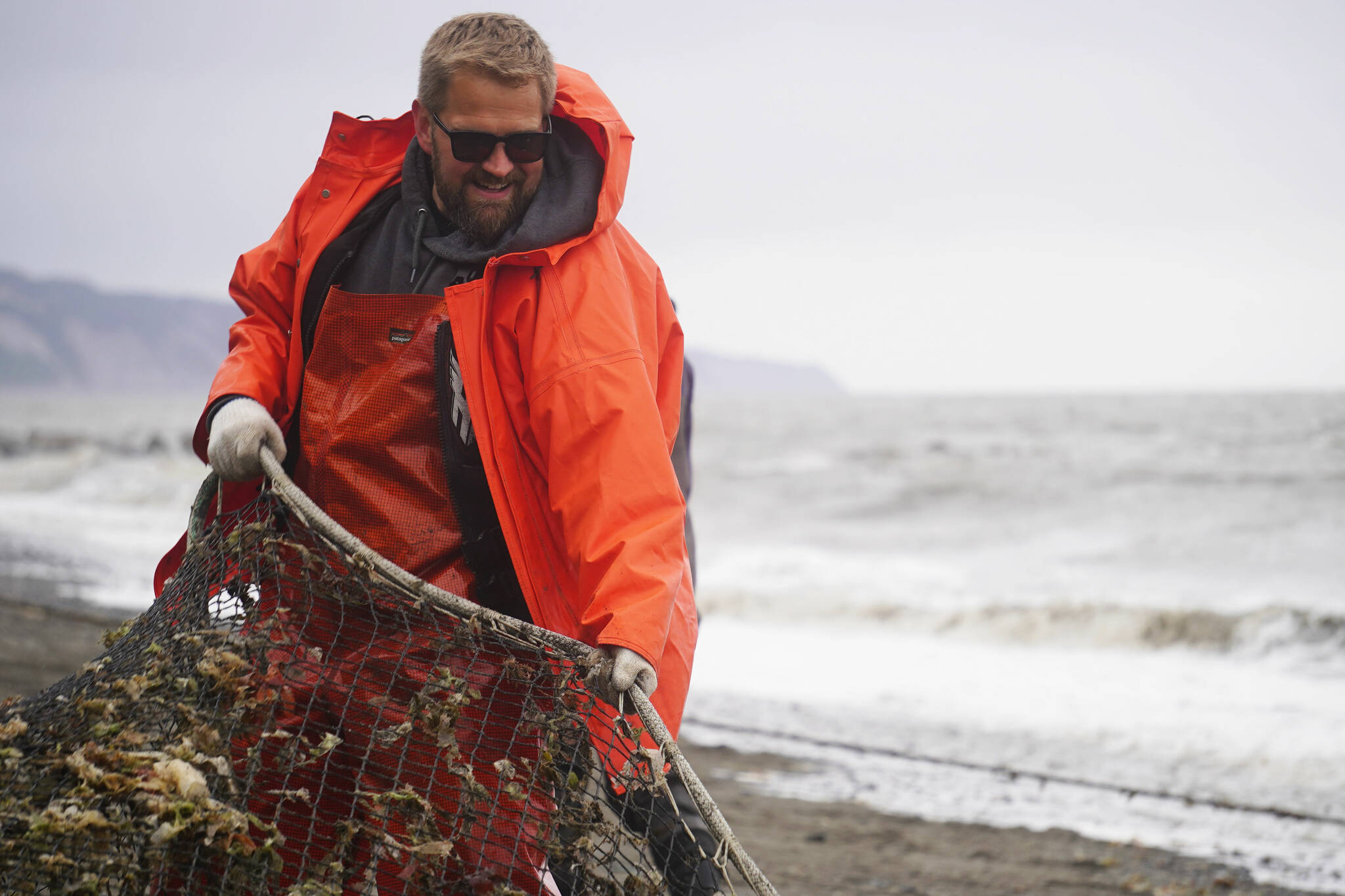
After the State Board of Fisheries in March said that they didn’t have enough data to approve experimental beach seines for use in the east side setnet fishery, local fishers are deploying the net on more beaches and in more varied conditions to shore up their case.
Brian and Lisa Gabriel last summer first operated a test fishery for set beach seines — using a new kind of net in already existing setnet infrastructure to successfully harvest abundant sockeye salmon without killing any king salmon. Importantly, they also say they’re able to catch enough sockeye with the nets to be economically viable.
The ESSN has been entirely closed in recent years to protect Kenai River king salmon, which can be caught in gillnets while targeting sockeye salmon and which were in 2023 named a stock of management concern. Since last year, fishers in the area have been allowed to participate in a limited commercial dipnet fishery that several say cannot bring in enough fish to be economically viable.
Last year, per data presented to the board of fish, the seine test fishery saw 20,000 sockeye harvested across two permits and four fish sites. They successfully released 47 non-target fish — of which 16 were king salmon and only one was a large king greater than 34 inches of length that would be counted by the State Department of Fish and Game.
Despite that data, presented in March, members of the board said they wanted more proof that the seines could work. That’s what the Gabriels — and many other local setnetters — are trying to provide. Last week, on a setnet site owned and operated for decades by Brent Johnson and his family, the Gabriels deployed their seine under another special permit from the department.
The seine captures salmon by acting like a fence that loops an area of water and then pulls in the fish. That’s different from the gillnets traditionally used in the fishery, which are designed for salmon to swim through and become caught at the gills.
This year’s test fishery is a little different than the first outings last summer — primarily in that they can’t harvest any of the salmon they catch. While last year the group could recoup some costs by selling sockeye that they harvested on days when the ESSN was allowed to operate in a new limited dipnet fishery, this year they have to release every fish they catch after their monitor, Robert Begich, tallies each pull.
It’s possible to release every fish that’s captured alive and unharmed, Brian Gabriel said. They can pull in the seine, count what’s been caught, and then drop the net and watch every fish swim away.
That’s the same logic that leads the Gabriels to view the seines as a possible path forward for their fishery — every king salmon can be released alive.
In a few hours on Johnson’s beach near Clam Gulch, the fishers didn’t catch any fish. Still, Brian Gabriel said the day had been a complete success — they’d brought their net and deployed it in Johnson’s existing set-up, in rougher waters than they’re used to much farther south down the beach than they’d previously tested.
Only moments after packing up the seine net, Johnson was already thinking about how to iterate on the design and get back into the water. He said that moving the posts on the beach to which the net is attached could allow for smoother operation, as well as other modifications to help with identifying when the net is fully extended. There’s also room to experiment with a net that’s either lighter or heavier; hanging shallower or deeper.
“I would like to run some experiments with deeper and shallower seines,” Johnson said. “I just want to be part of the team. Even if we can’t do it on my beach, if it can be done on another beach, more power to them. Right now, all we have is little dipnets.”
Tests of the seine net will continue this summer on different beaches. The board of fish will not consider regulations for Upper Cook Inlet until 2027 — and the Gabriels say they plan to have a comprehensive set of data to bring in search of opportunity for their fishery.
Reach reporter Jake Dye at jacob.dye@peninsulaclarion.com.
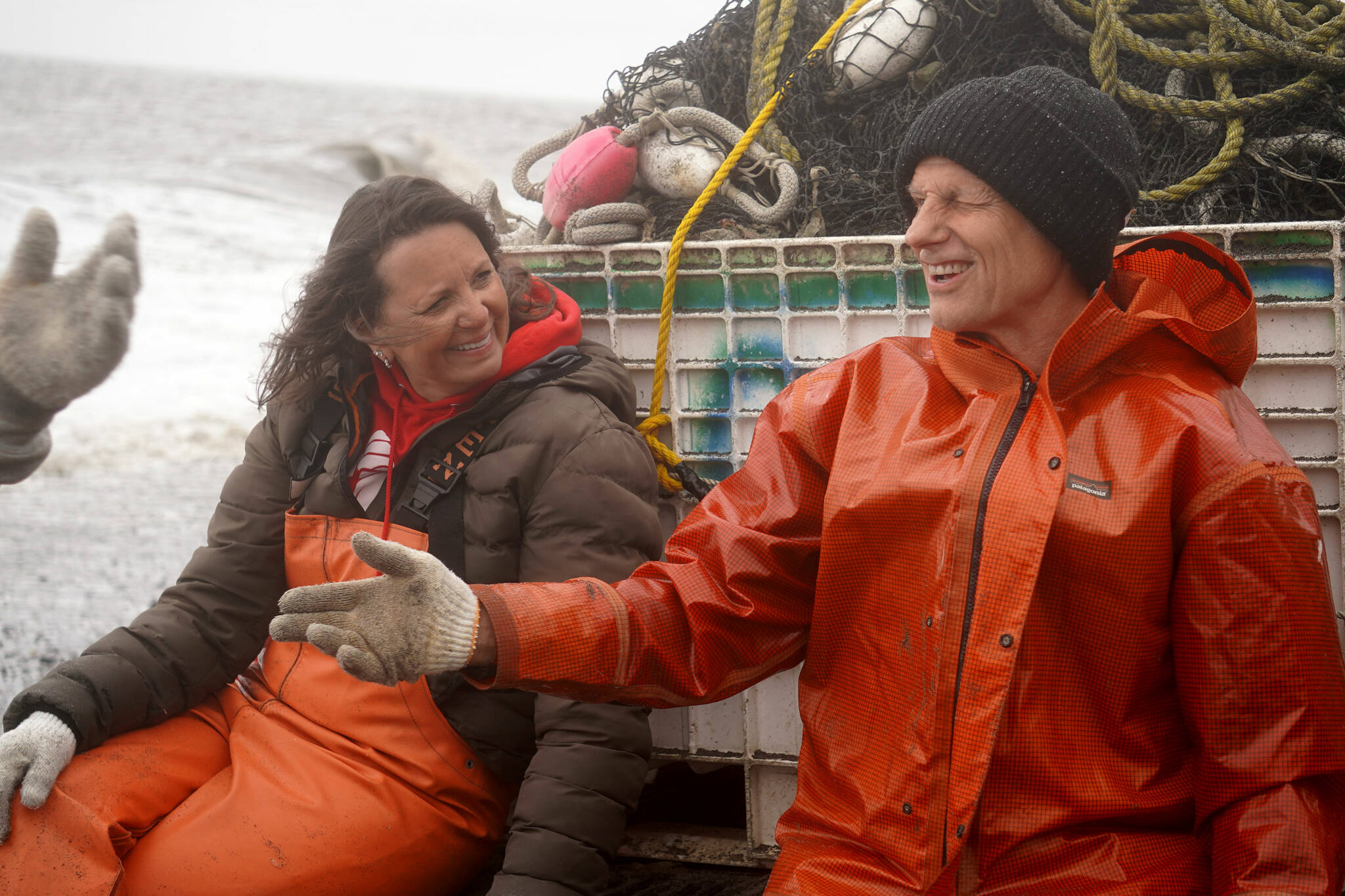
Lisa Gabriel and Brent Johnson chat during a test fishery for a set beach seine near Clam Gulch, Alaska, on Wednesday, July 9, 2025. (Jake Dye/Peninsula Clarion)
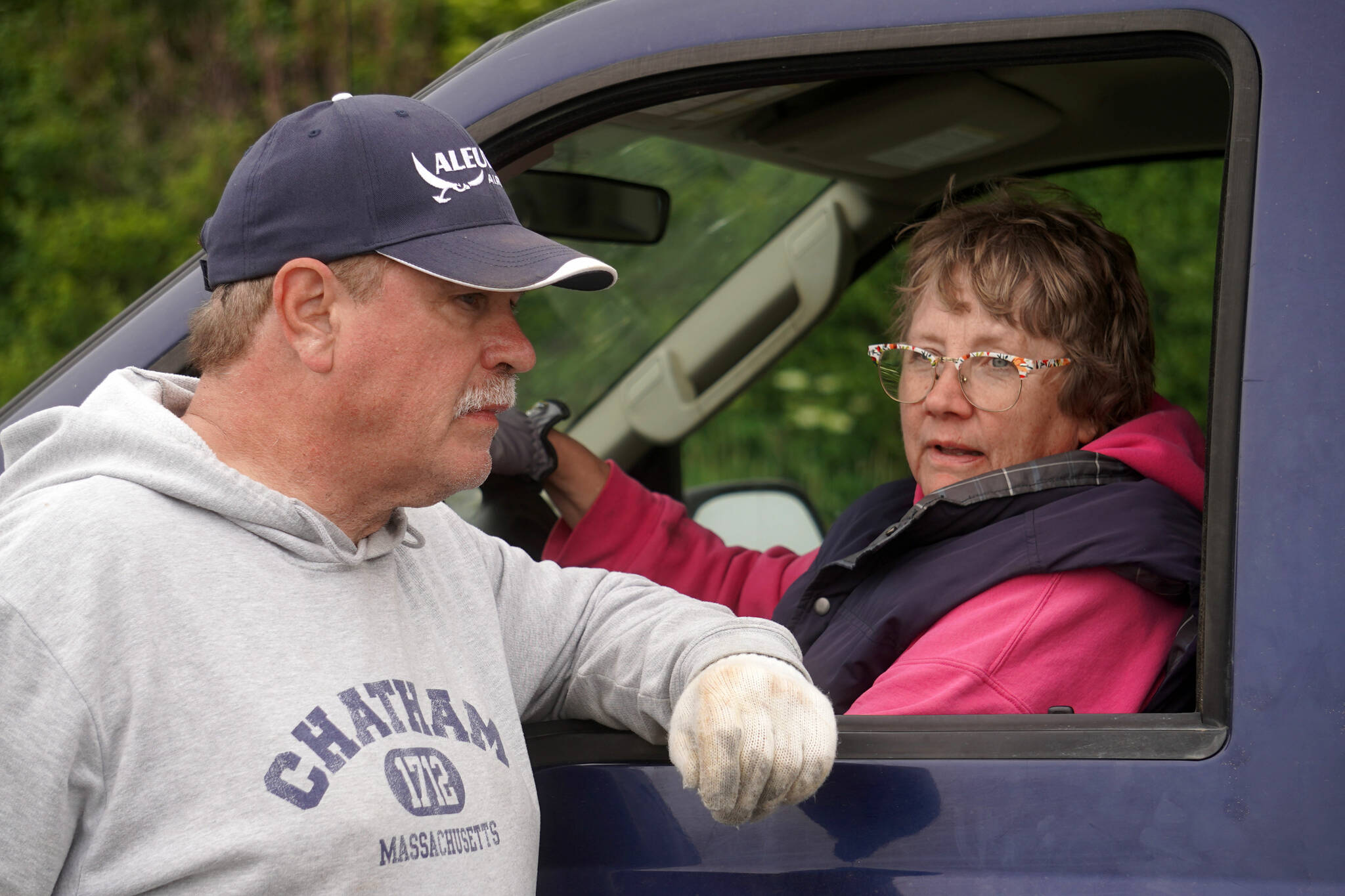
Brian Gabriel and Judy Johnson chat during a test fishery for a set beach seine near Clam Gulch, Alaska, on Wednesday, July 9, 2025. (Jake Dye/Peninsula Clarion)
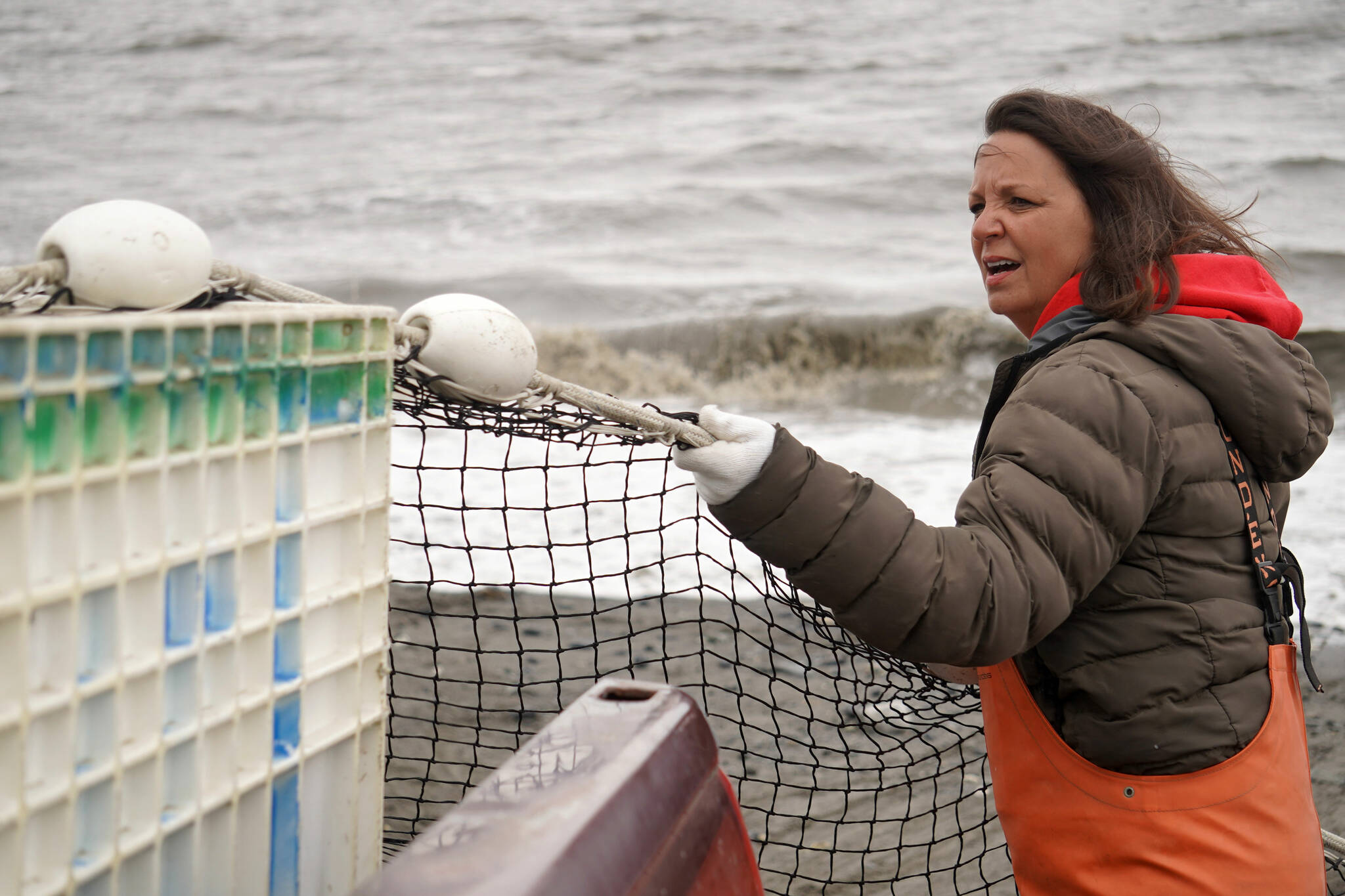
Lisa Gabriel unfurls a set beach seine during a test fishery for the gear near Clam Gulch, Alaska, on Wednesday, July 9, 2025. (Jake Dye/Peninsula Clarion)
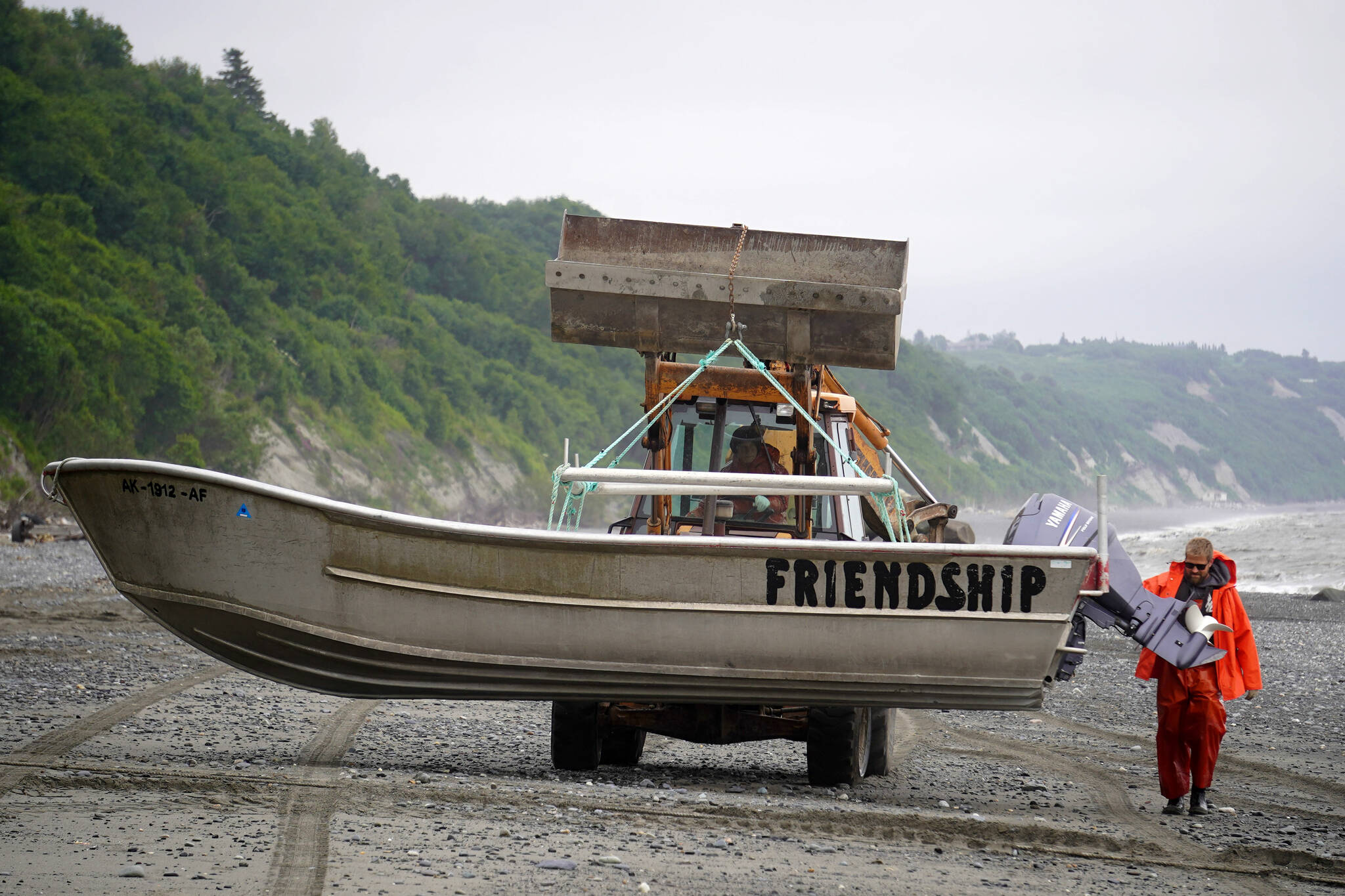
Brent Johnson carries his drift boat up the beach during a test fishery for set beach seines near Clam Gulch, Alaska, on Wednesday, July 9, 2025. (Jake Dye/Peninsula Clarion)

Fishers pull a set beach seine during a test fishery for the gear near Clam Gulch, Alaska, on Wednesday, July 9, 2025. (Jake Dye/Peninsula Clarion)
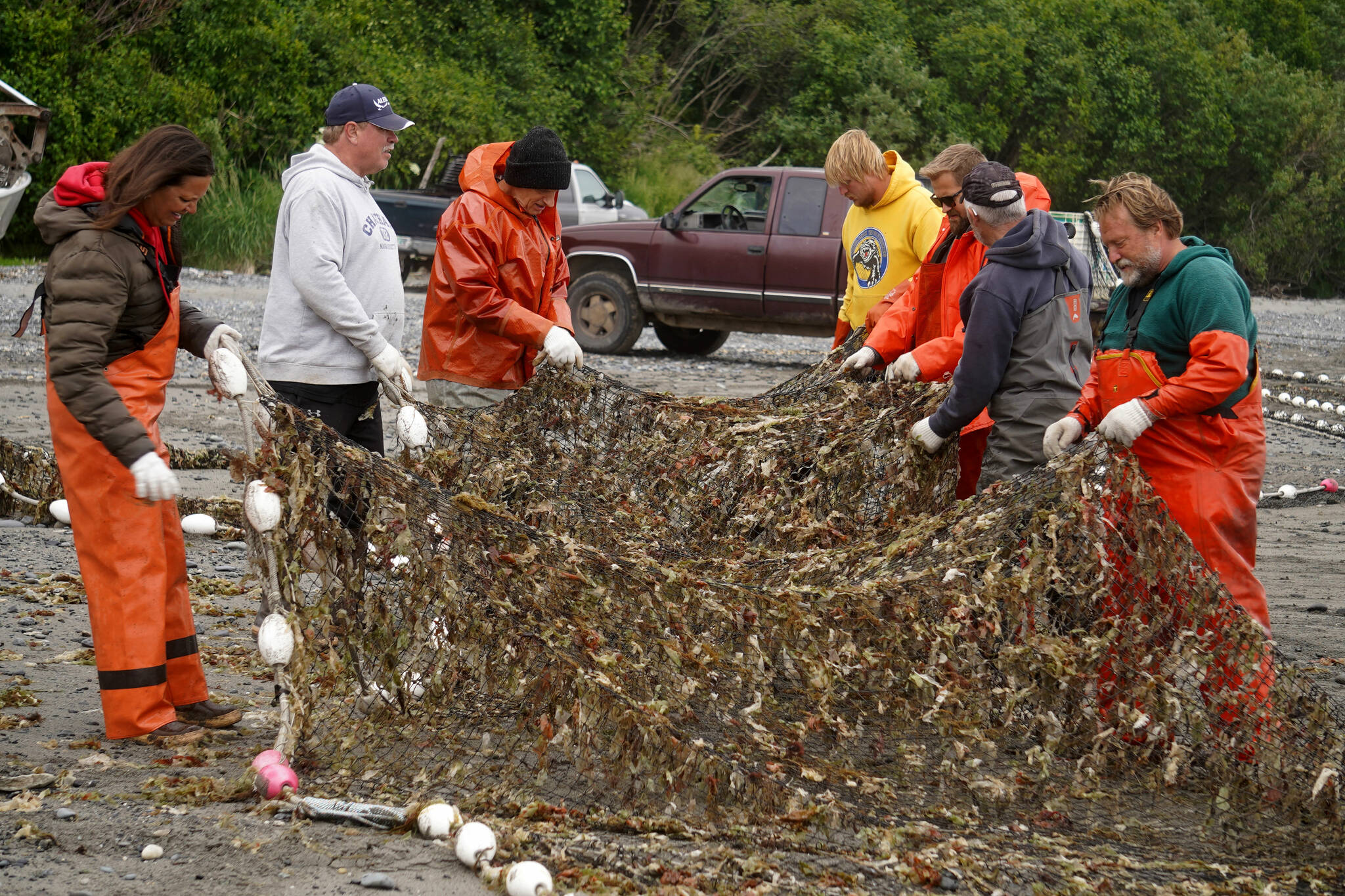
Fishers pluck seaweed from a set beach seine during a test fishery for the gear near Clam Gulch, Alaska, on Wednesday, July 9, 2025. (Jake Dye/Peninsula Clarion)
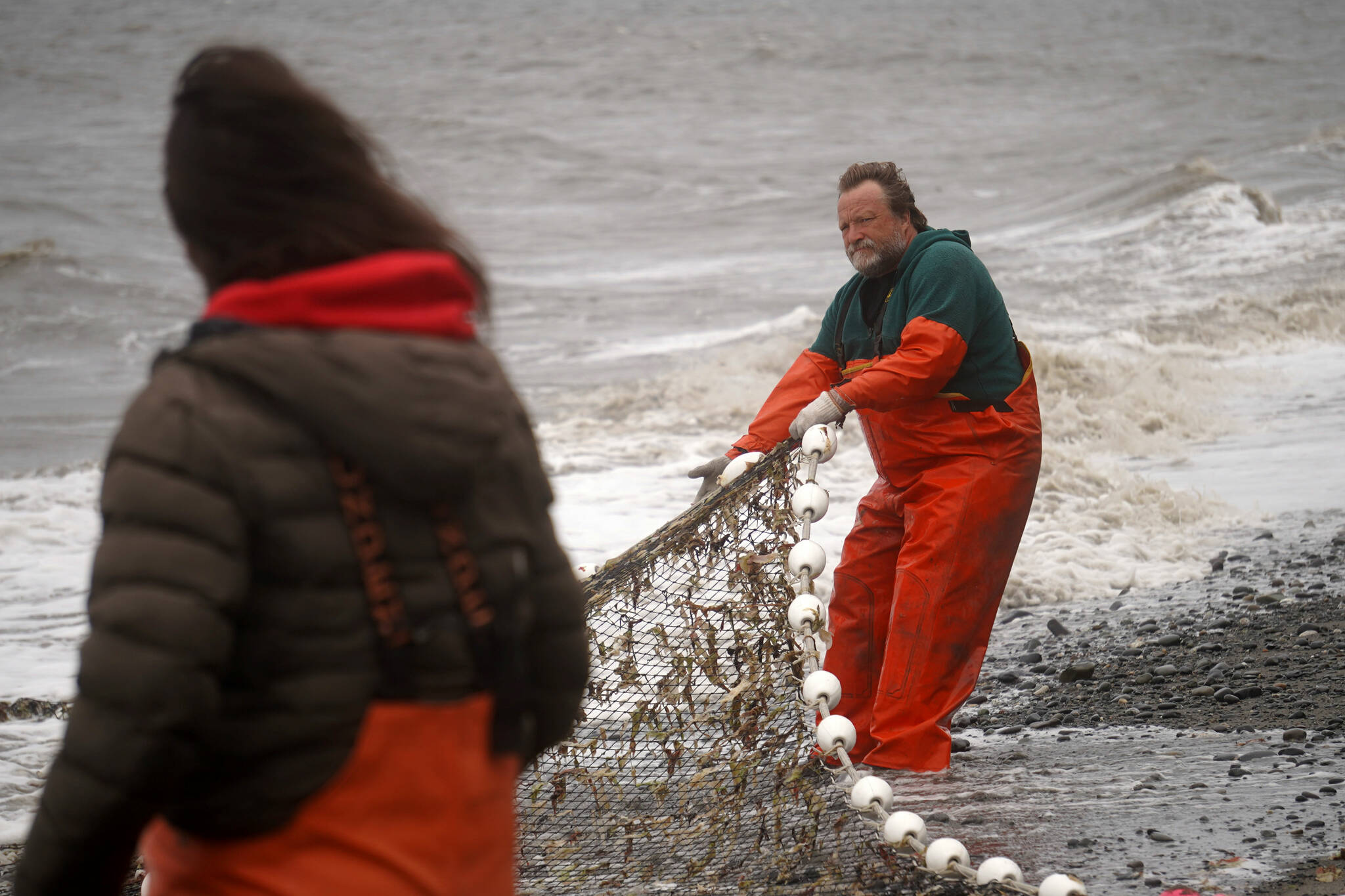
Fishers pull a set beach seine during a test fishery for the gear near Clam Gulch, Alaska, on Wednesday, July 9, 2025. (Jake Dye/Peninsula Clarion)
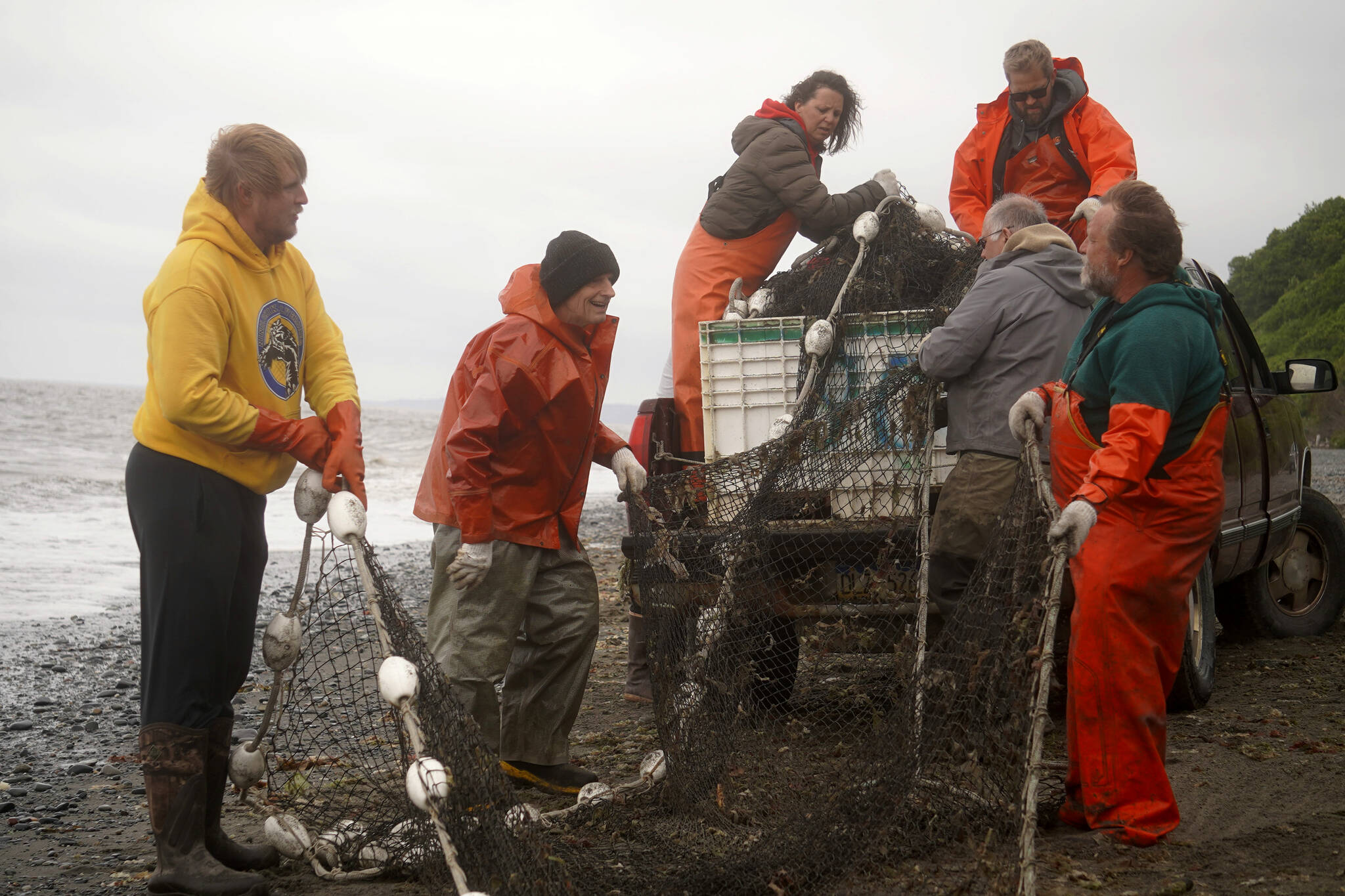
A group of fishers pack away a set beach seine during a test fishery for the gear near Clam Gulch, Alaska, on Wednesday, July 9, 2025. (Jake Dye/Peninsula Clarion)
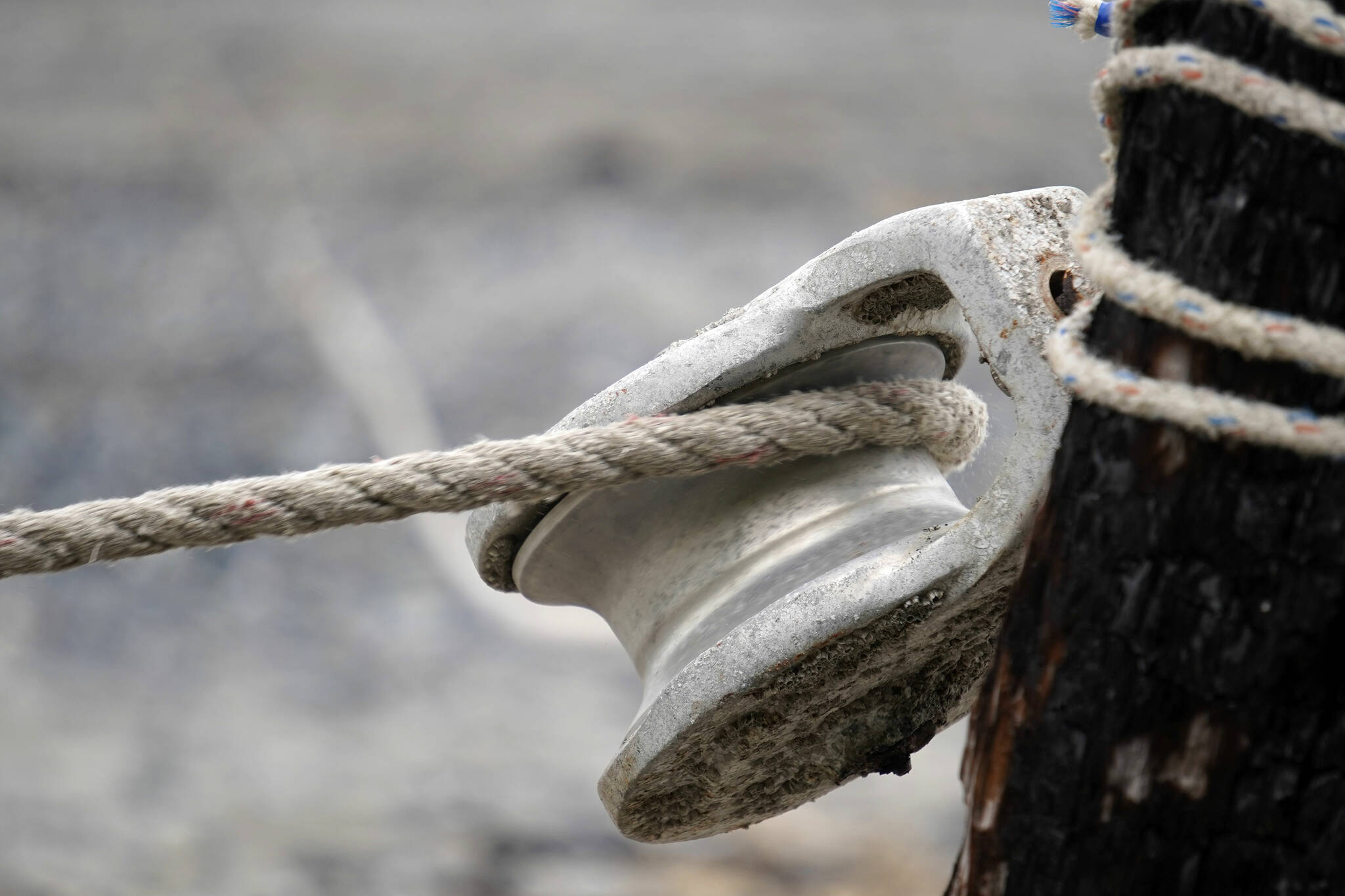
Rope moves through a pulley at a beach site near Clam Gulch, Alaska, where a set beach seine is tested on Wednesday, July 9, 2025. (Jake Dye/Peninsula Clarion)
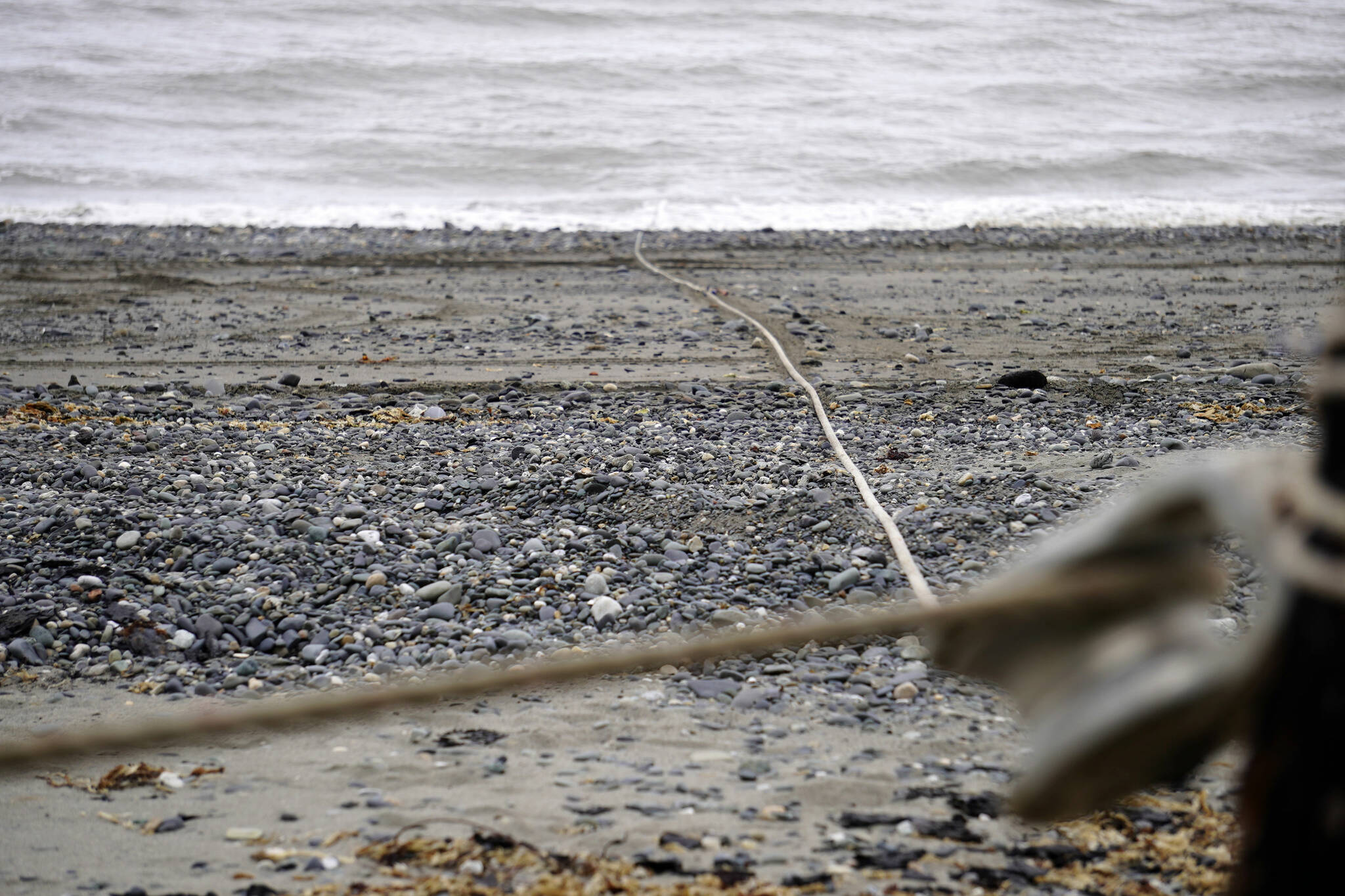
Rope moves through a pulley at a beach site near Clam Gulch, Alaska, where a set beach seine is tested on Wednesday, July 9, 2025. (Jake Dye/Peninsula Clarion)
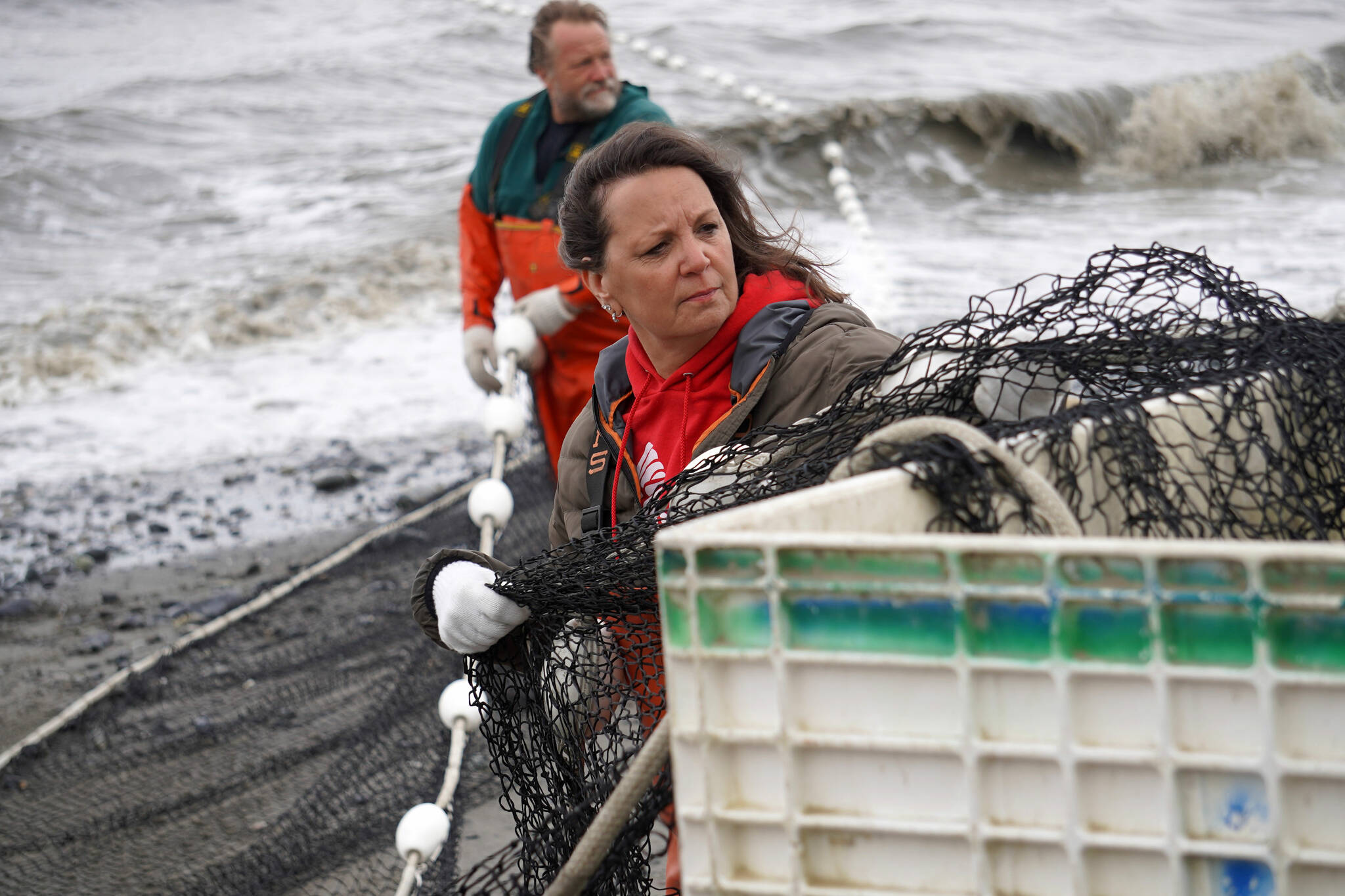
Rope moves through a pulley at a beach site near Clam Gulch, Alaska, where a set beach seine is tested on Wednesday, July 9, 2025. (Jake Dye/Peninsula Clarion)
