
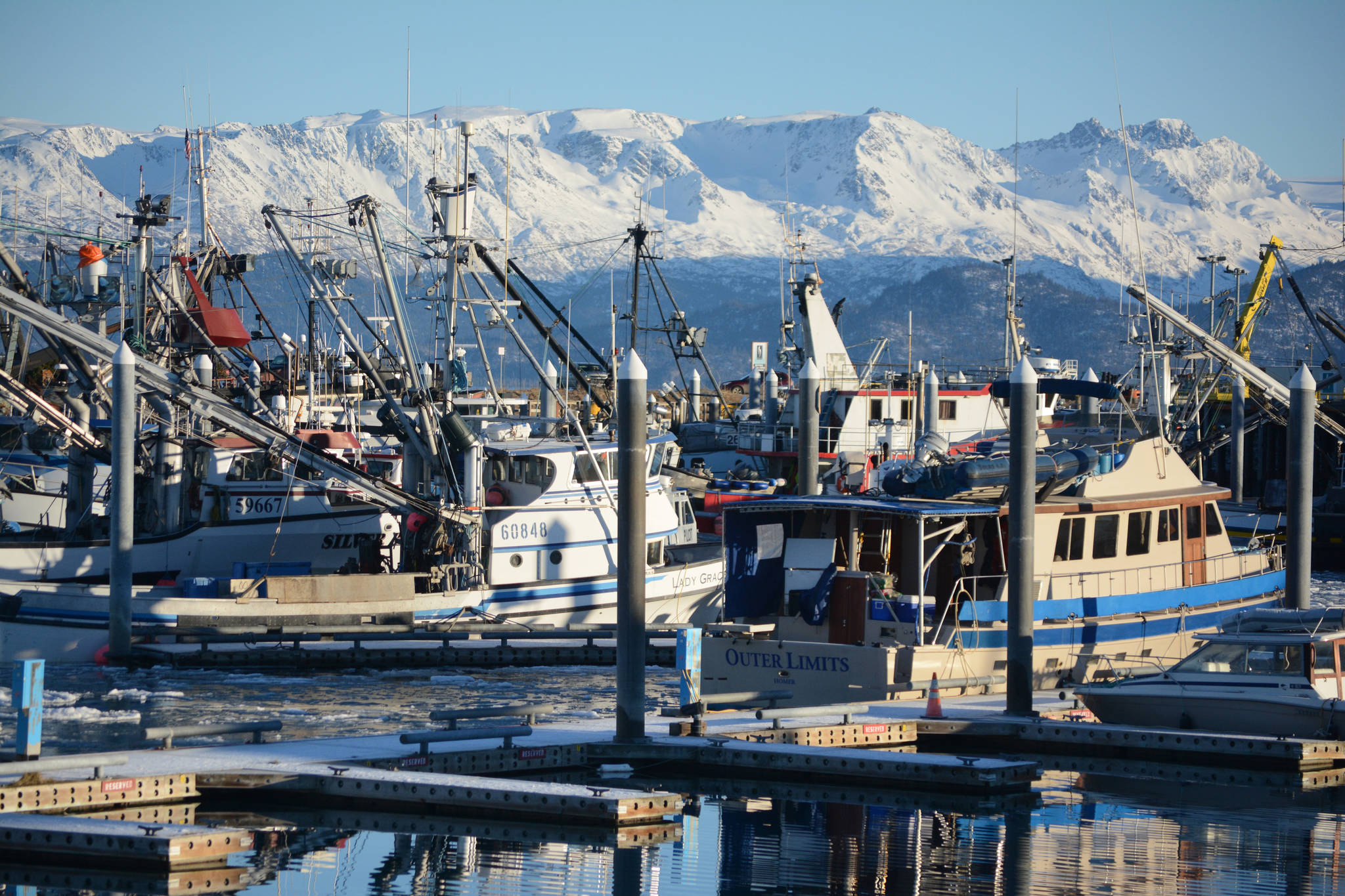
The issue of bycatch by the trawl fleet in the Bering Sea and Gulf of Alaska has been picking up steam and getting attention at the highest level of state government, with Gov. Mike Dunleavy readying a task force to study the issue while people on both sides of the issue trade volleys in the opinion pages.
The trawl fishery is managed by the North Pacific Fisheries Management Council. There are 15 members, 11 voting and four non-voting, with seven of the voting members appointed by the secretary of commerce, head of NOAA Fisheries, based on recommendations from the governors of Alaska and Washington.
Critics contend that the appointments are highly political, with seats going to people who contribute heavily to the governors from those states, heavily weighted toward the trawl fleet with deep pockets.
People with deep ties to the trawl industry, including council member and former Chair Stephanie Madsen, who is also executive director of the At-Sea Processor’s Association, counter that the trawl fleet has reduced bycatch of Chinook salmon by 89% since 2010, and that on-board sampling shows that the vast majority of chum salmon, another species that has had disastrous returns in Western Alaska in recent years, are from hatcheries outside the U.S.
In a recent opinion piece in the Anchorage Daily News, Madsen said, “All fisheries encounter non-target species. Our fleet goes to great lengths to target pollock and avoid other marine life. As a result of these efforts, more than 98% of what our vessels catch is pollock.”
However, while pollock is the largest fishery in the state in terms of poundage, it’s not the only trawl fishery with bycatch issues.
The Pacific cod fishery, as well as yellowfin sole and other trawl fisheries, have been able to exceed their bycatch quotas of halibut, black cod and crab by as much as 500% for several years.
The system needs to change, according to former council member and fisherman Buck Laukitis.
“It’s 10 times worse than what’s reported, when you actually see it, when you actually see tote after tote after tote of black cod on the back of trawlers being taken to sea to be dumped overboard. It’s disgusting.
“How can you be 500% over your quota and still be fishing?” he asked.
He said that the public has lost trust in the council and the state administration who is appointing people to the council.
Laukitis said that Dunleavy forming a bycatch task force is good in theory, but it’s only as good as who he appoints.
He added that Dunleavy got elected partly on the promise to shut down the commercial Upper Cook Inlet salmon fishery, but neglected to realize that the main people behind that push, campaign contributors like Bob Penny, also had ties to the trawl industry.
“I think the governor realizes that he’s blown it on this issue,” Laukitis said.
Laukitis said that Dunleavy failed to understand who is on the “home team,” the smaller boat fleet that harvests higher-dollar product like halibut, crab, salmon and black cod.
Fisheries activist Hannah Heimbuch agreed.
“I appreciate the Governor’s willingness to take a closer look at bycatch issues, and how to build long-term solutions for them,” she said via email.
“A task force certainly has the potential to open the conversation further, especially if we create a clear pathway to get from input to action. However, as an observer of our fisheries management system and as a commercial fisherman myself, I hope that this new conversation through the task force doesn’t delay action on the absolutely critical issues already very clearly identified by Alaska’s fisheries stakeholders.
“Moving critical bycatch species, like halibut, from static to abundance-based caps. Designing management mechanisms to prevent millions of pounds of annual overages in incidental catch — like we’re seeing in sablefish or Pacific cod. Assessing and mitigating unobserved crab mortality, a persistent request from the crab fleet, which is in the midst of a major stock crash.
“These are issues we have been discussing for years in the policy-making process, which we have an existing policy pathway to address, around which there is no shortage of diverse public input. I hope as we take up a discussion on the task force about long-term solutions, we don’t hesitate to address what’s already on the table.”
Cristy Fry can be reached at realist468@gmail.com.
