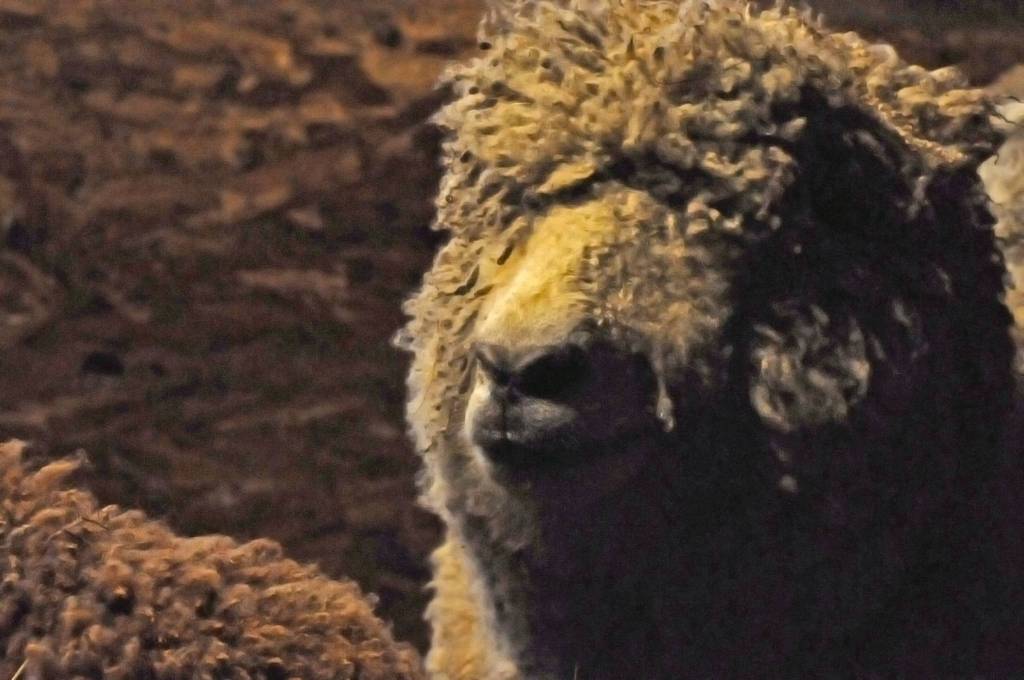
A sheep waits in the barn at Lancashire Farm on Thursday, May 3, 2018 in Soldotna, Alaska. The farm, established in 1948, raises sheep both for wool and for meat. (Photo by Elizabeth Earl/Peninsula Clarion)

A sheep waits in the barn at Lancashire Farm on Thursday, May 3, 2018 in Soldotna, Alaska. The farm, established in 1948, raises sheep both for wool and for meat. (Photo by Elizabeth Earl/Peninsula Clarion)

Interest in farm-raised meat grows

For those who want farm-raised meat, it can be a challenge to get unless they happen to own enough property for a pasture or barn. However, some local farmers offer a middle ground between raising animals in the back yard and buying meat off the shelf.

Every spring for the past three years, Sam Jones with the Soldotna Equestrian Association has ridden the ferry with a number of Highlander-cross steers from Kodiak back to the Kenai Peninsula. All summer, the cattle live in a paddock near the rodeo grounds in Soldotna, participating in five rodeos.

In the fall, they go to the person who prepaid for the animal in the spring. This year, they’re $950 per head, with the option of splitting them between multiple people. That’s at-cost, Jones said, with the funds going to support SEA.

“When I started it three years ago, people were like, ‘We have a rodeo ground?’” she said. “Nobody really knew about it.”

A type of herdsharing, the operation allows people who don’t have the space to raise animals themselves to reserve locally sourced meat and know they’ll have it in the fall. Jones said the cows will likely be 400–500 pounds.

A number of farms offer similar reservation programs. Kenai Feed owner Sarah Donchi, who has been raising livestock on the peninsula for two decades, said the business sells about two dozen pigs, a dozen cows and 800 chickens each year as well as 300 wiener pigs for people to raise on their own.

“We have new people show up every year,” he said. “A lot of people will hear about it in the store, and a lot of it’s word of mouth, too.”

They either deliver the animal to a processor like Tustumena Smokehouse in Kasilof or allow customers to process the animal themselves, she said. They start taking reservations for animals in January and usually sell out, so they plan for a few extra, she said.

It’s the same for Lancashire Farms’ sheep. Every year, the farm’s pregnant ewes have lambs in the spring, and some go to buyers in the fall. This year, the farm has nine lambs, seven of which are males. The males may go to buyers for meat in the fall unless the farm decides to hang onto them for their wool, said farm co-owner Amy Seitz.

The farm has a limited number of sheep, so she has a waiting list for people to reserve animals, she said. They don’t provide to restaurants at present, in part because the restaurants need a steady supply.

“We have a lot of 4-H kids coming,” she said.

Tuesday marked Alaska Agriculture Day, as declared by Gov. Bill Walker, with farms and schools around the state discussing and visiting farms. Interest in locally grown meat and produce in Alaska has grown rapidly in the last few years. A U.S. Department of Agriculture overview for the state from 2017 documented 760 farms in the state with a total of 830,000 acres in operation. That’s slightly down from 2012, when there were 762 farms operating, but up from 2007, when there were 686, according to the USDA.

Alaska is still dead last in the country for agriculture by value of sales by commodity, according to the USDA. The number of farms on the Kenai Peninsula is on the rise, too, after a dip in the 1990s and is current above where it was in the 1980s, according to the USDA.

Reach Elizabeth Earl at eearl@peninsulaclarion.com.

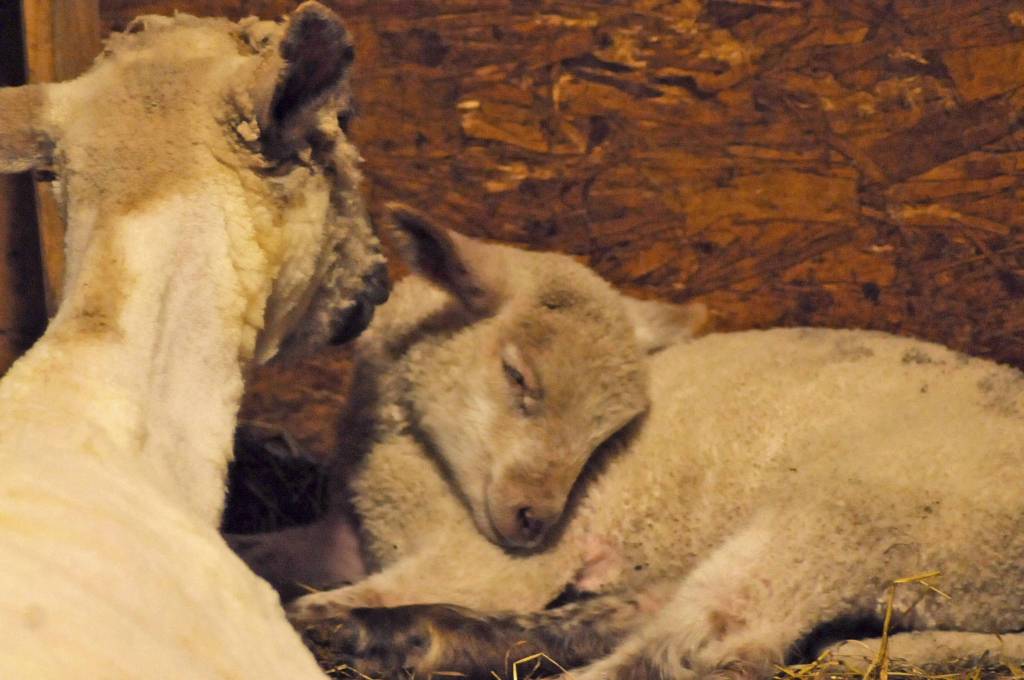
A lamb dozes in the barn at Lancashire Farm on Thursday, May 3, 2018 in Soldotna, Alaska. The farm, established in 1948, raises sheep both for wool and for meat. (Photo by Elizabeth Earl/Peninsula Clarion)

A lamb dozes in the barn at Lancashire Farm on Thursday, May 3, 2018 in Soldotna, Alaska. The farm, established in 1948, raises sheep both for wool and for meat. (Photo by Elizabeth Earl/Peninsula Clarion)

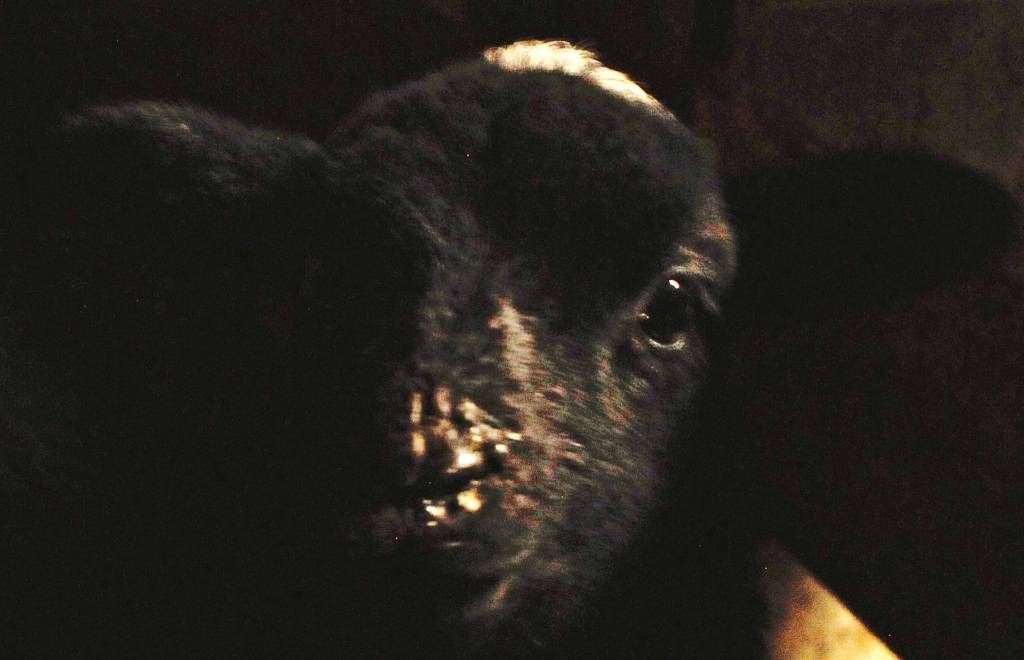
A curious lamb waits in the barn at Lancashire Farm on Thursday, May 3, 2018 in Soldotna, Alaska. The farm, established in 1948, raises sheep both for wool and for meat. (Photo by Elizabeth Earl/Peninsula Clarion)

A curious lamb waits in the barn at Lancashire Farm on Thursday, May 3, 2018 in Soldotna, Alaska. The farm, established in 1948, raises sheep both for wool and for meat. (Photo by Elizabeth Earl/Peninsula Clarion)

More in News

A snowmachine rider takes advantage of 2 feet of fresh snow on a field down Murwood Avenue in Soldotna, Alaska, on Monday, Dec. 12, 2022. (Jake Dye/Peninsula Clarion)
Ice fishing opens on some Kenai National Wildlife Refuge lakes

Snowmachines are permitted for ice fishing access on Hidden, Kelly, Petersen, Engineer and Watson lakes.

The waters of Cook Inlet lap against Nikishka Beach in Nikiski, Alaska, where several local fish sites are located, on Friday, March 24, 2023. (Jake Dye/Peninsula Clarion)
Kenai asks for fishery economic disaster declaration

The Kenai City Council requested that Gov. Dunleavy declare a disaster and support a recovery plan for the Upper Cook Inlet East Side Set Net fishery.

The Kenai Peninsula Borough School District logo. (Photo courtesy of Kenai Peninsula Borough School District)
District superintendent dispels rumors about student construction

Superintendent Clayton Holland said student involvement in Seward High School construction is “based on rumor, not fact.”

Anchorage-based singer and songwriter Keeley Boyle is pictured in Anchorage<ins>, Alaska,</ins> on Sept. 26, 2023. Boyle, who was raised on the Kenai Peninsula, will use a $10,000 grant she received from the Rasmuson Foundation to create an album of songs about her grandparents’ home in Nikiski. Photo courtesy of Jovell Rennie
Musician hailing from Kenai receives Rasmuson grant

Keeley Boyle will record an album of songs about her grandparents’ Nikiski home.

Commercial fishing and recreational vessels are docked in the Homer harbor on Oct. 23, 2025. The commercial fishing industry endured a series of challenges over the year, some of them imposed by the new Trump administration. (Photo by Yereth Rosen/Alaska Beacon)
Alaska fisheries in 2025: turmoil, economic and environmental challenges and some bright spots

NOAA cuts, economic headwinds and invasive species pose problems, but there was some recovery in crab stocks and salmon harvests.

Cook Inlet near Clam Gulch is seen on Oct. 23, 2025. (Photo by Yereth Rosen/Alaska Beacon)
Disputed oil lease sale in Alaska’s Cook Inlet upheld in new Trump administration decision

After completing a court-ordered environmental study, the Bureau of Ocean Energy Management said no changes are needed for the 2022 sale that drew just one bid.

The Kenai Peninsula Borough School District logo.
School district projects $7.5 million budget deficit for fiscal year 2027

Decreased enrollment and increased property values mean less local and state funding.

The sign in front of the Homer Electric Association building in Kenai, Alaska as seen on April 1, 2020. (Photo by Brian Mazurek/Peninsula Clarion)
Homer Electric Association announces rate increase

The proposed increase, if approved by the Regulatory Commission of Alaska, will go into effect Jan. 1.

A photo of Anesha “Duffy” Murnane, missing since Oct. 17, 2019, in Homer, Alaska. (Photo provided, Homer Police Department)
Calderwood pretrial hearing rescheduled

The omnibus hearing for Kirby Calderwood was continued to Jan. 21. Trial week is currently scheduled for Feb. 17, barring finalization of a plea agreement.

Most Read