Fishing charters ask for modified regulations during COVID-19 pandemic
Published 1:30 am Wednesday, May 13, 2020
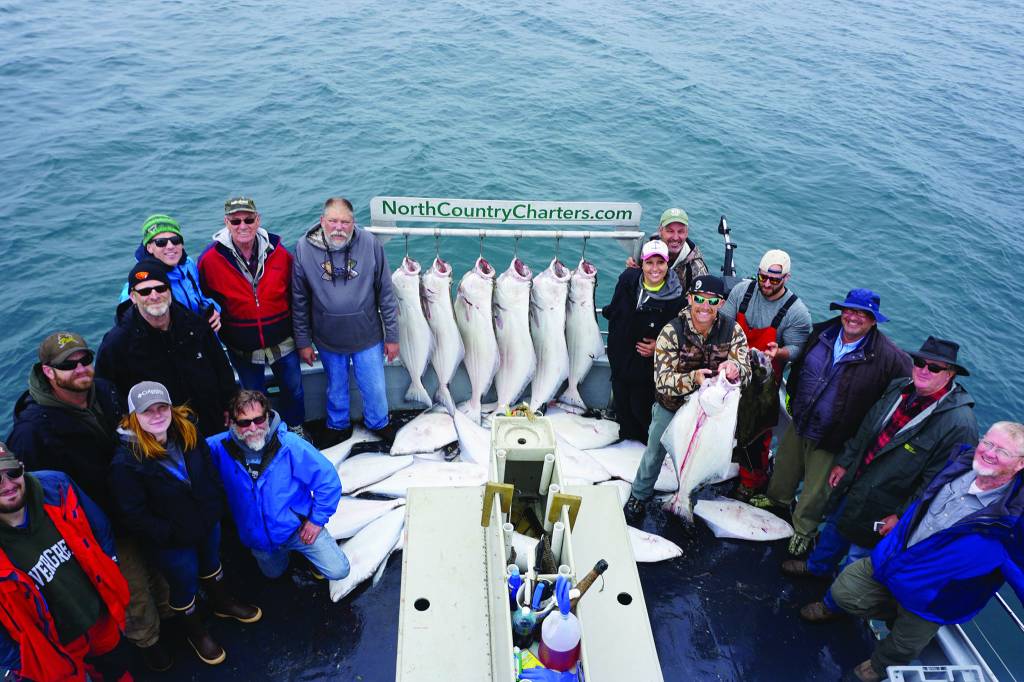
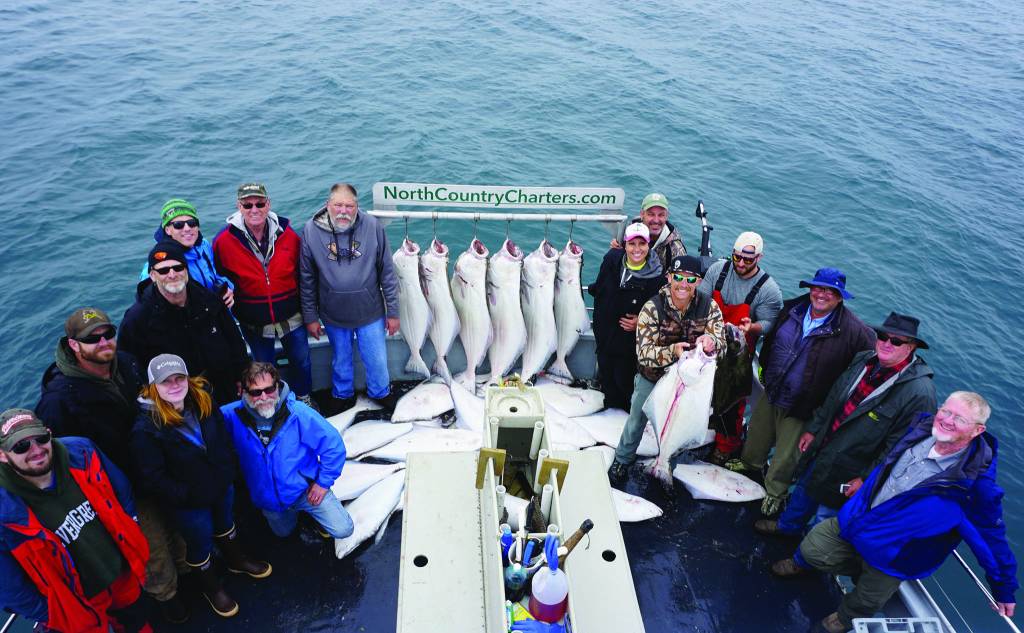


With their regular stream of out-of-state tourists significantly dried up, fishing charter operations are looking to lure Alaskans back onto their boats in hopes of salvaging their season.
Fishing charters are currently allowed to operate at 50% capacity if they take aboard people from different households, and they can fill their boats to the maximum capacity if the entire party lives together. That’s according to the updated health mandates set by the state for phase two of Gov. Mike Dunleavy’s plan to reopen the Alaska economy. With some of the lowest numbers per capita of the COVID-19 disease in the country, Alaska is reopening a little earlier than most states.
Still, strict health and safety requirements paired with the state’s mandatory 14-day self quarantine for anyone visiting Alaska are going to make filling charter boats difficult, according to Ben Martin, president of the Homer Charter Association. So difficult in fact, that Martin has canceled all his online bookings until June. He just wants to wait and see what things will be like later in the summer.
Martin said the safety and sanitation requirements set out in state health mandates are easier for some boats, and maybe a bit harder for others, but overall are mostly doable. Cleaning is pretty easy and captains regularly clean their vessels anyway, he said. Now they’ll just have to do it while out fishing.
One guideline for charters stipulates that passengers and crews should avoid passing fishing rods back and forth, and Martin said that one may be more difficult depending on the layout of the vessel. Keeping at least 6 feet between crew and passengers, and between people who aren’t from the same household, is also easier said than done on the smaller boats, Martin said.
“The social distancing thing is pretty difficult,” he said. “All the boats are pretty different.”
Right now, Martin is only taking “closed” groups, or people who all live together.
While Martin’s online booking is closed, he said people can call them and he decides whether it’s worth the trip after a discussion with them. At this point, he hasn’t found it worth it to take groups where not everyone lives under the same roof.
The last group he took was three people from Eagle River who all lived together. For them, passing rods back and forth wasn’t a problem.
In order to avoid the added burden of some of the social distancing requirements, Martin said he’s just not taking as many people aboard.
“And that means I have to raise my rates a little bit,” he said.
While the safety and cleanliness requirements in the state health mandate can be worked through, Martin said there’s a bigger issue threatening the local charter fishing season.
“The one thing that’s really tough is the 14-day quarantine for people who are coming in,” he said.
This essentially cuts off Alaska’s charter fishing industry to its regular customer base of tourists, unless they have a lengthy trip of longer than two weeks planned. Even then, Martin said he’s not sure who would want to spend two weeks sitting in an Anchorage hotel before they could go fishing.
To address this, charter fishermen are hoping to alter some of the management regulations for their season in order to entice Alaska residents to get out on the water more than they usually do.
The North Pacific Fishery Management Council is holding a special meeting Friday to consider requests to modify individual fishing quota (IFQ) provisions for halibut and sablefish and to tweak some management measures for halibut charters in areas 2C (Southeast) and 3A (Southcentral).
In area 2C, the proposal is to increase the size of halibut allowed to be caught from 40 inches or less to 45 inches or less. This change would only be put in place when the state lifts its 14-day quarantine requirement. The proposal for area 3A is to have a two-fish bag limit with no size restrictions on either halibut, to eliminate the annual limit and to allow fishing on all days of the week with no off-limit days. The proposal for 3A would go into effect upon final approval, but only last until the travel restrictions are lifted by the state. Then, the rules for 3A would revert back to what they were before.
These changes are being asked for by charter fishing stakeholders. Martin said they’re being requested in order to incentivize Alaska residents to book charters this summer in order to make up for lost business. Outside tourists make up about 90% of local charter business, Martin said. In recent years it just hasn’t been worth it for residents, he said.
Another proposal being made to the North Pacific Fishery Management Council is that there be a mechanism established to roll over any unused 2020 charter allocation in areas 2C and 3A to supplement 2021 catch limits.
According to documents for the North Pacific Fishery Management Council meeting, the International Pacific Halibut Commission recommended at their 2020 meeting that the combined catch limit for the commercial and charter halibut fisheries to be about 9 million pounds for area 3A. The charter fishery was allocated about 1.7 million pounds of that, according to the meeting document.
Martin said the changes in fishery management are being requested in part because stakeholders are not worried about going over that number.
“We feel like we’re not going to come even close to our allocation,” he said.
Martin said some of the requests in the proposals are set to sunset as soon at the state lifts its travel restrictions in order to make sure the charter fishing fleet does not go over its allocation. If travel and tourism go a little more back to normal, Martin said, charters need to go back to the status quo regulations. If things are too liberalized, that’s when they risk going over their allocation, he said.
Members of the Homer City Council at its meeting on Monday voted to pass a resolution supporting the changes being proposed to the North Pacific Fishery Management Council.
“We went from 50% Alaska resident clientele, and then once we had these very restrictive regulations, that 50% Alaska resident kind of dropped down,” Martin told the city council during the Monday meeting.
He told the council that the measures have support within the Alaska Department of Fish and Game.
If the North Pacific Fishery Management Council approves the requests of the charter fishing industry, the proposals would then go to the International Pacific Halibut Commission for approval.
Reach Megan Pacer at mpacer@homernews.com.