Cook Inletkeeper program promotes community engagement
Published 4:30 am Thursday, November 13, 2025

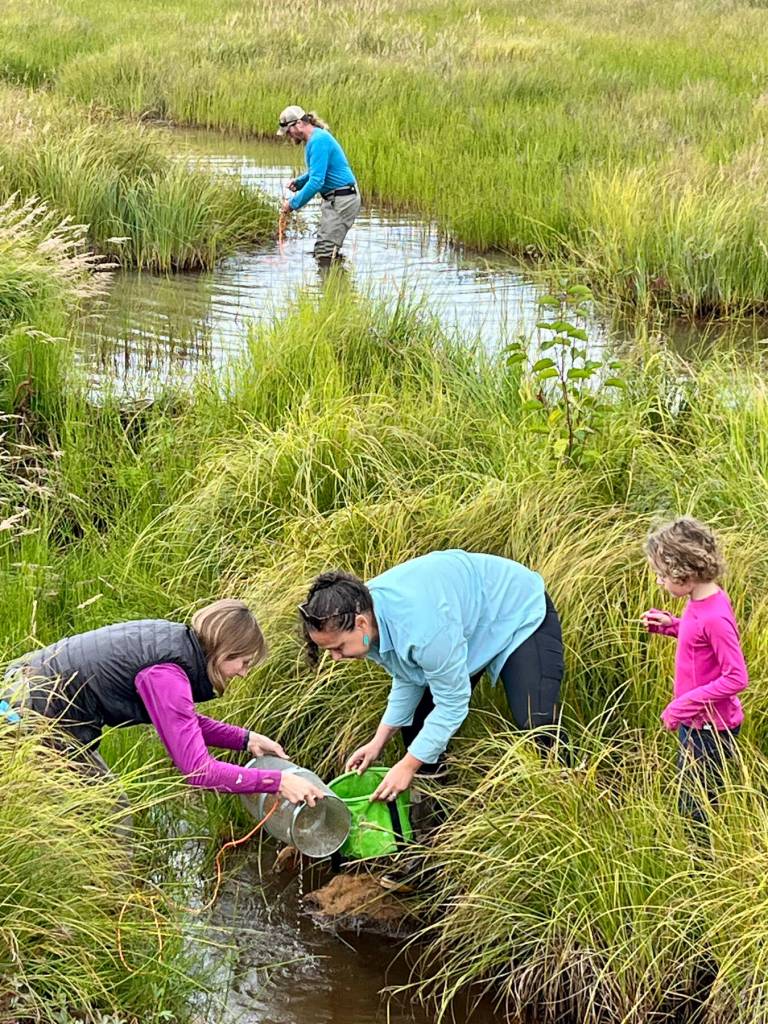
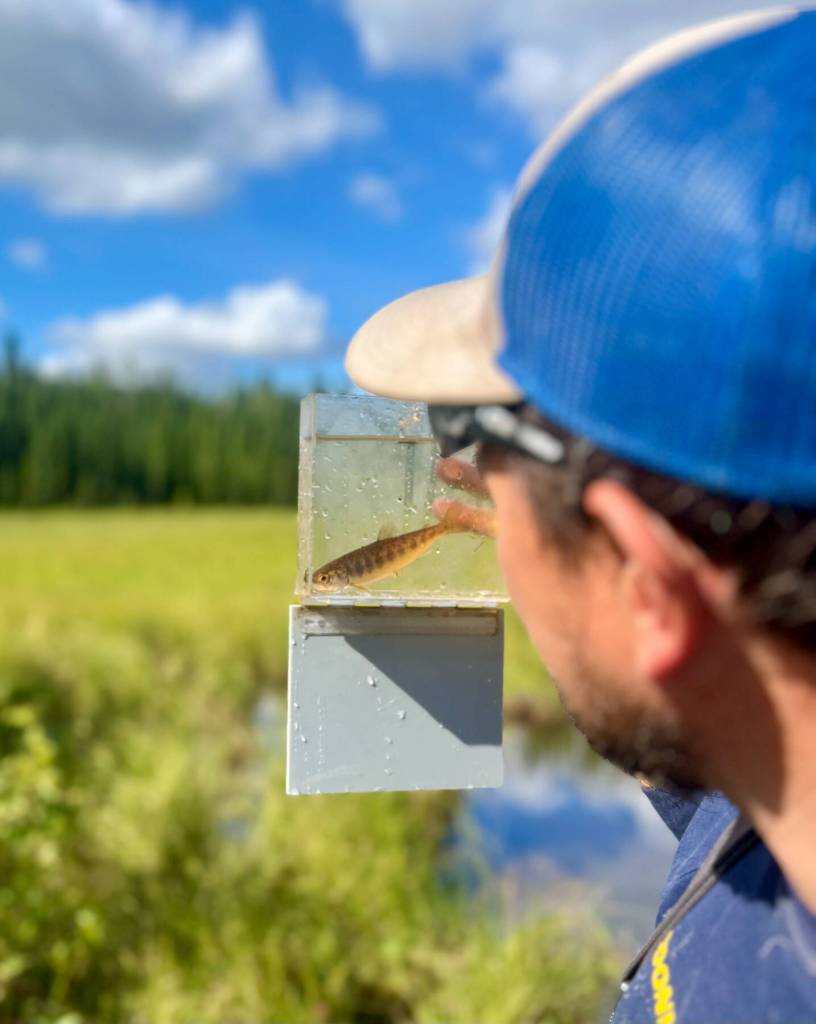
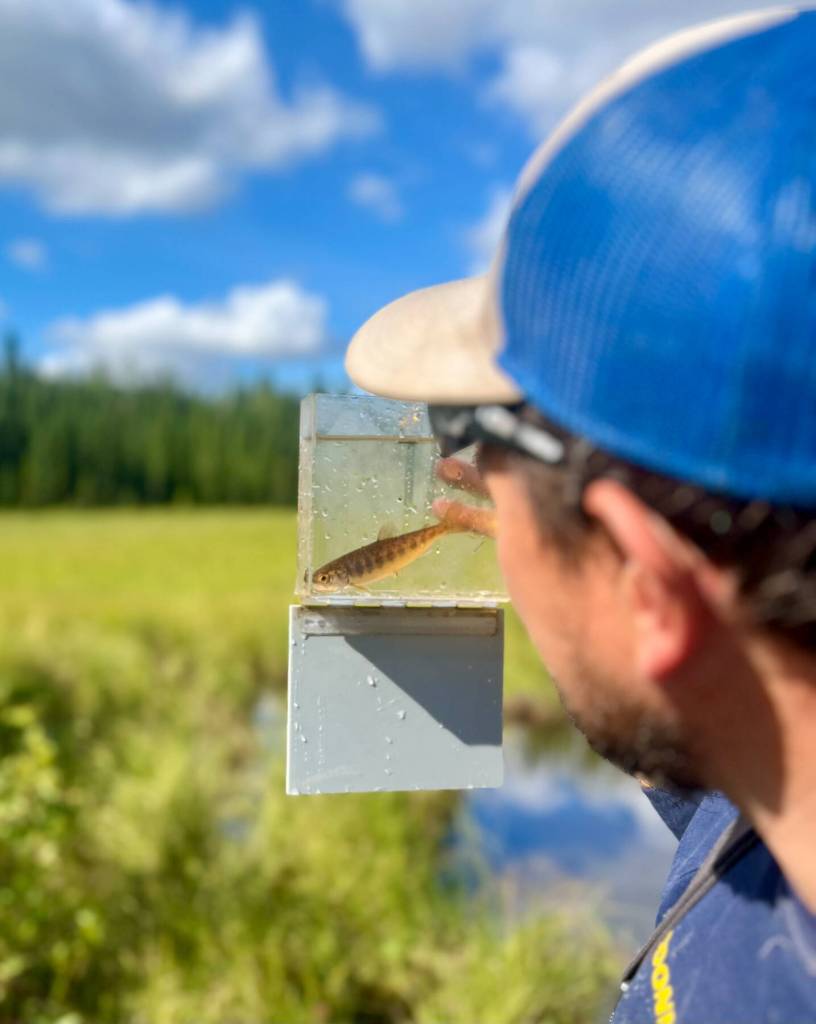


Cook Inletkeeper recently introduced a new local program called Backyard Salmonscapes. The project is a continuation of the organization’s Mapping Salmon Habitat Solution, which aims to map and protect previously undocumented salmon habitat with the help of volunteers from communities throughout the central Kenai Peninsula.
In 2019, Cook Inletkeeper began its “Local Solution” programming as a way of addressing the impacts of pollution and warming temperatures in the Cook Inlet watershed. These projects have focused on a myriad of community-focused projects, including planting trees, finding non-motorized means of transportation and working to preserve peatlands.
These programs have impacted communities far beyond the Kenai Peninsula. The “Drawdown Book to Climate Action Series,” a series of public meetings hosted in conjunction with Inletkeeper’s Community Action Studio and the Soldotna Public Library, had such a positive public response that Inletkeeper staff developed a guide called the “Community ActionKit” that has been used in communities as far north as Fairbanks and as far south as Sitka.
Kenai Watershed Forum environmental scientist Ben Meyer introduced the Mapping Salmon Habitat Solution this May. Cook Inletkeeper announced Backyard Salmonscapes in October as a way of continuing the work of Mapping Salmon Habitat and making it more efficient for next summer.
“We wanted to make sure it was salmon centric, and we wanted to make it an in-river type of project that we could do in two years,” said David Knight, Cook Inletkeeper’s community engagement coordinator.
According to the Kenai Watershed Forum, over 4,800 miles of streams and rivers in the Kenai Peninsula Borough are listed as anadromous salmon habitat. Anadromous habitat is crucial to salmon in all stages of life — it’s where baby salmon hatch, where they migrate from when they make their way to sea and where they return to as adults when they’re ready to spawn. The Kenai Watershed Forum estimates only 40% of anadromous waterways in the Kenai Peninsula Borough are documented, leaving thousands of miles to be explored.
“We’re looking at maps all the time,” Knight said. “Maybe that little tributary, or maybe that little bit of water that’s not in the anadromous water catalog, should be.”
Through their partnership, the Kenai Watershed Forum and Cook Inletkeeper taught dozens of community members to look for anadromous habitat by searching waterways for salmon. All summer long, Meyer led groups of volunteers as they surveyed areas throughout the central peninsula. When they found potential habitat, they set minnow traps and returned to them regularly to check for salmon.
Data collected from the project will be sent to the Alaska Department of Fish and Game for use in its anadromous water catalog inventory so they can receive sufficient protections from development.
Cook Inletkeeper board member Willow King said of the five drawdown programs Inletkeeper has offered so far, Backyard Salmonscapes is the most accessible and self-perpetuating. Once people have the tools they need, anyone can look for viable salmon habitat.
“What we realized is that if you want people to care about clean water and healthy salmon, you have to go to the roots of community action and have a conversation where you can meet people where they’re at,” King said.
Cook Inletkeeper will host monthly meetings throughout the winter where community members can brainstorm ways to improve the search for anadromous habitat next summer. The next meeting will be Nov. 18 from 5:30-7:30 p.m. at the Cook Inletkeeper Community Action Studio, located at 35911 Kenai Spur Highway, Unit 13, in Soldotna.