City clerk explains election system
Published 10:30 pm Friday, April 16, 2021
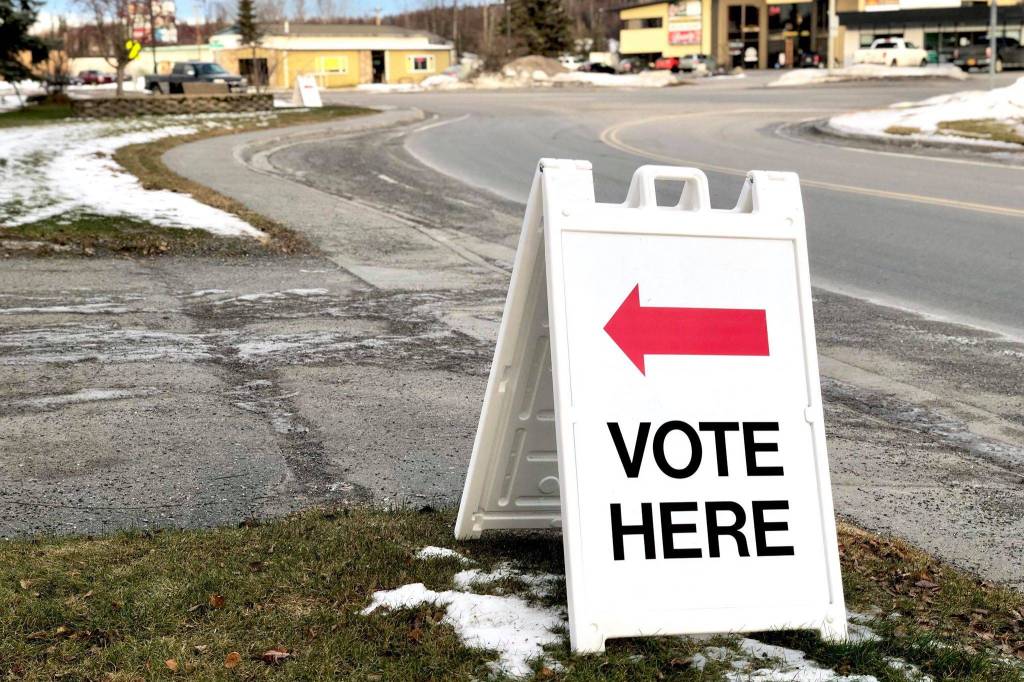
Soldotna City Clerk Shellie Saner spoke during a Wednesday city council work session about how city elections work and emphasized how collaboration between her office and the borough clerk make elections run smoothly.
Saner said that the city works closely with the Kenai Peninsula Borough clerk’s office because the two municipalities share about 3,700 voters. By collaborating, Saner said, the two hope to make voting in both elections as easy for residents as possible. The partnership allows voters to go to one location, sign two registers, get both ballots, vote them and then run them through the same machine.
“It’s a great relationship with the borough and we’re glad that we’re continuing on this way,” Saner said.
In describing the scope of work of the clerk’s office, Saner said “a lot” goes into elections and that she’s already preparing for upcoming elections in the fall. That work includes publishing election notices such as notices of vacancies, voter registration deadlines and election notices, as well as publishing the Kenai Peninsula Borough Voter pamphlet, creating ballots and coordinating absentee voting.
Candidates and ballot questions are first sent to the borough clerk to be programmed. Next, the ballot proof must be approved by the city clerk. After that, the ballot order must be placed by the borough clerk. Then, the ballots undergo logic and accuracy testing. Finally, the ballots are delivered to the city clerk.
The borough clerk and the city clerk work together to recruit election officials, including absentee officials who administer the absentee in-person voting location, the election board who administers the polling location on Election Day and the canvass board who returns and provides final reports for council certification.
In recruiting election officials, Saner said the city and borough also work together.
“These people are your neighbors, your friends. You recognize their faces when you go into vote,” Saner said. “They do this tirelessly every year.”
The city’s election equipment, including optical scan units, ballot boxes and voter booths, were purchased by the state and are stored by the borough and the city. Saner said the current equipment has been in place since 1998 and that the state purchased and implemented new election equipment last year.
New to Soldotna elections was the relocation of a polling place from City Hall to the Soldotna Public Library, which Saner said worked well.
The collaboration between the city and the borough means that when people show up to vote, they sign two registers: one for the borough and one for the city. Prior to 2013, the boundaries of the Alaska-designated “Soldotna” precinct were identical to Soldotna city limits, meaning the same group of people was able to vote in both elections. Changes resulting from a decision of the Alaska Supreme Court after the 2013 census, however, saw the borough’s “Soldotna” precinct boundaries expand to include about 1,000 voters who didn’t live in city limits.
“So how we determine when somebody walks through the door here to vote if they’re entitled to a city ballot is if they’re on the city register,” Saner said. “If they’re not on the city register and still insist that they are a city resident, they can vote a provisional ballot, which we call a question ballot.”
If someone is not on either register, Saner said that the city will help them seek which precinct where they should be voting. If the person doesn’t want to find the precinct whey they should be voting, the city will let them cast a provisional ballot.
“We never tell anybody they can’t vote; we tell them they can vote a provisional ballot,” Saner said, which is then later reviewed by the canvass board.
The canvass board, which meets on the Tuesday after the election to canvas all provisional and absentee ballots, checks to make sure that the individual who voted was entitled to cast their ballot, meaning they were registered in the area for the ballot they cast within 30 days of the election and that they didn’t vote in any other way in the same election.
If the voter was entitled to the ballot, it is processed. If they were not entitled to the ballot, the canvassing board sends the individual a letter explaining why their vote wasn’t counted. That could be because they weren’t registered or because they voted in the wrong precinct, for example.
If someone is found to have voted twice, they get a letter from the canvassing board and a call from Saner, who asks if they were aware they voted twice. Documentation and a record of the individual’s conversation are then sent to the Alaska Attorney General for further investigation.
The introduction of a new voting system that is ADA compliant will not change the city’s voting process, how the city provides information to voters, the absentee voting process or the election administration process, Saner said. The change is primarily in response to a discrimination complaint filed against the borough and because the equipment is outdated.
A complaint was filed with the Alaska State Commission for Human Rights (ASCHR) after the 2015 municipal election by a voter who alleged that the Kenai Peninsula Borough had discriminated against him by failing to provide a voting machine that could accommodate his vision disability.
The Americans with Disabilities Act (ADA) and the Help America Vote Act of 2002 (HAVA) are among federal laws that require “full and equal opportunity” for all eligible voters to vote, which includes having an accessible voting system for people with disabilities.
ASCHR offered a conciliation agreement instead of proceeding to a public hearing, which the borough entered into in December 2018. As part of that agreement, the borough agreed to adopt a voting system that allows for private, independent voting by visually impaired citizens.
The entire work session can be viewed on the city’s website at soldotna.org.
Reach reporter Ashlyn O’Hara at ashlyn.ohara@cmg-northwest2.go-vip.net/peninsulaclarion.