
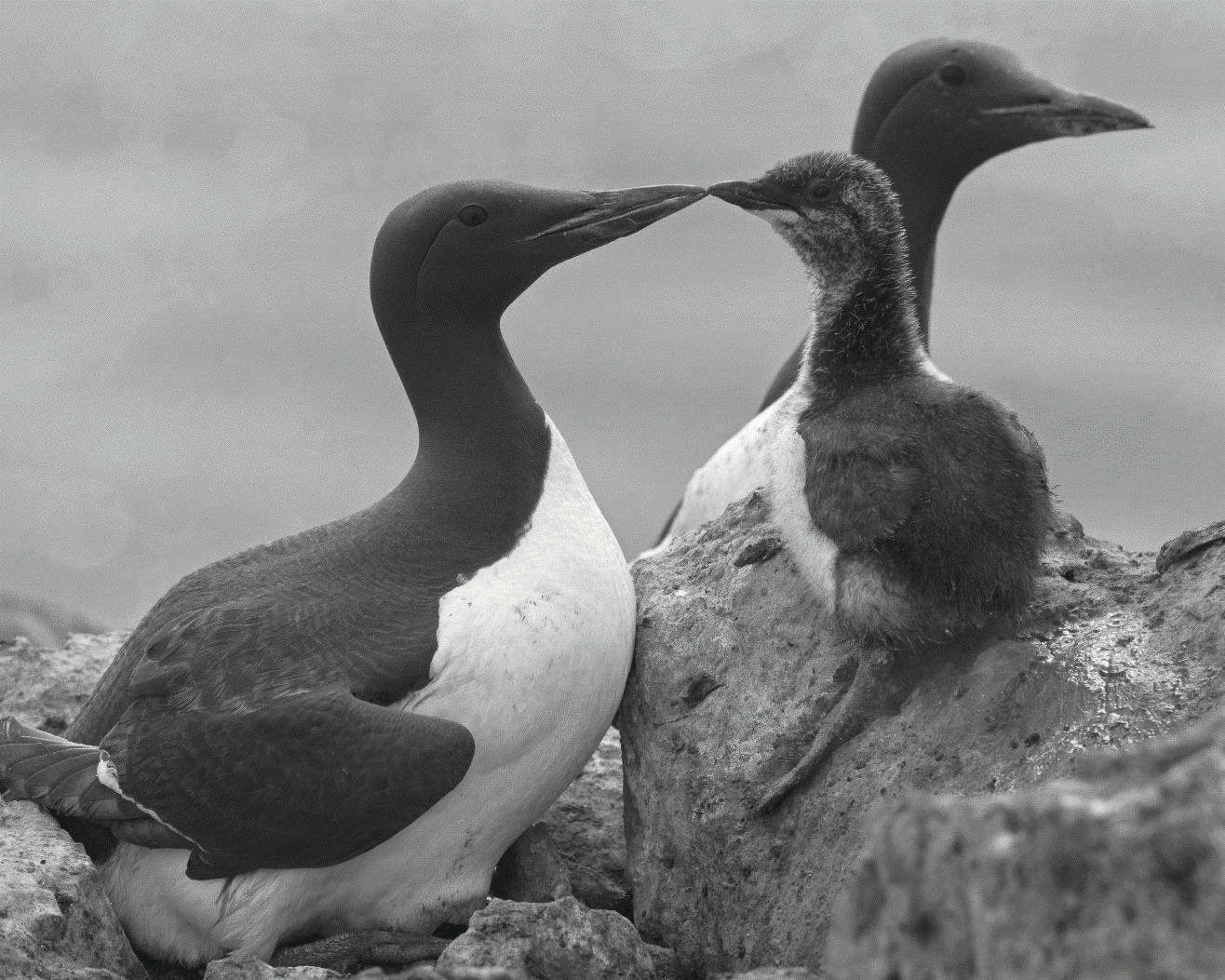
The 2014 to 2016 marine heatwave, or “the blob,” in the Gulf of Alaska was connected to one of the largest known seabird die-offs globally. We didn’t immediately understand the many ways the ocean ecosystem had changed. Now that we know how the ocean was impacted by the heatwave, it makes us wonder if these changes might persist in the future as warming continues.
Marine heatwaves are prolonged periods of abnormally high ocean temperatures. An extreme marine heatwave in the north Pacific Ocean started in 2013 and lasted through the winter of 2016, with the most intense warm period lasting from August 2014 to July 2016.
The unusually warm water extended from southern California to the Gulf of Alaska. While marine heatwaves have occurred in the region in the past, this one was more intense.
The southernmost and northernmost ends of the heatwave, that is southern California and Alaska, experienced the most extreme warming, as much as 10 degrees Fahrenheit warmer than normal — unprecedented in the more than 150 years of record keeping.
Seabird die-off events are not unusual. Seabirds need a lot of high-energy food to survive and breed in northern latitudes.
Die-offs happen throughout the world’s oceans, often on wintering grounds, when food supplies run low or are otherwise unavailable. But what made this die-off globally unprecedented was the extent — the large geographic area that was impacted, how long it lasted and the vast number of dead birds.
Between May 2015 and April 2016, we documented more than 62,000 murre carcasses across more than 3,700 miles of coast (from southern California to Alaska). Depending on the location, this was 10 to 1,000 times the number of bird carcasses we would expect to see under normal conditions.
Because only a small number of dead birds actually wash up on the beach, and of those, only a certain number are expected to be found, we estimated that at least 500,000 and maybe as many as 1.2 million seabirds died in this heatwave event.
To put this into context, that’s two to three times the number of seabirds that died in the Exxon Valdez oil spill of 1989 (an estimated 300,000 to 645,000 seabirds concentrated in a smaller area) and eight times the 1993 Gulf of Alaska murre die-off, which was considered large at the time with an estimated 120,000 birds.
Through a multiagency collaboration, we determined that the main cause of death was starvation. Murres are incredibly well-adapted for foraging for prey from the surface to the depth of the coastal shelf more than 650 feet below.
They feed on a wide variety of prey, so die-offs have historically been rare events. Until now. Even after the 2014 to 2016 massive event, seabird die-offs have continued in Alaska every year since, now impacting the Bering and Chukchi seas.
Murres and other seabirds live in exposed, cold environments and must maintain high metabolic rates to thrive and reproduce. Murres died of starvation because their food source changed when the waters warmed. Prey was smaller and leaner than usual and there was more competition for it. This pattern was repeated throughout the food web.
Plankton, made up of tiny aquatic plants and animals, form the base of ocean food webs, supplying 90% of primary production. Microscopic animals in the plankton, such as copepods, showed reduced nutritional value during the heatwave.
Copepods can vary in their size and fat content. For example, warm-water copepod species are generally smaller and less fatty than the larger, fattier copepod species generally found in cold water.
During the heatwave, there was a shift to more small, less fatty copepods and fewer fatty copepods. Seabirds and fish that feed on plankton had to eat more to get the same nutritional value.
As early as 2014, scientists noted declines in small forage fish. Capelin and sand lance experienced sharp population declines. In addition, the fish were smaller and lower in fat content. Sand lance were smaller and in poorer body condition due to a lack of nutrients and metabolic stress caused by the warm environment.
There was also likely more competition for these forage fish. Both seabirds and larger fish needed the forage fish for food.
When the water warmed, the fish warmed with it. A warmer fish is a more active fish — and a hungrier one.
The increase in metabolism of large predator fish, like pollock, cod and salmon, put even more pressure on declining forage fish stocks. In the intensifying battle for food between large fish and murres, murres lost.
Heatwaves have become more prevalent over the last century. Northern Alaska continues to experience warm ocean waters connected to loss of sea ice in the Arctic. Most fish species can tolerate a range of temperatures.
However, as Alaskan ocean waters warm, fish that prefer colder water move northward or deeper in the water column to find their optimal temperature habitat. If they cannot find it, they may not survive.
Persistent shifts in ocean temperature have resulted in less food for seabirds, which means that the environment may no longer support the population sizes it once could. From the smallest to largest organisms, the warming ocean has disrupted every level of the marine food web.
The changes that we documented in 2014 to 2016 may give us a glimpse of what to expect in years to come so that we might find ways to adapt.
See more at: https://go.usa.gov/xfR7h
Heather Coletti is a marine ecologist with the National Park Service Southwest Alaska Inventory & Monitoring Network. Marine and coastal ecosystem research and monitoring is conducted by a collaboration of many agencies, organizations and volunteers. This article presents our collective work. Find more Refuge Notebook articles (1999–present) at https://www.fws.gov/refuge/Kenai/community/refuge_notebook.html.
By HEATHER COLETTI
National Park Service
