
Recently, we Alaskans have experienced several tragic fatal traffic crashes on our highways around Southcentral Alaska, which forced the Alaska State Troopers (AST) to close the affected sections of the highway while we completed our investigations. It is the duty of AST to complete a thorough investigation to determine potential criminal and/or civil liability. There are specific protocols and procedures established to ensure each incident is properly investigated. AST is fully aware of the consequences when we need to close the highway for our investigation. Based upon the many calls and emails that we receive from the motoring public after a highway closure, I would like to address some of those concerns.
Members of AST constantly seek to professionally enforce the traffic laws and keep the motoring public safe. However, despite our best efforts, traffic crashes still occur, lives are lost, people are injured and millions of dollars in damages accumulate each year. In addition to the tragic loss of lives, a serious traffic crash on a major thoroughfare, like the Seward Highway, can result in many hours lost by travelers stuck in a long line of traffic, waiting for the road to reopen so they can complete their travel. AST completely empathizes with the frustration felt by the public when roadways are blocked for extended periods of time due to these collisions.
During the course of any given year, AST responds to an average of 40 fatal vehicle crashes throughout the state, not to mention thousands of additional crashes that result in injuries and/or damaged property. These crashes can produce results that range from a complete shut-down of all road surfaces due to collision debris and human injuries, to maintaining the flow of traffic and simply clearing vehicles off the road.
Troopers respond to these incidents and work diligently to document and clear the scene in a thorough, efficient and timely manner. This is accomplished through collision investigation and reconstruction training, technological advances in scene-processing equipment, and a coordinated approach to managing traffic crashes. While there is always room for improvement, AST is constantly looking at ways to make our roads safer by removing any obstacles that might slow the flow of traffic after a crash occurs.
Recent public inquiries received by AST make it apparent that a large number of motorists feel there is a lack of consideration from the troopers in regards to allowing traffic through while processing a crash scene. Contrary to this assumption, your troopers are keenly aware of each traffic stoppage and do everything in their power to open the road as quickly as possible. A crash investigation can often involve painting the road to identify the important crash indicators, taking photos, and clearing the road of debris.
When vehicle crashes occur, your troopers need to consider a number of factors, chief among them are the safety of everyone involved. This includes the crash victims, first responders, motorists, and potentially pedestrians. A coordinated effort from all the responding parties is required to ensure the crash is appropriately documented and investigated before the road can be reopened for normal use. Merely opening one lane of traffic doesn’t often work due to the high probability of a secondary crash (rubberneckers) or potential harm to your troopers working the scene.
One of AST’s primary goals is to prevent collisions before they occur. This can be accomplished to a certain degree through increased patrol enforcement efforts. However, despite our best efforts, AST is simply not able to significantly increase the number of dedicated patrol units on the highways at this time.
Alaska’s geography presents challenges that simply don’t exist in other parts of the country. If a crash happens in certain stretches of our highways, there is often no other way to route traffic around the crash. Usually these situations draw more attention as they usually occur during busy times of the day on high traffic roadways. Unfortunately, frustrated motorists often flood our dispatch centers voicing their displeasure about being stuck in traffic. This only diverts the dispatcher’s attention from answering higher-priority calls and assisting troopers working the crash scene.
In closing, I would ask each of you to please do your part while driving our highways: Drive defensively, wear your seatbelts, observe the posted speed limits and enjoy the best Alaska has to offer and its beautiful scenery. If you get caught in an unfortunate road closure, please remember that these tragic accidents involve someone’s family member or loved one. What seems like a long wait to you is nothing compared to the life-altering effects on the families of those directly involved. Thank you.
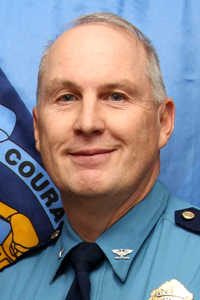
Col. James Cockrell is Director of the Division of Alaska State Troopers.
