
Since President Donald Trump’s first day in office, and from my first day as his health secretary, our country’s opioid crisis has been one of our most challenging missions. But there were always sources of inspiration: We heard from the Americans on the frontlines of the fight against addiction, and we set about bringing them what they needed to continue the fight.
Today, thanks to President Trump’s leadership and the hard work of so many, there are clear signs that we are beginning to turn the tide. According to provisional data, total drug overdose deaths in the United States dropped 5% from 2017 to 2018 — the first drop in more than two decades.
But we are still far from declaring victory. Deaths from drug overdoses remain at historically high levels, and the Trump Administration will not let up in this fight.
That’s why, this month, the Trump Administration announced almost $3 billion in new grants to state and local governments, academic institutions, and private companies; including $7,661,097 being sent to Alaska.
The State Opioid Response program issued by the Substance Abuse and Mental Health Services Administration, provides flexible funding to state governments to support prevention, treatment, and recovery services for opioid use disorder in the ways that meet their needs.
We have ensured that this grant program is focused on providing evidence-based treatment, including the gold standard for treating opioid addiction — medication-assisted treatment. We are making real progress in this regard: Administration estimates suggest that approximately 1.27 million Americans are now receiving medication-assisted treatment — up from 921,000 in 2016 — out of about 2 million Americans with opioid use disorder.
The Overdose Data to Action program from the Centers for Disease Control and Prevention help state and local governments track overdose data as closely to real-time as possible and support them in work to prevent overdoses and save lives.
This will help advance understanding of opioid overdose epidemic and scale-up prevention and response activities.
Finally, the National Institutes of Health has awarded $945 million in total fiscal year 2019 funding for grants, contracts and cooperative agreements across 41 states through the Helping to End Addiction Long-term Initiative or NIH HEAL Initiative.
The trans-NIH research effort aims to improve treatments for chronic pain, curb the rates of opioid use disorder (OUD) and overdose and achieve long-term recovery from opioid addiction. The NIH HEAL Initiative is leveraging expertise from almost every NIH institute and center to approach the crisis from all angles and disciplines.
September’s grants come on top of nearly $400 million in grants issued in August from the Health Resources and Services Agency to community health centers, rural organizations, and academic institutions to help them establish and expand access to substance abuse and mental health services — for opioid addiction and other challenges.
Since the start of the Trump administration, HHS has disbursed almost $9 billion in grants to states and local communities to help increase access to treatment and prevention services.
But defeating addiction takes a lot more than just money. It requires building a health care system that cares for each patient, as a whole person, and works to reduce the stigma surrounding addiction.
That’s one of the reasons why the Trump Administration proposed to modernize regulations that can pose significant barriers to caring for Americans struggling with substance use disorders, like opioid addiction, to make sure they get the effective, coordinated care they need.
We have also issued Medicaid waivers to 25 states to expand access to in-patient treatment for substance use disorder. And we have worked to prevent opioid addiction by promoting the responsible prescribing of opioid painkillers, yielding a 3% decrease in the total amount prescribed since President Trump took office.
President Trump’s sustained focus on opioid addiction and substance abuse is yielding real results. But we also know that this crisis developed over several decades, and it will not be solved overnight.
As we begin to turn the tide on opioid addiction, the President will remain committed to helping communities across America continue to battle drug addiction, save lives, and help everyone struggling with addiction to find the road to recovery.
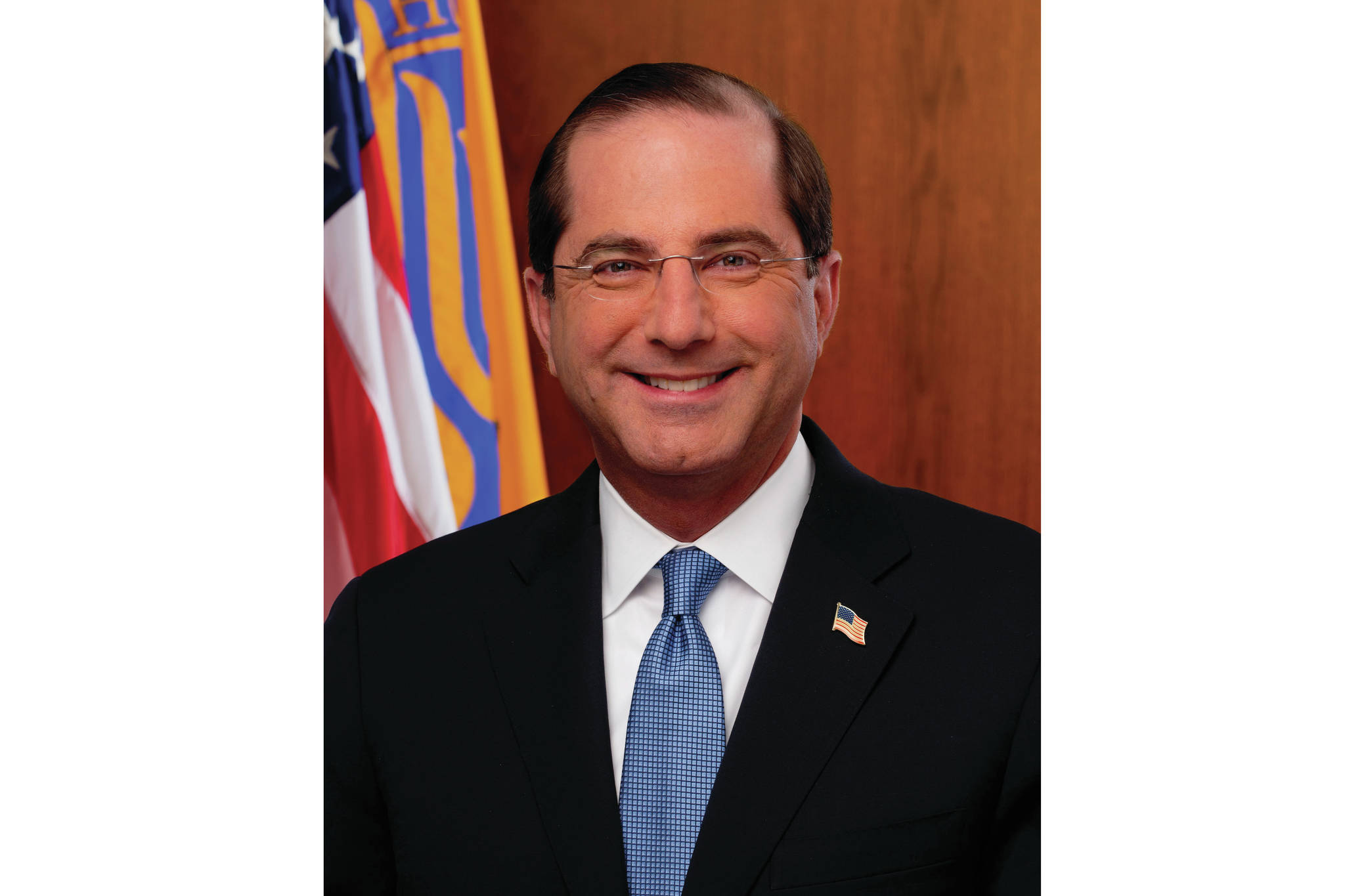
Alex M. Azar II is the U.S. Secretary of Health and Human Services.
Alex M. Azar II is the U.S. Secretary of Health and Human Services.
