
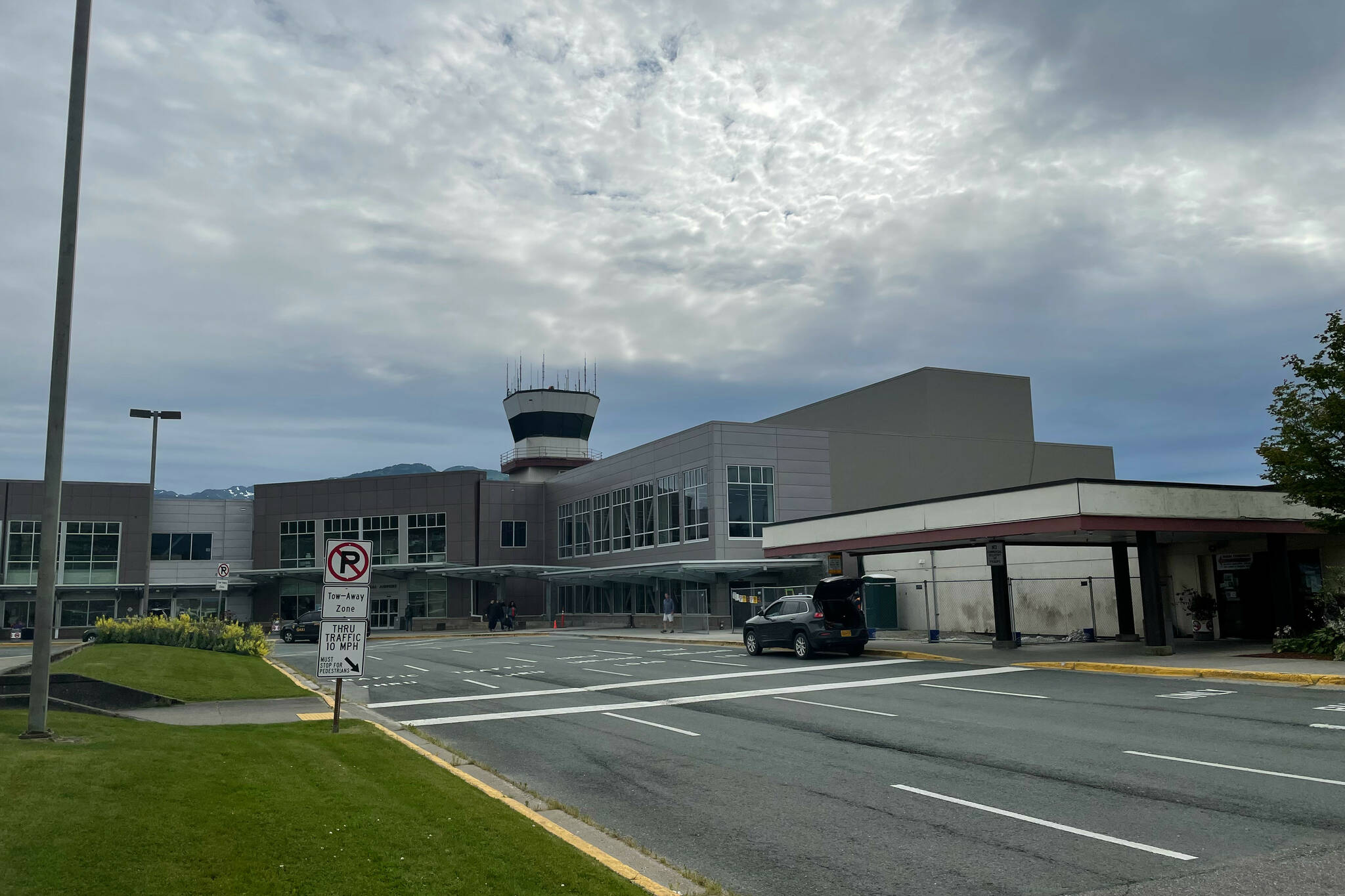
This Aug. 3, 2021, photo shows Juneau International Airport. The Federal Aviation Administration shared recommendations on Thursday for improving aviation safety in the state. (Michael S. Lockett / Juneau Empire File)

This Aug. 3, 2021, photo shows Juneau International Airport. The Federal Aviation Administration shared recommendations on Thursday for improving aviation safety in the state. (Michael S. Lockett / Juneau Empire File)

Opinion: How the FAA will improve the margin of aviation safety in Alaska

Alaska depends on aviation more than any other state…

  • By Steve Dickson
  • Saturday, October 16, 2021 11:08pm
  • Opinion

By Steve Dickson

Alaska depends on aviation more than any other state, and the Federal Aviation Administration is committed to doing everything possible to make flying here safer.

It’s why the FAA launched the Alaska Aviation Safety Initiative last October. It’s a collaborative effort that includes the FAA and representatives from every segment of the Alaska aviation industry. This week we released a landmark report featuring recommendations from key Alaska aviation stakeholders on how to increase aviation safety in the state, where more than 80% of communities are accessible only by air.

Among the recommendations are increasing and improving weather data reporting and forecasting, expanding satellite-based Automatic Dependent Surveillance-Broadcast (ADS-B) air-traffic surveillance to more areas and improving navigation charting. The report also identifies and urges the continuation of successful FAA initiatives, including the agency’s weather-camera system and efforts that greatly reduced safety incidents around Bethel Airport.

This safety initiative works because it’s driven by input from Alaskan aviators. We teamed up with the flying community to develop this comprehensive blueprint for our future safety work. The recommendations are from the people who fly here every day, and who operate the airports that are lifelines for communities from Utqiagvik to Juneau, to Kaktovik and the Aleutian Islands, and everywhere in between.

Throughout the spring and summer, the FAA hosted 12 virtual meetings with hundreds of aviation stakeholders — including pilots, trade associations, airports and state officials — to get their thoughts on current and planned safety efforts in Alaska. Discussions addressed which FAA efforts are producing desired results, where improvements are needed, and what else the agency should consider to further enhance safety.

While stakeholder input was the foundation of this effort, recommendations from the National Transportation Safety Board were the spark that got it started. We also received — and continue to receive — important support from Alaska’s congressional delegation, and we need their ongoing support so we have the resources to get this important work done.

I’m proud of what we achieved so far by working together. But this report is a starting point rather than an end. Now that we have a set of thoughtful, specific recommendations, we are developing a roadmap for implementing them, focusing first on initiatives with the greatest safety benefits.

We expect to complete the draft roadmap in early 2022. We will identify the resources needed, and then we’ll come back to our stakeholders for feedback. Meanwhile, the FAA will continue those initiatives already underway while incorporating aspects of the new initiatives by summer 2022. We’ll submit a progress report to stakeholders by Sept. 30, 2022.

Safety comes first for the FAA. And as a former military and commercial airline captain, airline executive, and now FAA administrator, I’ve learned that safety cannot be dictated from above — it must be a partnership. The FAA is committed to getting the work we’ve outlined done to make flying safer for everyone in Alaska. And we will do it in an ongoing, transparent and collaborative process.

Steve Dickson is the administrator of the Federal Aviation Administration. He also served as a former commercial airline captain and military pilot.

More in Opinion

A vintage Underwood typewriter sits on a table on Tuesday, Feb. 22, 2022, at the Homer News in Homer, Alaska. (Photo by Michael Armstrong/Homer News)
Opinion: Federal match funding is a promise to Alaska’s future

Alaska’s transportation system is the kind of thing most people don’t think… Continue reading

Larry Persily. (Juneau Empire file photo)
Opinion: Dunleavy writing constitutional checks he can’t cover

Gov. Mike Dunleavy, in the final year of his 2,918-day, two-term career… Continue reading

Photo courtesy of the UAF Geophysical Institute
Carl Benson pauses during one of his traverses of Greenland in 1953, when he was 25.
Carl Benson embodied the far North

Carl Benson’s last winter on Earth featured 32 consecutive days during which… Continue reading

A vintage Underwood typewriter sits on a table on Tuesday, Feb. 22, 2022, at the Homer News in Homer, Alaska. (Photo by Michael Armstrong/Homer News)
Letters to the editor

Central peninsula community generous and always there to help On behalf of… Continue reading

Larry Persily. (Juneau Empire file photo)
Opinion: It’s OK not to be one of the beautiful people

This is for all of us who don’t have perfect hair —… Continue reading

Alaska’s natural gas pipeline would largely follow the route of the existing trans-Alaska oil pipeline, pictured here, from the North Slope. Near Fairbanks, the gas line would split off toward Anchorage, while the oil pipeline continues to the Prince William Sound community of Valdez. (Photo by David Houseknecht/United States Geological Survey)
Opinion: Alaskans must proceed with caution on gasline legislation

Alaskans have watched a parade of natural gas pipeline proposals come and… Continue reading

Van Abbott.
Looting the republic

A satire depicting the systematic extraction of wealth under the current U.S. regime.

Six-foot-six Tage Thompson of the Buffalo Sabres possesses one of the fastest slap shots in the modern game. Photo courtesy Ned Rozell
The physics of skating and slap shots

When two NHL hockey players collide, their pads and muscles can absorb… Continue reading

Pam Groves of the University of Alaska Fairbanks looks at bones of ancient creatures she has gathered over the years from northern rivers. The remains here include musk oxen, steppe bison and mammoth. Photo courtesy Ned Rozell
What killed the world’s giants?

Most of the large animals that have walked the surface of Earth… Continue reading

Larry Persily. (Juneau Empire file photo)
Opinion: Trying to deny voters a choice is getting to be a bad habit

Alaskans this fall will vote for the third time whether they prefer… Continue reading

Jim Jansen and Joe Schiernhorn are co-chairs of the Keep Alaska Competitive Coalition. Photo courtesy of Keep Alaska Competitive
Opinion: Alaska’s winning formula

Alaska is experiencing an energy renaissance, thanks to a stable fiscal framework… Continue reading

The Juneau offices of the Alaska Permanent Fund Corp. are seen Monday, June 6, 2022. (James Brooks/Alaska Beacon)
Stewardship for generations

The Alaska Permanent Fund is celebrating a 50-year milestone.