
With the school year beginning and coronavirus not yet gone, getting America’s kids back to school full-time presents a major challenge. With over 50 million K-12 students in 130,000 schools and 14,000 school districts, a variety of plans have been advanced.
Predictably, in some places, this issue has become politicized.
The federal government wants schools to reopen while some school districts are bowing to teachers who demand more money or threaten strikes. Teachers’ unions in some major cities under the umbrella of demandsafeschools.org have conditioned their return to the classroom on implementation of “racially just” schools. This includes defunding police, federal bailouts of schools, canceling rents and mortgages and a moratorium on charter schools and standardized testing.
In Alaska, Anchorage reversed plans for part-time classroom instruction and will conduct all classes remotely. Mat-Su and Ketchikan announced full-time school four or five days per week. Haines and Skagway plan a hybrid approach combining online instruction with in-person classes.
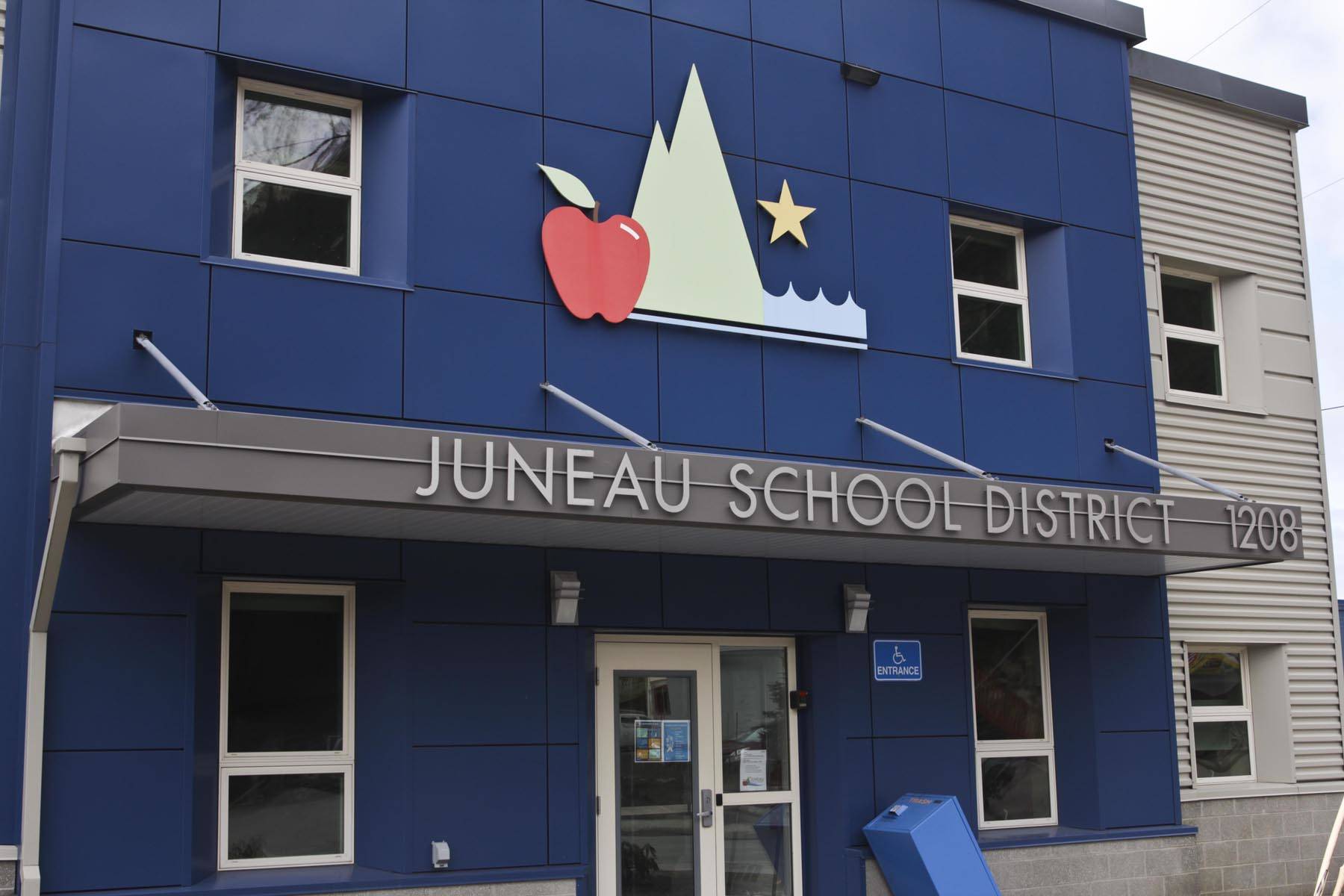
Despite CDC guidance advocating school reopening and a DHSS-established medium-level COVID-19 risk environment, the Juneau School District inexplicably canceled their hybrid plan in favor of a distance learning model. Reaction on social media was immediate and emotional. Concerned commenters noted “People will have to quit their jobs,” “This is going to impair learning for so many of our children,” “How can JSD ensure participation,”and “I can’t imagine the stress on parents.”
[Juneau Schools will open at a distance]
Proponents of in-classroom instruction worry about the damaging social, emotional and economic effects of keeping students at home.
A July 29 Harvard-based study published in the New England Journal of Medicine concludes that children denied in-person instruction “will lose out on essential educational, social and developmental benefits; neither the economy nor the health care system will be able to return to full strength given parents’ caretaking responsibilities; and profound racial and socioeconomic injustices will be further exacerbated. We believe that safely reopening schools full-time for all elementary school children should therefore be a top national priority.”
On the other side, many who oppose reopening schools claim that students, teachers, and their families risk death by returning kids to classrooms. It appears, however, that these concerns are based more on fear than science.
The experience of countries where schools reopened — or never closed — demonstrates that susceptibility, infectiousness, or both, are lower among younger children. School reopenings haven’t led to increased case counts in Denmark, Finland, Belgium, Austria, Taiwan or Singapore. The United Kingdom, which leads Europe in COVID-19 cases and deaths, plans to reopen schools full time this month with appropriate precautions.
In Alaska, children aged 10 years or younger represent only 4.7% of all COVID-19 cases — fewer students than comprise one classroom. Only one person under age 19 has been hospitalized. No deaths have been recorded for anyone under the age of 30.
Alaska’s COVID-19 case numbers and deaths remain among the lowest of all states — with approximately 50% concentrated in one area: Anchorage.
Juneau’s numbers are even healthier. At time of this writing, of Juneau’s 92 total resident COVID-19 cases, only nine were active with no hospitalizations, and no local deaths.
How does this translate into a requirement to close our schools?
Clearly, a “one-size fits all” approach makes little sense when COVID-19 statistics vary widely among different regions and communities.
Remote learning, especially for young children, is a poor substitute for full-time in-classroom instruction. Younger children require monitoring and continuity of instruction as well as help navigating required technology. Parents forced to stay at home with their children are often ill-equipped to provide it.
Science, education, and economic factors, therefore, argue in favor of full-time classroom instruction. This is most critical for elementary school age children — presuming community health resources are not over-taxed. And that certainly seems to be the case in Juneau and many other Alaska communities.
Teachers with risk factors can be excused and tasked with online learning or other assignments. Some families may opt to keep their children home. As much as possible, these situations should be accommodated.
But, if we believe children come first, then fears must be overcome in favor of science and common sense.
Win Gruening retired as the senior vice president in charge of business banking for Key Bank in 2012. He was born and raised in Juneau and is active in community affairs as a 30-plus year member of Juneau Downtown Rotary Club and has been involved in various local and statewide organizations.
