
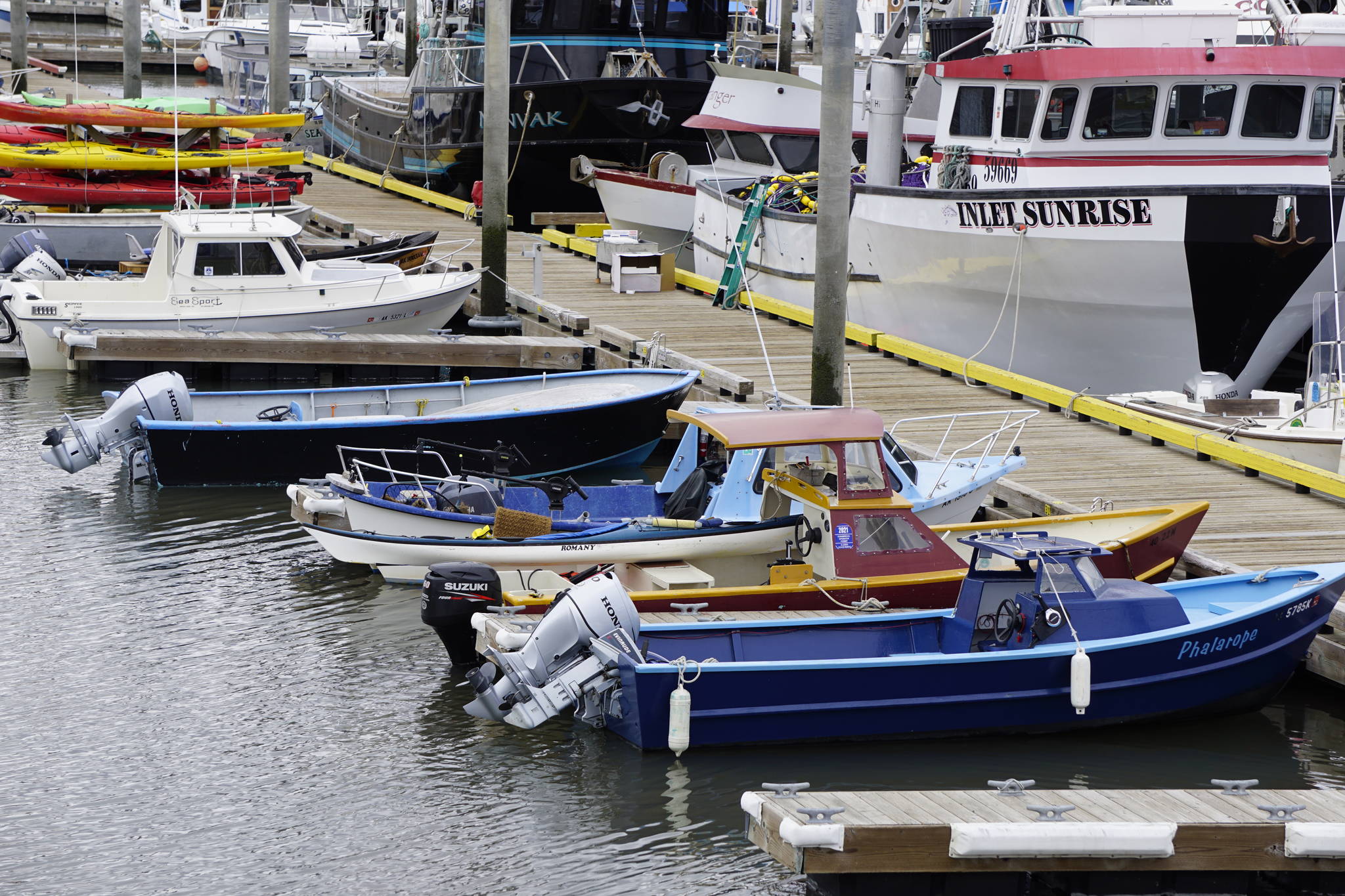
National Safe Boating Week 2021, sponsored by the U.S. Coast Guard and the Coast Guard Auxiliary, kicked off Saturday, May 22 and runs through Saturday, May 28, to promote safe boating practices and help reduce boating accidents and fatalities.
“The purpose of (National Safe Boating Week) is recreational boating safety, and that is one of the statutory missions of the Coast Guard — the safety of mariners at sea,” said Lt. Benjamin Arocho, commanding officer of the Coast Guard Cutter Naushon. “The goal is to educate the public on best practices, safety practices and also the law, because ultimately all recreational boating laws are created to keep mariners safe.”
New legislation requiring recreational mariners to use engine cut-off switches on their vessels is at the forefront of the weeklong event’s message.
As of April 1, the Elijah E. Cummings Coast Guard Authorization Act of 2020 requires all recreational vessels that were built after Jan. 1, 2020, are less than 26 feet in length and produce more than 115 pounds of static thrust (0r 3 horsepower) to use an engine cut-off switch and an associated engine cut-off switch link in case of an emergency where the operator is ejected from the boat or falls overboard. The device is being implemented to help prevent accidents, injuries and runaway vessels.
The new law also requires operators to use the switch while boating on plane, or above displacement speed. Personal watercraft, including Jet Skis, fall under the new regulations as well.
Beginning in 2019, boat manufacturers were federally required to equip recreational vessels smaller than 26 feet in length with an engine cut-off switch. The cut-off switch link, usually a lanyard attached to the operator’s personal flotation device, will shut off the engine when removed from the switch. For vessels made before 2019, there are aftermarket engine cut-off switches available for installation.
Coast Guard Petty Officer 2nd class Melissa McKenzie said the cut-off switch is necessary for the protection of all mariners on the water. “A runaway skiff situation is dangerous not only for the operator who has now been ejected — most times from the helm — and is in the water at risk of being struck by the propeller, but the runaway skiff is presenting a problem for everyone else who is on the water because it is now an uncontrolled vehicle at that point,” McKenzie explained.
According to a press release from the Coast Guard, in 2019, Alaska had 14 boating accidents with seven injuries and 11 deaths. While the 2020 statistics are still being reviewed, the Coast Guard has already responded to two boating accidents this year with one resulting fatality.
“It is very important that people treat the water with respect because it can bite back pretty quickly,” Arocho said.
Before getting out on the water, the Coast Guard recommends these safety tips to ensure all passengers are protected and prepared in case of an emergency:
Wear a life jacket or personal flotation device. By law, all children under the age of 13 are required to wear a PFD at all times when in an open boat, on the deck of a boat or when waterskiing. Through the Kids Don’t Float program, PFDs for children are available to borrow at many harbors.
Make sure your vessel is fully operational, including ample fuel supplies.
Wear the engine cut-off switch link.
Do not boat under the influence. Be sober while operating a vessel.
Ensure all safety equipment is in good, working condition.
Check the weather. Be sure to know what the immediate and extended forecast is and be prepared.
Have multiple functioning forms of communication devices, as well as extra batteries and chargers. The VHF-FM radio is the primary communications network for mariners, and enabling the Digital Selective Calling features on your marine radio can broadcast your location and information to every boat within range in an emergency.
In order to promote safe boating, mariners can receive free vessel safety checks through the Coast Guard Auxiliary to ensure their boats are ready to operate. These inspections check PFDs, registration and numbering, navigation lights, ventilation, fire extinguishers, distress signals such as flares and horns, and battery cover and connections, which are all required by state and federal law. To sign up for a safety review, visit http://cgaux.org/vsc/.
The Coast Guard Auxiliary also offers beginner through advanced boating safety education courses. Visit http://cgaux.org/boatinged/ for more information and to register.
For more information about safe boating, visit https://www.uscgboating.org/.
Reach Sarah Knapp at sarah.knapp@homernews.com.
