Tribal health, nutrition discussed during U.S. Health Secretary Kennedy’s visit to Kenai
Published 9:30 pm Wednesday, August 6, 2025
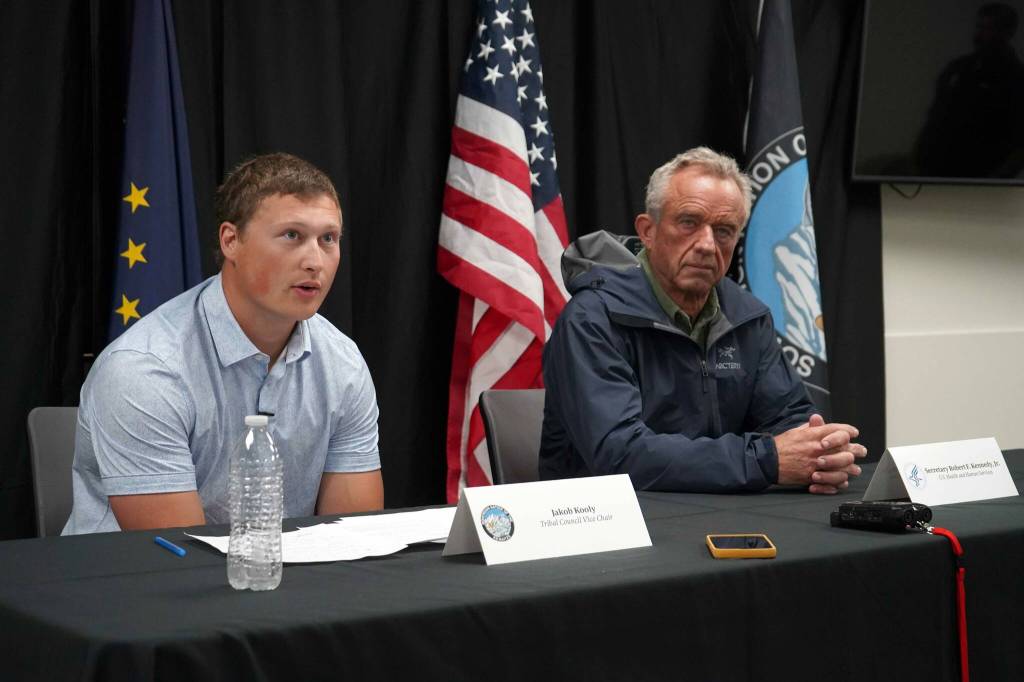
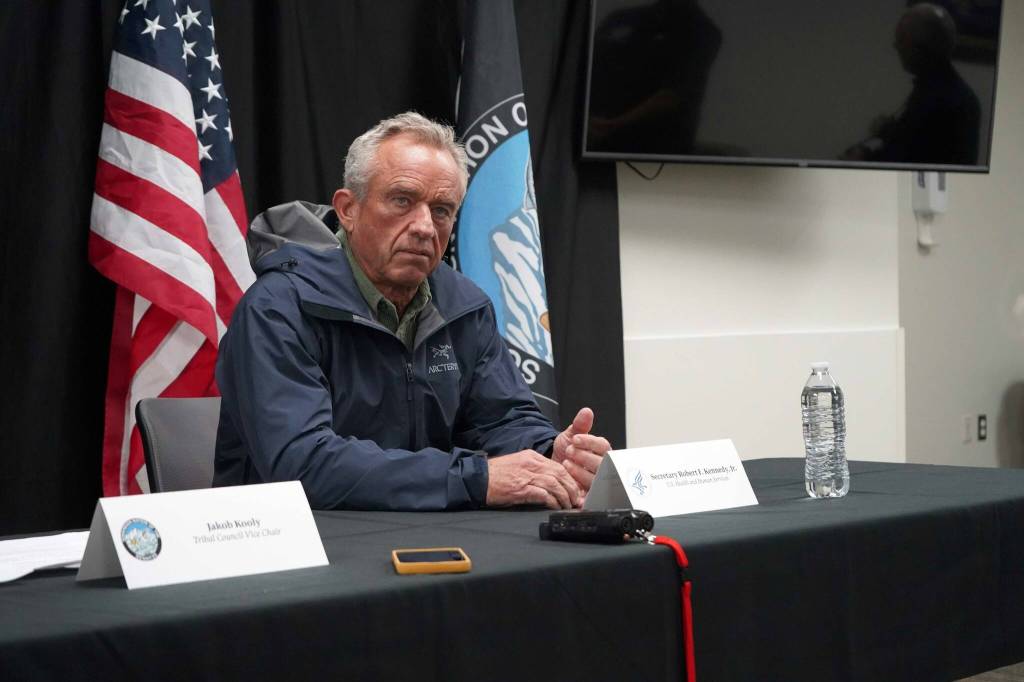
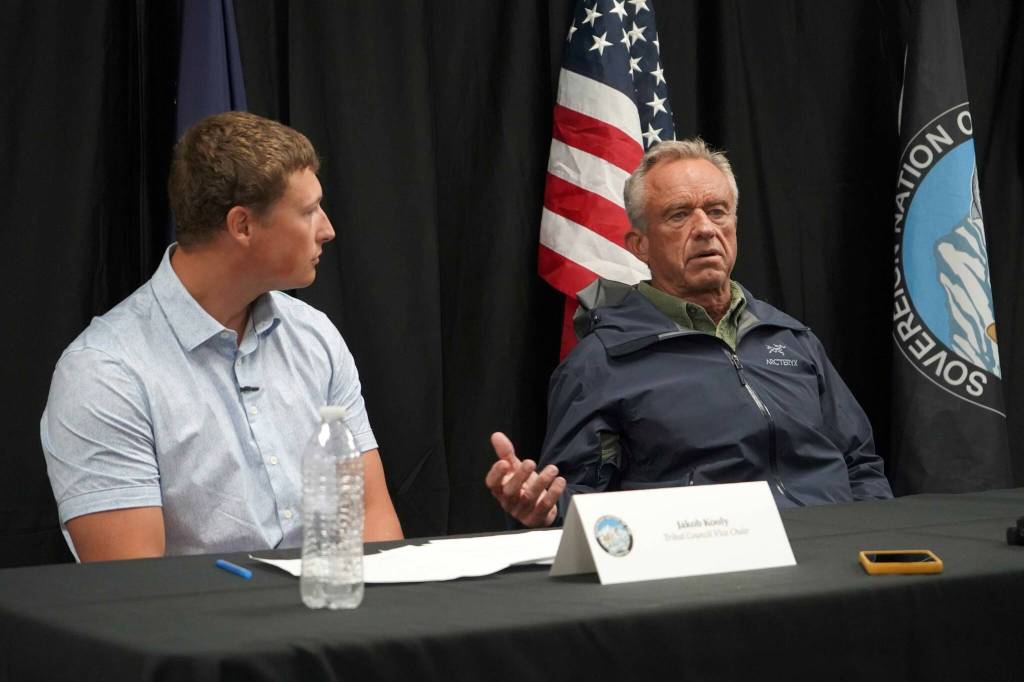
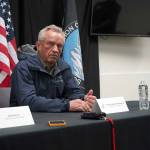
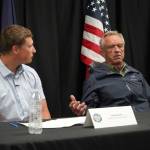
U.S. Health and Human Services Secretary Robert F. Kennedy Jr. on Thursday toured the Dena’ina Wellness Center in Kenai to hear from the Kenaitze Indian Tribe on Native health and access to traditional foods.
Speaking during a brief press conference Thursday afternoon, Kennedy said his focus was on nutrition. He said he would be visiting the tribe’s hydroponic greenhouses and salmon fishing operation before taking some time fishing on the Kenai River. His Kenai Peninsula outing follows visits to tribal health care facilities in Anchorage on Tuesday and Fairbanks and Tanana on Wednesday.
Kennedy said his goal is to be “the best HHS secretary that the tribes have ever had.” That’s why he said he’s touring Alaska and meeting with tribes this week. He said he’s looking for “concrete things” to meet the health care needs of Alaska Natives and Native Americans.
Jakob Kooly, vice chair of the Kenaitze Indian Tribe’s tribal council, said the tribe had shared with Kennedy their thoughts and concerns about Medicaid changes, food security, tribal court and fisheries management.
“The fisheries is crucial for the well-being of our people,” he said.
Regulatory barriers, Kennedy said, prevent the tribe from accessing its traditional fisheries. He pointed to “intercept” fisheries like the Gulf of Alaska trawlers who are damaging salmon stocks that Alaskans rely on.
“There’s no way to protect those stocks if you have an intercept fishery,” he said. “An offshore trawler with a 3-mile net could kill that and exterminate that entire stock and they wouldn’t even know it.”
Sustainable fishery management — localized to tributaries like the Kenai River — is something tribes have been doing for a very long time. Kennedy said he wasn’t sure what a solution could be or what role HHS could play in that conversation. He pointed to the varied interests of the state, commercial fisheries, sport fishers, and Native tribes — “unfortunately, the Native interests often come last.”
The Kenai River and Cook Inlet, specifically, is an area that Kennedy said he has familiarity with. He was involved in the formation of Cook Inletkeeper and has visited multiple times in the past to fish “the iconic king salmon fishery,” which has since declined in such a way that “makes you want to cry.”
Kennedy said he’d been impressed by the tribal management of hospitals and clinics he visited in Alaska. He said that he would “move every mountain that I can” to see more tribal management of health care facilities.
Kennedy on Thursday also dismissed concerns about what he called “the so-called cuts in Medicaid.” He said that Alaska, and specially Alaska Native tribes, would be shielded from some of the changes to eligibility. He said he supported a reduction in the cost of Medicaid by reducing the number of people who can qualify for it because he thinks the program is financially unsustainable.
Across all four of his Alaska appearances this week, Kennedy has drawn crowds protesting his vaccine policies, which have included dismantling scientific advisory groups, changing recommendations on access to COVID shots and canceling funding for vaccine development.
In Kenai, around a dozen protesters — holding signs with slogans such as “trust science” — stood at the intersection of the Kenai Spur Highway and Main Street — a few blocks from the Dena’ina Wellness Center.
Kennedy, who dismisses the scientific consensus on vaccine safety and effectiveness, made national headlines this month when he canceled nearly $500 million in spending on projects supporting mRNA vaccine development. That topic dominated his discussion with statewide press in Anchorage on Tuesday, but wasn’t mentioned in Kenai on Thursday.
Reach reporter Jake Dye at jacob.dye@cmg-northwest2.go-vip.net/peninsulaclarion.