
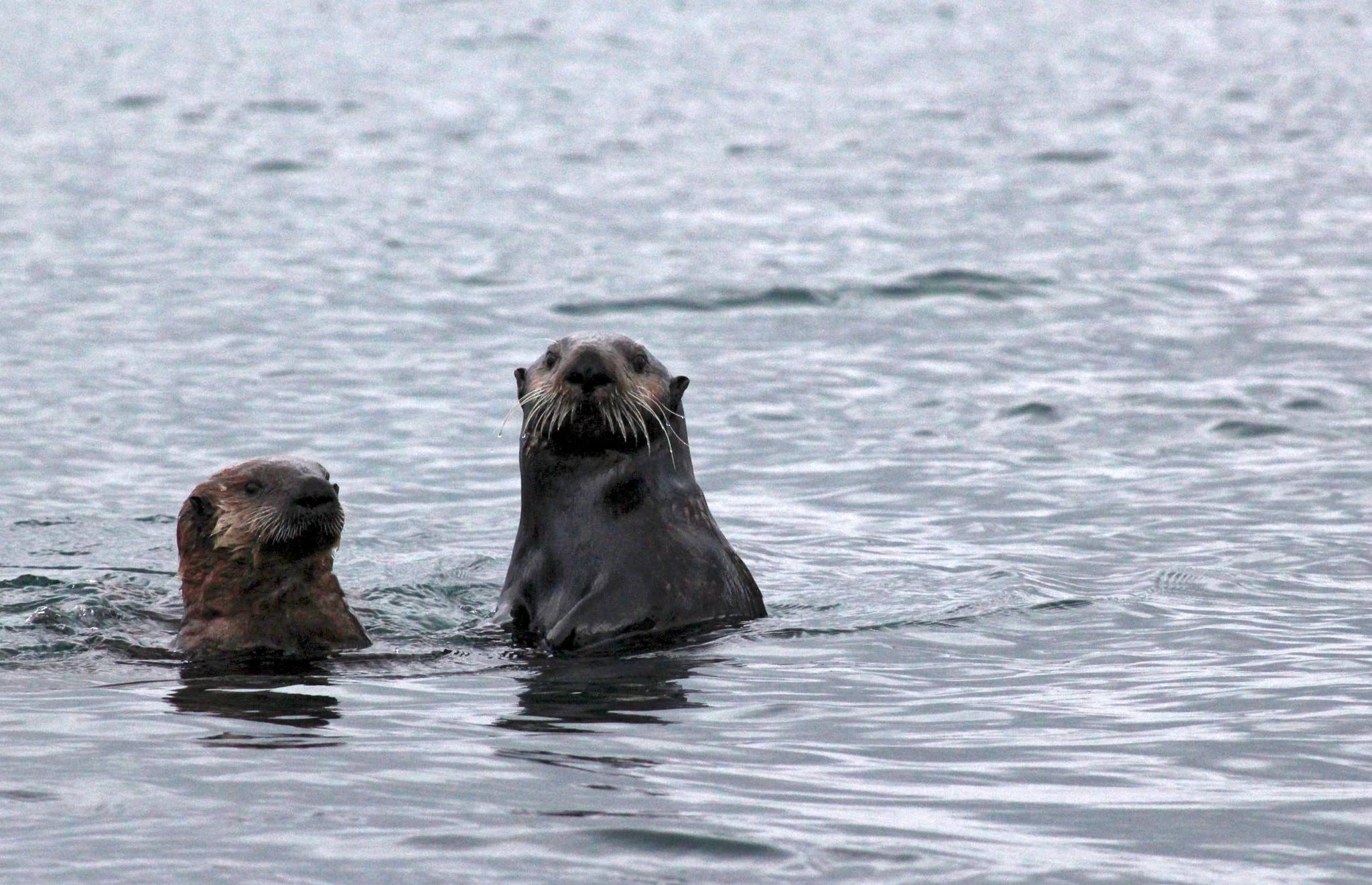
The state is targeting sea otters because of concerns about their growing population.
The Legislature is considering two resolutions, one in the House and one in the Senate, asking Congress to amend the Marine Mammal Protection Act and allowing the Alaska Department of Fish and Game and Alaska Native organizations to co-manage, harvest and study sea otters. The state Board of Fisheries also submitted a letter to Secretary of the Interior Ryan Zinke and Secretary of Commerce Wilbur Ross asking for the same thing.
Sea otters have long been a staple in Alaska’s cultural and economic history. The 18th century Russian traders arrived in the state and targeted otters for their fur, devastating the population with unsustainable harvest practices. By the 1960s, the population had fallen to critical levels, and Fish and Game reintroduced sea otters in six different locations in Southeast Alaska to help them recover. The federal government took over otter management after the passage of the Marine Mammal Protection Act in 1972.
Those recovery efforts have apparently been very successful. The most recent survey data, from 2013, shows about 25,712 sea otters living in the wild in Alaska, according to U.S. Fish and Wildlife survey data.
“This level of recovery makes the sea otter a landmark success under the (Marine Mammal Protection Act), but at the current USFWS estimated annual growth rate of 12–14%, the population could reach unsustainable levels and will place significant additional pressure on the surrounding ecosystem,” the Board of Fisheries’ letter states.
The Board of Fisheries’ primary concern is that sea otters are eating too many clams and young crab, hampering the commercial fisheries in Southeast Alaska particularly. A management report from Fish and Game submitted at the Board of Fisheries’ Southeast regional meeting in January states that sea otters are able to stay in areas for many years, feeding on primary target species like red sea urchins and abalones first before moving on to secondary species like sea cucumbers.
The impact is noticeable in the dive fishery, though, reducing biomass and thus harvests, according to the report.
“The sea urchin fishery was the first dive fishery in the region to be affected, with the closure of Sitka Sound because of severe population declines,” the report states. “Sea otters moved into the southern Sitka Sound red sea urchin fishing area in 1992 and, over the next year, removed an estimated 16,000,000 urchins or the majority of the standing stock.”
During its statewide meetings March 9 in Anchorage, the Board of Fisheries approved the letter, noting that it’s possible that an outside factor like disease could lead to declines in the sea otter population but the current predation level was negatively impacting fisheries.
Board chairman John Jensen noted that a possible comanagement agreement, allowing the state to help manage sea otters, would help address the growing populations in Southeast as well as other areas of the state, like Cook Inlet and the Kenai Fjords National Park, where the sea otter population has increased as well. A 2008 Fish and Wildlife stock assessment estimated that there were 2,673 otters in Cook Inlet and the Kenai Fjords; the 2016 stock assessment estimated 5,880 in the same area, with 3,596 in Kachemak Bay alone.
The Alaska Senate resolution, sponsored by senators Bert Stedman (R-Sitka) and David Wilson (R-Wasilla) notes that the otter restoration began without a comprehensive management plan and raises concerns about the sustainability of the shellfish fisheries, shellfish population and otter populations without management.
“Along Alaska’s coast, the growing sea otter population is devastating the shellfish biomass,” Stedman wrote in his sponsor’s statement. “If the population continues to go unchecked, predation from sea otters inevitably threatens the future of dive and crab fisheries, jeopardizing hundreds of jobs and tens of millions of dollars in economic activity.”
Fishing groups like the United Southeast Alaska Gillnetters, the Southeast Alaska Fishermen’s Alliance and the United Fishermen of Alaska submitted letters in support, with the United Fishermen of Alaska suggesting expanding the otter hunding base by allowing all Alaska Natives to hunt and create handicrafts fro sea otters and allowing the wholesale sale of handicrafts by Alaska Natives. Currently, Alaska Natives harvest some sea otters for subsistence and traditional crafts — 882 were taken in 2017, according to harvest numbers submitted to the Legislature by Fish and Wildlife.
Not everyone is in support, though. The Alaska Sea Otter and Steller Sea Lion Commission, headquartered in Old Harbor on Kodiak Island, opposed the plan, “strongly” opposing having Fish and Game involved in sea otter management. The Organized Village of Kake, a Southeast Alaska Native community, also strongly opposed it, in part because the sponsors did not make an effort to coordinate the plan with Southeast Alaska tribes and in part because of objections to Fish and Game obtaining a scientific permit to take as many animals as necessary to protect shellfish resources, according to a resolution submitted to the Legislature.
The Senate resolution, SJR 13, was last heard in the Senate Resources committee Monday. Its House of Representatives counterpart, HJR 35 — sponsored by representatives Charisse Millett (R-Anchorage) and Mike Chenault (R-Nikiski), has yet to be heard.
Reach Elizabeth Earl at eearl@peninsulaclarion.com.
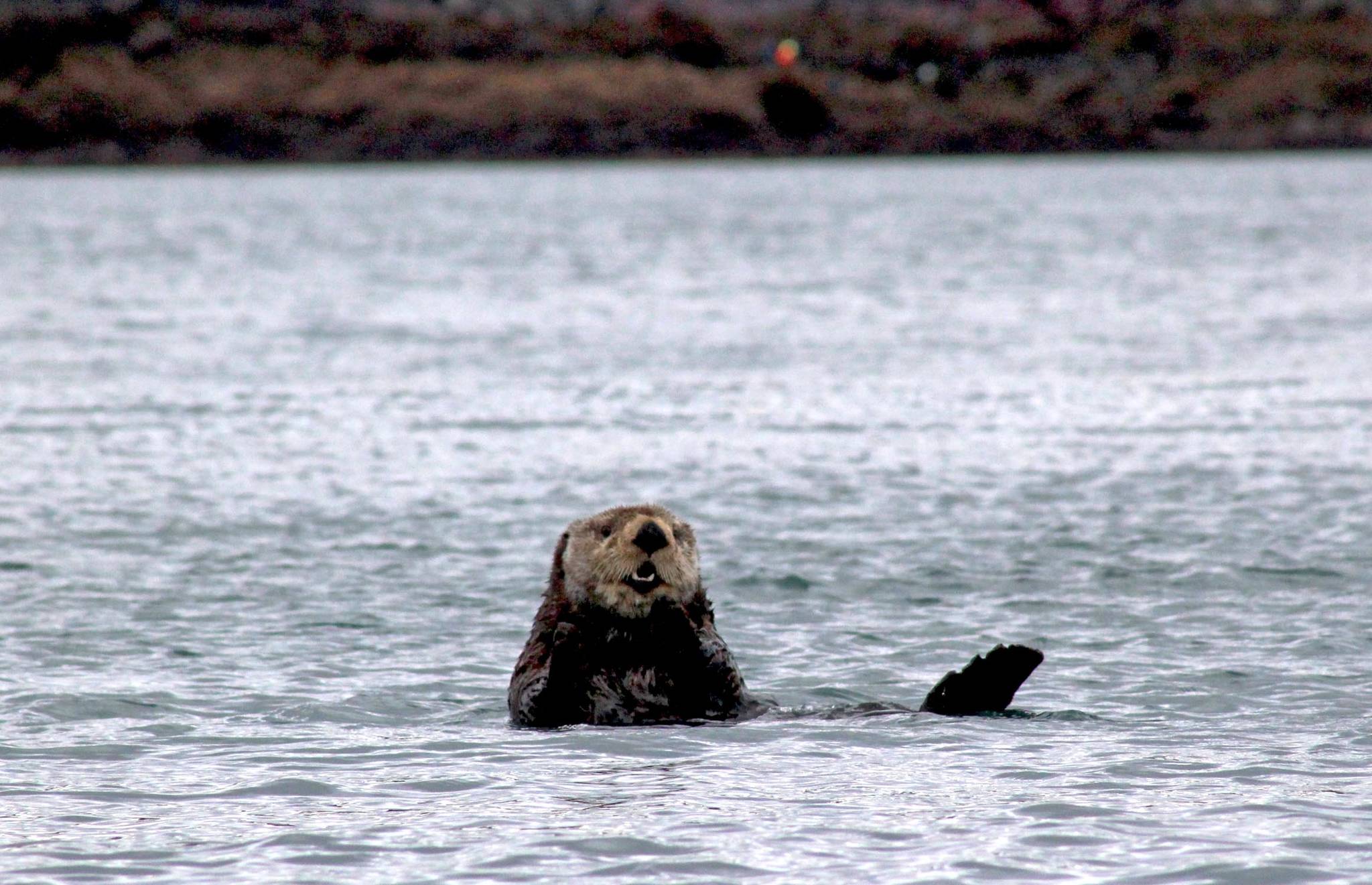
In this September 2016 photo, a sea ottes floats in Kachemak Bay near Hesketh Island near Homer, Alaska. (Photo by Ben Boettger/Peninsula Clarion)
