Speaking from experience: Holocaust survivor shares story
Published 5:57 am Thursday, September 22, 2016
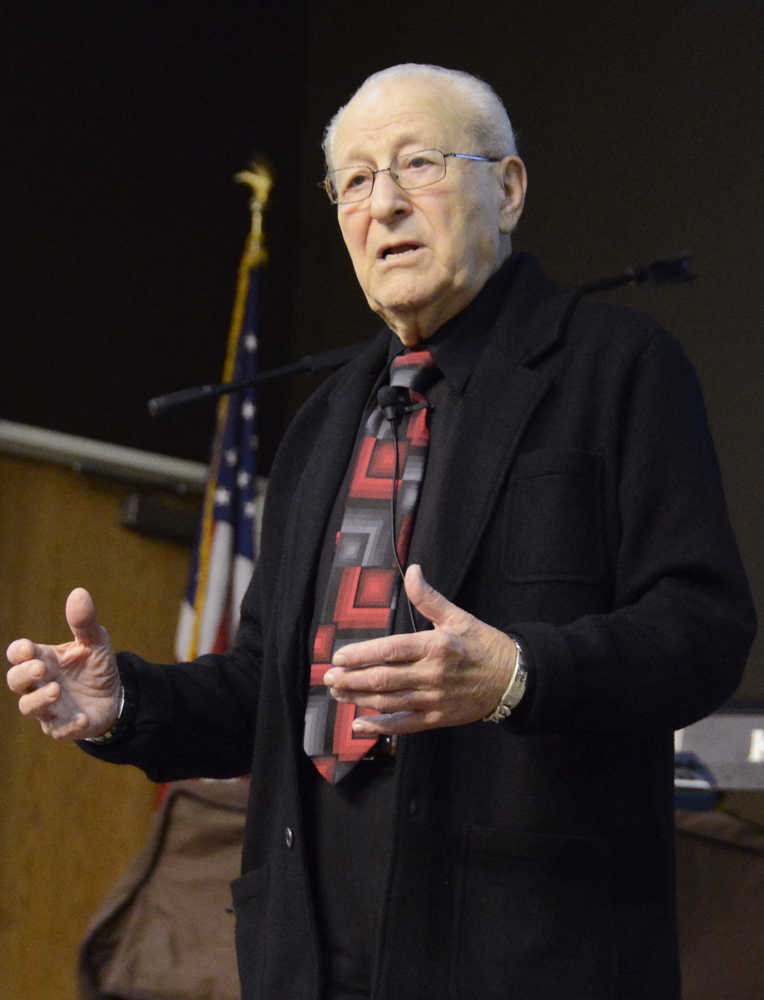
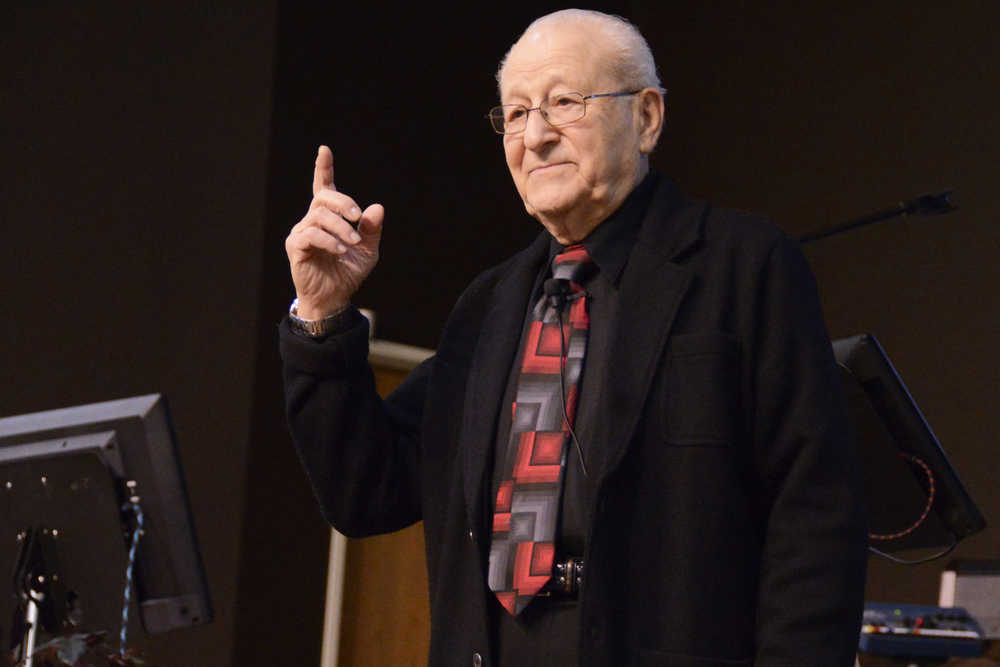
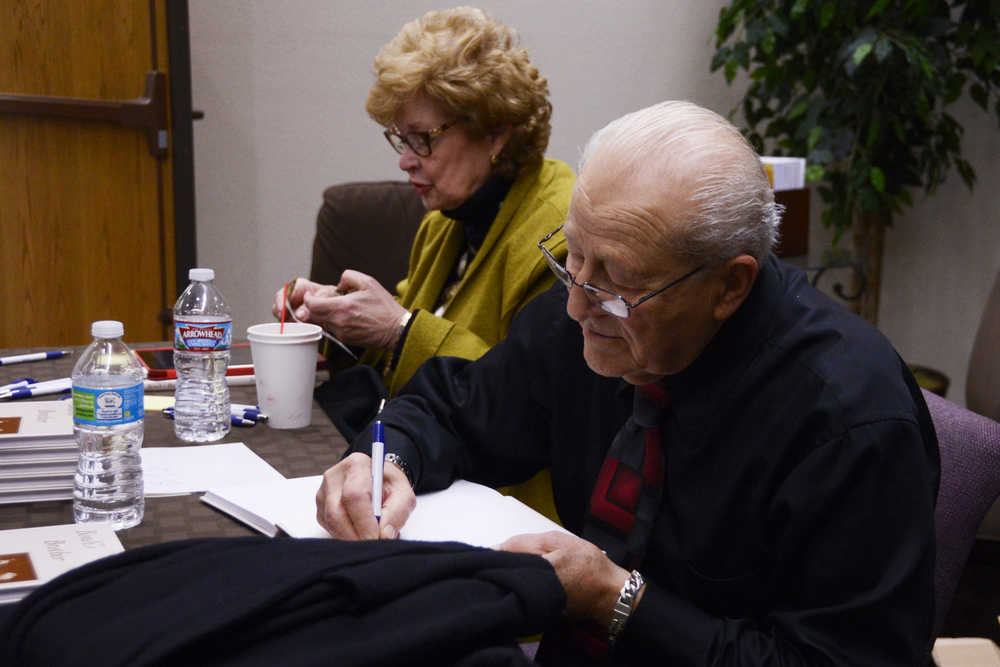
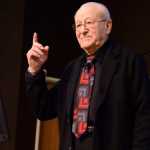
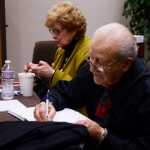
Speaker, writer and Holocaust survivor Irving Roth shared his story of survival with a large crowd Tuesday to emphasize the importance of not letting history repeat itself.
Roth spoke to dozens of people gathered Tuesday night at the New Life Assembly of God in Kenai. He made the trip to Alaska speaking for Christians United for Israel, or CUFI. The national organization was formed in 2006 and seeks to provide an association through which pro-Israel churches, parachurch organizations and ministries can jointly “support … Israel in matters related to Biblical issues,” according to its website.
Randy Neal, western regional coordinator for CUFI, said that since the two met and became friends in 2008, Roth has traveled with the organization from time to time because he agrees with the organization’s goals in supporting Israel.
“Jesus wasn’t Christian, Mary wasn’t a Catholic, John wasn’t a Baptist,” Neal said, asking Tuesday’s Christian crowd to put aside their religious differences during Roth’s presentation. “They were all Jews.”
Roth took the crowd gathered at the church through a narrative that explained not only his experience at the Auschwitz concentration camp, but the general cultural shift that took place in Europe and led to Jews being ostracized, as he saw it manifest in his childhood.
Born in 1929 in Czechoslovakia, Roth said he went to a school and lived in a town that were completely integrated. He learned alongside children of all different religious backgrounds. He told one anecdote of working up the courage to talk to and later carry books for a girl in his class, who was not Jewish. The stores and places of worship had variety, too.
“And that was my life,” Roth said. “School, soccer, getting away with whatever I could through the (help) of my grandfather.”
Things changed for Jews slowly, Roth said, beginning in 1938 when Germany occupied a portion of Czechoslovakia. By the spring of 1939, the portion of the country Roth lived in became its own nation, Slovakia.
Then things started becoming personal. One day, Roth said he could no longer go to the local park, where there was a sign reading “Jews and dogs are forbidden to enter.” Luxury items such as gold, and even Roth’s sheepskin coat, could not be owned by Jews.
Eventually, people began to change, too. By the spring of 1940, the girl whose books Roth carried said she could no longer be seen with him, he said. At this point, Jewish people were not allowed to own their own stores, so Roth said his father asked a close friend if the family could borrow his Christian name for their business. The friend agreed, but eventually took over the business from Roth’s father altogether.
Roth also described the decisions and movements that led to the concentration and death camps set up throughout Europe, like the 1942 Wannsee Conference.
“This bright, sophisticated group of people, they wanted a solution,” Roth said. “(They said) ‘We’ll create death camps, consisting primarily on the railroad tracks so we can bring the Jews in there, gas chambers, crematoriums, and there are the Jews. Bring them there, murder them by gas, burn their bodies. All that’s going to be left of the Jews of Europe is ashes.’”
Jewish people from Roth’s town began going into hiding, he said. He, along with his bother, grandparents, aunt and 10-year-old cousin, went into hiding in a town in Hungary. His parents went on to Budapest to find work.
Despite these efforts, the family, save for his parents, found themselves traveling to Auschwitz in a cattle car in the spring of 1944. Roth’s aunt, cousin and grandmother were immediately taken to the gas chambers.
“I came from a city in Hungary with 4,000 people — 24 hours later, 300 of us were still alive,” Roth said. “And 3,700 were ashes. That, my friends, was Auschwitz.”
Roth and his brother survived their time at Auschwitz, and in January 1945 were led in a death march to a different camp, Buchenwald, after which they were separated. At 15 years old and weighing 75 pounds, Roth said he knew he would not likely survive another death march on April 10, 1945, when U.S. forces were closing in on Buchenwald. Roth said he hid and was later liberated along with other teenage boys in his living quarters when American forces entered the camp on April 11.
“There’s an air raid, bombings of the cities around Buchenwald,” Roth said. “By next morning, every single guard disappears, and two American soldiers walk into my barracks. For me, my friends, the Messiah just arrived. So in case you want to know what the Messiah looks like, number one, there’s two of them. One was black and one was white.”
Upon returning home, Roth found that his parents had survived in part due to his father falling ill and being taken to a Christian hospital, and in part due to a family that took them in. The woman in the family was married to a Hungarian Nazi soldier, but he wasn’t there except for a three-day visit, during which Roth’s parents hid, he said.
All this has caused Roth to speak on the behalf of Jewish people today, he said. He believes tones of hatred and acts of discrimination similar to those that led to the Holocaust are rising again today, and urged those listening to his story to help make sure history does not repeat itself.
Roth also spoke to students at Nikiski Middle-High School earlier in the day Tuesday. He said the students were great listeners and were very interested in his story. Some who came up to him afterward asked to see his identification number from Auchwitz, others asked to shake his hand and still others asked if they could hug him, he said.
Roth will travel next with CUFI to Anchorage to present at three different schools, the Alaska Jewish Museum and the University of Alaska Anchorage to complete his trip to Alaska.
Reach Megan Pacer at megan.pacer@cmg-northwest2.go-vip.net/peninsulaclarion.