
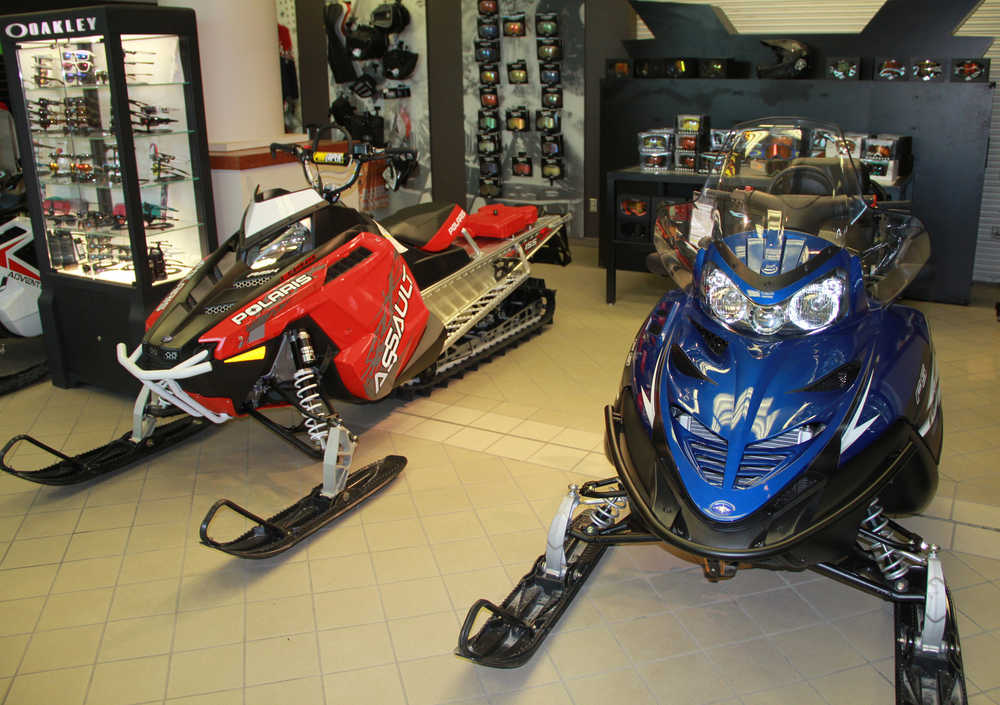
The state funds available to snowmachine clubs around the state for trail maintenance and grooming may disappear next year.
Since 1997, the registration fees that all snowmachine users pay — currently $10 per year — have gone toward trail maintenance, grooming, signage, safety and education projects through the Division of Parks and Outdoor Recreation’s Snowmobile Trail Grant Program, advised by the Snowmobile Trails Advisory Council, also known as SnowTRAC. In 2015, 47,394 people registered snowmachines in the state, according to the Division of Motor Vehicles.
Those grants go to clubs like the Caribou Hills Cabin Hoppers on the Kenai Peninsula, which maintains recreational snowmachine trails in the Caribou Hills east of Ninilchik. This year, the club will receive approximately $27,000 from the program, a little more than half of the nearly $43,000 the members requested, said Shelley Ramsey, the treasurer for the club.
A total of $216,815 will be equally divided among 17 organizations statewide for trail grooming, according to a Sept. 28 news release from the Division of Parks and Outdoor Recreation. The Division of Parks and Outdoor Recreation takes feedback from the advisory board, composed of stakeholders from across the state, on where grants should be directed, she said. It works as a reimbursement model — the local clubs groom the trails and the state reimburses them later. Additionally, about 12 percent of the fund is set aside for administrative costs. When organizations request more funding than is available for a particular year, the state works out a ratio for funding at a percentage of an amount requested, which occurred this year, Ramsey said.
The funds aren’t just for snowmachine trail grooming. Two other organizations were awarded funds for trail marking and educational signs this year. The City of White Mountain, located on the Seward Peninsula in northwest Alaska, plans to use the $10,070 grant it received to replace tripod trail markers on a 77-mile snowmachine trail between White Mountain and Nome, and the Alaska Avalanche Information Center has been tentatively awarded $10,000 to place educational signs around the state in areas prone to avalanches, according to the news release. On the Kenai Peninsula, the Alaska Avalanche Information Center plans to install them at Primrose near Moose Pass, Snug Harbor near Cooper Landing and in the Caribou Hills, according to a supportive resolution passed by the Kenai Peninsula Borough Assembly on Oct. 11.
However, next year, the funds may not be distributed at all. The snowmachine trail program was first on the list of Gov. Bill Walker’s line-item vetoes in June, sending the $250,000 appropriation to the Department of Natural Resources for fiscal year 2017 back into the general fund. State law prohibits any money in the general fund from being earmarked, but the line item is usually included on the budget.
Snowmachine clubs aren’t certain they’re going to get anything next year but are hoping the Legislature will be able to change that, Ramsey said.
“Since Gov. Walker has vetoed (the program) going forward, we don’t know what the future is for those registration monies,” Ramsey said.
The Caribou Hills Cabin Hoppers also receives funding from the Community Revenue Sharing Program, which distributes funds to unincorporated communities around the state to be used for community purposes. The group received the full amount for the community of Clam Gulch this year — $12,647 — but even that is significantly less than in prior years. In 2015, the organization received nearly $19,000 from the program and approximately $19,800 in 2014.
Most of the club’s funds go to events, maintenance, insurance and permits — the board members are all volunteers. Most of its funds come from grants and contributions, the rest from charitable gaming and membership dues. The club’s riders are all recreational and do not depend on the trails for transportation, unlike many snowmachiners in rural Alaska, but the principle is that the registration fee is a self-imposed tax on snowmachine riders to pay for trail grooming, Ramsey said.
“This money is really not that much — it’s not going to make that much of a difference, and it really wasn’t intended to be seized and used for budget shortfalls,” Ramsey said.
Kathy Lopeman, the president of the Caribou Hills Cabin Hoppers, said she hopes people continue to register their machines. Purchasers of new snowmachines are required to register them and pay a registration fee in what is called a Point-of-Sale fee. The funds for the Snowmobile Trails Grant Program come from those fees and the annual renewal fees. The club and its counterparts in Anchorage and elsewhere have talked to their legislators about the grant program and hope to present it to Walker to have the funds restored, she said.
“It’s $10 a year, but it makes a big deal if everybody registers their machines,” she said.
The Anchorage Snowmobile Association, the largest such club in the state, put out a form letter for members and concerned citizens to send their comments to legislators asking them to reverse the governor’s veto.
“The loss of State SnowTrac trail grooming funds this winter is a HUGE threat to our recreational use of ALL state land,” the club’s website states. “Without grooming, not only will you not find a safe trail home, but many areas may be permanently CLOSED for winter use if grooming can’t preserve underlying vegitation (sic) in a low-snow year.”
Reach Elizabeth Earl at elizabeth.earl@peninsulaclarion.com.
