SeaLife Center fundraising gets off to strong start
Published 10:30 pm Monday, July 13, 2020



The Alaska SeaLife Center’s fundraising efforts are off to a strong start, with the City of Seward pledging $500,000 to the nonprofit and a record number of memberships recorded Monday.
Monday, the SeaLife Center announced publicly that it needed to raise $2 million by Sept. 30 in order to avoid shutting down permanently. The SeaLife Center is facing a budget shortfall because of a two-month closure and a lack of summer visitors, both a result of the new coronavirus pandemic.
In an interview Tuesday, SeaLife Center CEO Tara Riemer told the Clarion that the fundraising efforts have already hit some big milestones.
Monday night, the Seward City Council voted unanimously to adopt a resolution that pledges $500,000 to the SeaLife Center, but only if the center can raise $1.3 million on its own. Riemer said that the promise of these funds will go a long way when seeking similar support from other municipalities or organizations.
“That will then allow us, when we’re going and talking with other organizations, to say the City of Seward is in for half a million if we raise this money elsewhere,” Riemer said.
The resolution did not establish where the funds will come from, but the city will likely use the federal money it is receiving as part of the Coronavirus Relief Package for municipalities, Riemer said.
The SeaLife Center also received a $1 million loan earlier this year as part of the federal Paycheck Protection Program, which Riemer said got the center through the months that it had to be closed to the public.
“Our costs don’t really change depending on the number of visitors we have,” Riemer said. “So we can be completely closed to the public, be very open and have low visitation or be open and have high visitation, and our cost structure does not change much.”
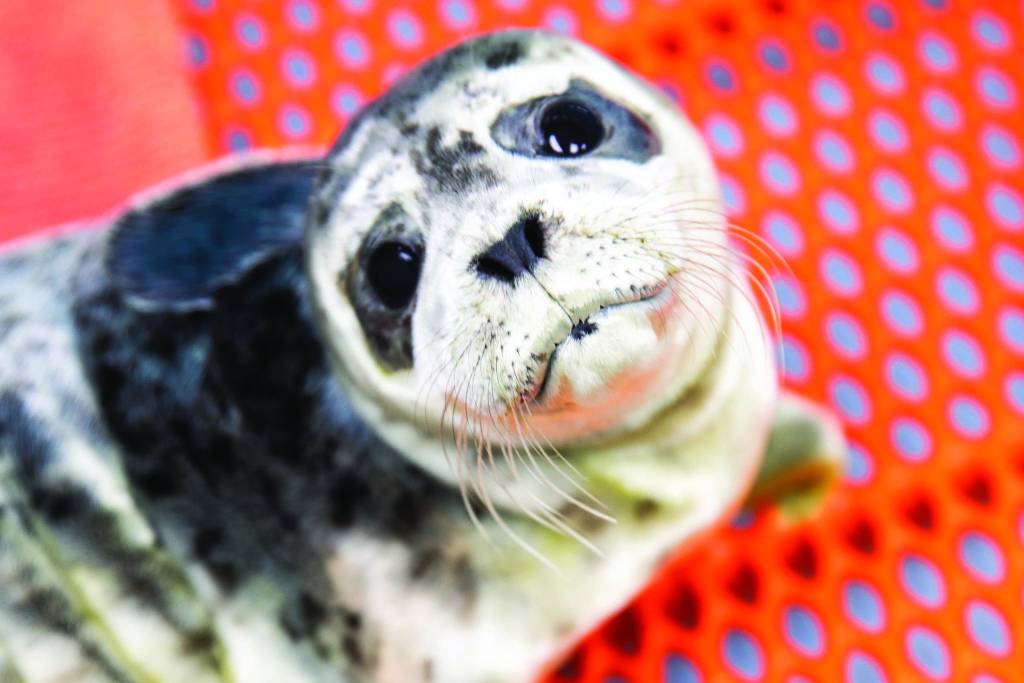
Shutting down the SeaLife Center would be a permanent decision, because the thousands of birds, fish and marine mammals that call the center home would have to be relocated to other facilities around the country. There aren’t many other facilities that can take the animals housed there.
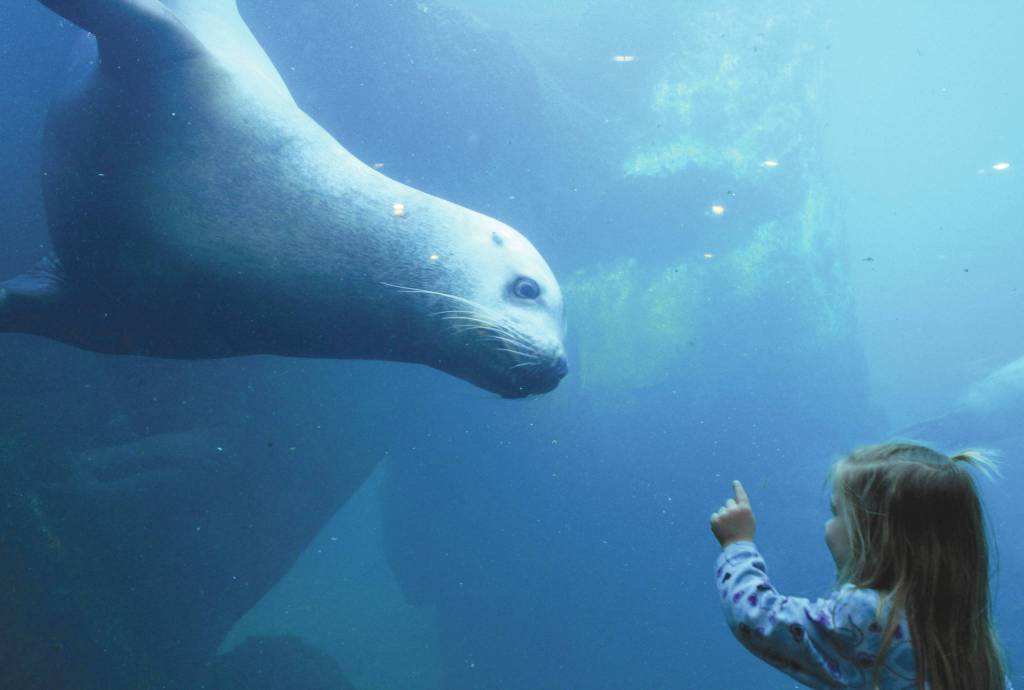
The SeaLife Center is one of only three facilities in North America that can house Steller sea lions, for example, so relocating 17-year-old Mara, 11-year-old Pilot and their newborn female pup would be a big challenge.
“With a lot of the fish and invertebrates, too, they’re generally collected by our staff and it’s been 20 years worth of collection,” Riemer said. “And some of the animals have been here for quite a long period of time, so it’s no small effort to do that.”
In addition to the money promised by the City of Seward, Riemer said that membership for the SeaLife Center is at an all-time high, with over 600 people signing up or renewing their membership Monday, the day the center made its announcement about potentially shutting down. That accounts for more than a quarter of their typical annual membership, Riemer said, and by noon Tuesday over 100 more memberships were logged.
“We’re actually at a record membership level already with these two days, so my hope is that this is a way that we can engage more people in Alaska to support us on an ongoing basis,” Riemer said. “Because our overall financial sustainability is, we’re always a little bit on the edge.”
Riemer, who has worked at the SeaLife Center since 2003 and served as the CEO since 2012, said that the SeaLife Center’s business model “was flawed from the very beginning.”
“The number of visitors expected was double what it’s ever had,” Riemer said. “So we have been in this spot of trying to figure out how to get to a sustainable point for 22 years.”
The average number of visitors to the SeaLife Center each year is about 160,000, but this year, due to COVID-19, the center has been operating at about 25% capacity. Riemer said that, beyond raising $2 million to make it through the winter, her goal is to transition the center into a more sustainable business model, because there is no guarantee that next summer will be business as usual.
“The $2 million is really just a start, because we don’t know what next summer will be,” Riemer said. “There’s a chance that next summer will be reasonably normal. There’s also a very good chance that it’s going to be not anywhere close to normal. We just have to do the best we can, and hopefully the people of Alaska will want us to continue.”
To learn more about membership or making a donation, visit alaskasealife.org.