Russian River opener approaches
Published 12:56 am Wednesday, May 31, 2017
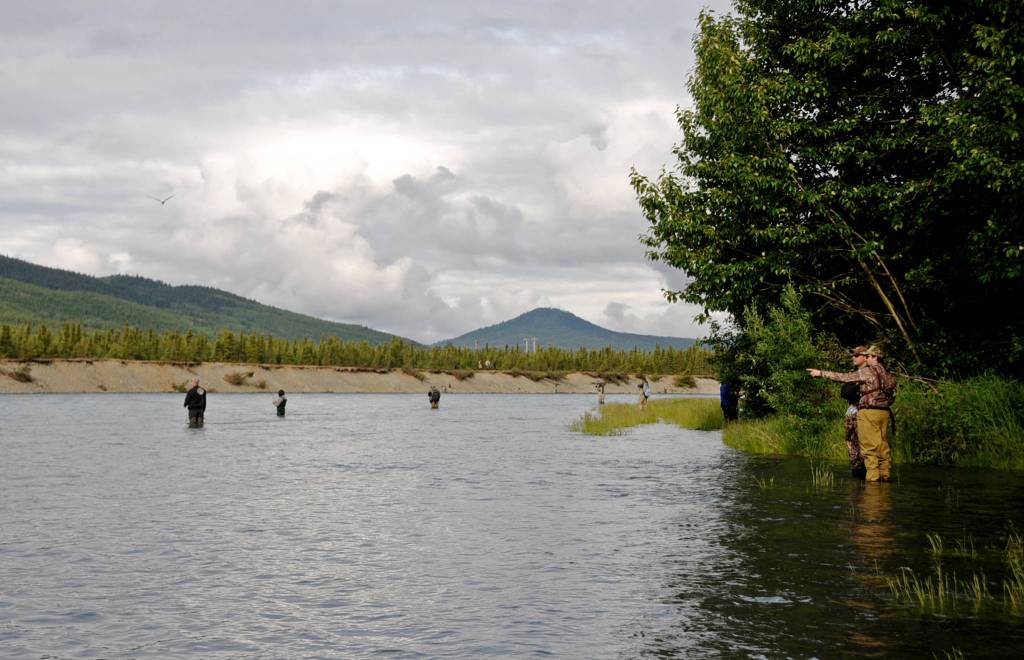
Resident anglers and visitors from all over the world will soon be making their first pilgrimage of the year to the Russian River for a chance at some of the famous sockeye salmon.
With the opener scheduled for June 11, fisheries managers and agencies are gearing up for the season. The Russian River and Kenai River confluence is one of the most popular sportfisheries in the state, with anglers lining both banks of the Kenai River and the walkways along the Russian River. More than 25,000 anglers fished a total of more than 55,000 angler days on the river in 2015, according to the Alaska Department of Fish and Game’s Alaska Sport Fishing Survey, second only to the stretch of the Kenai River between its mouth and the Doug Douthit Veterans Memorial Bridge in Soldotna.
The fishery is cooperatively managed between multiple agencies. The U.S. Forest Service manages the fishing walkways and campground along the Russian River’s mainstem, while the U.S. Fish and Wildlife Service manages the ferry and Sportsman’s Landing on the Sterling Highway. Fish and Game manages the fishery itself through a weir on Lower Russian Lake and the Alaska Wildlife Troopers and Alaska State Parks rangers provide enforcement. Fish and Game biologists don’t produce a separate forecast for the Russian River sockeye run. The sockeye usually come in an early and late run, divided around July 15, with an escapement goal of 22,000–42,000 for the early run and 30,000–110,000 sockeye for the late run.
This summer, the Forest Service and Fish and Wildlife are stepping up efforts to work together to provide information to anglers, said Matt Conner, visitor services manager for the Kenai National Wildlife Refuge. Fish and Wildlife workers and Forest Service employees will pair up to make sure anglers are following best practices for keeping bears away from the high-traffic area and following regulations, he said.
“I think it makes it feel safer, but of course we let them know we are not there to protect them from bears,” he said. “It’s all in education.”
Bears have been a problem at the fishery before, as thousands of sockeye are caught and filleted in a wooded region that provides prime habitat for brown and black bears. It’s been more than a decade since a bear mauling happened at the campground or fishery, but bears do wander through the area, either fishing for themselves or pursing the smells that campers and fishermen bring with them.
Last year was a light year for bears, but it’s always a distinct threat. The refuge and forest service officers always try to educate people on safety, such as taking fish out whole when possible and keeping backpacks close so bears don’t try to make off with them and become habituated to human food, Conner said.
The officers are also there to provide fishing advice for anyone who’s looking for a little help on technique, he added.
“If they see us walking around the river, it is perfectly OK to walk up and ask what (they’re) doing wrong (while fishing),” he said.
Fish and Wildlife recently completed a project to add additional stairs to the banks of the Russian River on the southern bank, providing additional access to the water while protecting the banks, and revegetated some of the damaged areas. The last thing to do is to add habitat fencing to protect the restored area, which should begin next week, Conner said.
Citizens also contribute to protecting the river habitat and cleaning up trash on the Russian River through the Stream Watch program, organized through the Kenai Watershed Forum. The first orientation for 2017 will be held June 3 in Cooper Landing. Volunteers can participate in a number of different one-day projects throughout the summer, cleaning up trash and mending fences, or can sign up to be a Stream Watch Ambassador by committing to at least 24 hours on the river throughout the summer to educate anglers and contribute to river habitat.
Stream Watch originated as a cooperative program between a group of citizens and the Chugach National Forest in 1994, focused on the Russian River as the fishery ballooned in popularity. However, the volunteers also focus on other high-traffic areas such as Moose Range Meadows, Bings Landing, Centennial Campground in Soldotna and the mouths of the Kenai and Kasilof rivers, said Alice Main, the Stream Watch coordinator for the Kenai Watershed Forum.
“We generally do a lot of outreach. Anyone we meet down there, we try to make contact with folks, educate them on how awesome our river is and how we can protect it, what the regulations are and try to clean up garbage,” she said.
Volunteers recover and recycle what fishing line they can and put up temporary habitat fencing to protect sensitive areas of the bank so salmon fry have places to hide, Main said. Even if people don’t want to commit to being an ambassador, they can always step up for the one-day events, such as cleaning up trash off the Kasilof beach or putting up habitat fencing, Main said. The coordinators are still working on dates for some of the stewardship events this summer but will advertise them as they get closer, she said.
One event they do have planned is a float down the upper part of the Kenai River on June 17 to clean up garbage.
“I think we’re going to have a pretty decent flotilla of people,” Main said. “…We’re pretty excited about that. It’s nice to get people on the river who actually want to protect it and care about it.”
Reach Elizabeth Earl at elizabeth.earl@cmg-northwest2.go-vip.net/peninsulaclarion.