Kenai raises airport fees
Published 1:26 am Friday, June 1, 2018
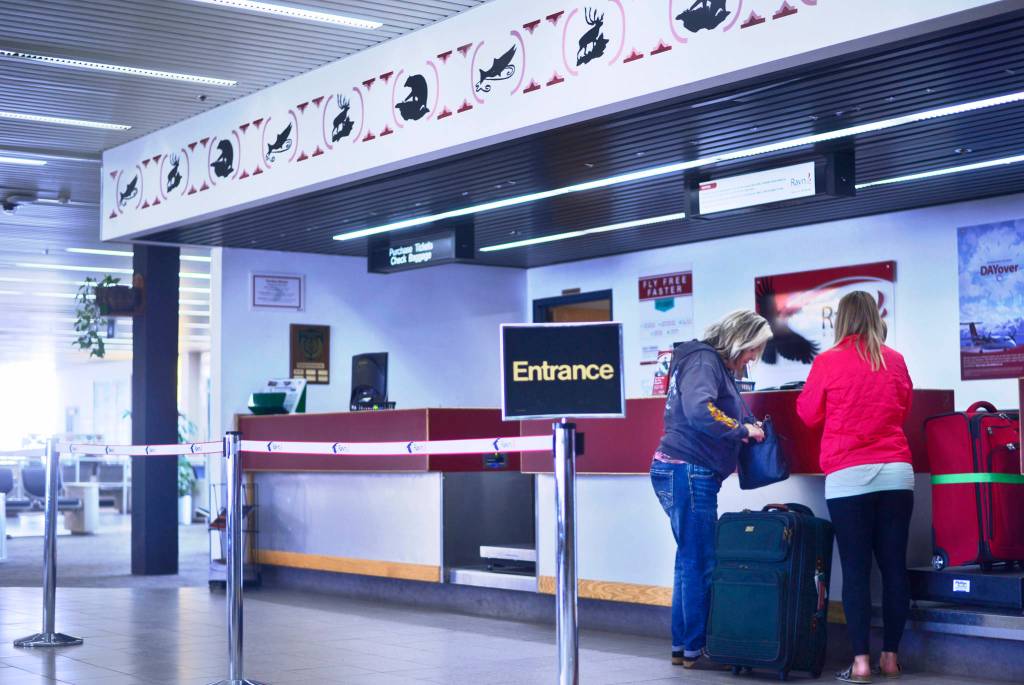
The two scheduled airlines that operate from the city-owned Kenai Muncipal Airport will pay more toward its operating costs with the government’s planned increase in terminal rents and landing fees.
The increases are scheduled to take effect with Kenai’s new fiscal year on July 1 when Kenai renegotiates its existing lease agreements with the two airlines, Ravn Alaska and Grant Aviation. Ravn would pay the city 14.4 percent more for its airport use, and Grant 6.4 percent more, based on each company’s market share at the airport and the areas they use inside and outside the building.
Rates also will go up for rental car companies with sales counters in the terminal, but not the terminal’s bar and restaurant, which operate under different agreements.
Kenai has budgeted around $3 million for annual airport spending in recent years. The largest share of airport revenue — about 37 percent in the current fiscal 2018 budget, similar to other recent budgets — comes from the earnings of an airport-dedicated investment fund.
Proceeds from the city’s sales of lands dedicated to the airport go into the investment fund.
The activity of airport users generates less. In the fiscal 2018 budget, rents from businesses on city-owned, airport-dedicated land contribute about 20 percent of airport revenue. Landing fees contribute about 11.78 percent, while other useage fees for aircraft parking and fuel sales contribute 1.8 percent.
At the airport terminal, car parking fees and rent from terminal businesses — including the airlines — contributed about 9 percent each, while car rental commissions generated an additional 6.1 percent of the city’s revenue. Total collections from terminal activity is 26 percent.
“In not so polite terms, the permanent fund of the airport is subsidizing the operations of every operator on the airport,” Kenai Finance Director Terry Eubank told council members at a May 19 work session on the upcoming budget. Eubank presented the increase proposal, which he had developed with City Manager Paul Ostrander, Airport Director Mary Bondurant and consultant Steve Horton.
To increase Grant and Ravn’s share, Kenai administrators plan 5 percent increases to landing fees (charged per thousand pounds of landed weight) and to the square-footage rates the airlines pay for offices, ticket-counter space, baggage handling areas, and the tarmac outside the terminal where their planes park for boarding.
Grant and Ravn will pay individually for the office and counter space they each use, but for areas that both use — the passenger seating, baggage-handling space, and arrival and departure hallways, the charges will be allocated by the percentage of the passengers that each boards at the terminal — Ravn 76.2 percent and Grant 23.8 percent.
Ravn, which flies larger planes, rents a larger area outside the terminal where passengers board, and pays more for that space.
Eubank said May 19 that the increase is “certainly not going to break the bank” for Ravn or Grant, citing measures Horton produced of the airlines’ cost paid to the airport per boarded passenger and how it would change with the increase — for Ravn, from $5 to $5.49 per passenger, and for Grant, from $4.59 to $6.11 per passenger.
Representatives of Ravn and Grant did not respond to requests for interviews by press time Thursday evening.
Kenai is budgeted to take in approximately $507,000 from the airlines this year, according to an email to Grant and Ravn officials from Kenai airport manager Bondurant — an amount “substantially less than the full cost recovery of expenses required to operate the terminal and airfield facilities,” she wrote.
“The airport charges lower cost-recovery rates and charges because the city recognizes that full-cost rates are not economically feasible at its current level of aviation activity,” Bondurant wrote.
Reach Ben Boettger at bboettger@cmg-northwest2.go-vip.net/peninsulaclarion