Kenai Peninsula heritage area faces uncertain future
Published 7:30 am Thursday, March 27, 2025


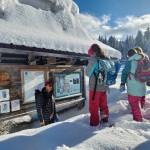
A national heritage area that provides education and resources to the Kenai Peninsula is among the local organizations feeling the effects of a federal funding freeze instituted earlier this year by the Trump administration.
According to Executive Director Rachel Blakeslee, the Kenai Mountains-Turnagain Arm National Heritage Area lost all appropriated funding and subsequently regained access to about half of it. The status of their future funding is unclear.
“We are now bracing for the possibility of a significant or complete loss of future federal support, including grants, contracts and appropriations,” Blakeslee wrote in a March 5 email newsletter. “Compounding this uncertainty, several of our open, privately funded, non-federal grants are now under review for alignment with recent Executive Orders.”
If these private grants are deemed “out of compliance,” they could be terminated, requiring the already allocated funds to be returned.
This puts the organization’s actively planned initiatives at risk. Blakeslee said this includes year-round education initiatives that serve more than 1,000 children, annual events that engage hundreds of people, and key partnership projects “in trail maintenance, environmental stewardship, and cultural interpretation.”
National Heritage Areas are designated by an Act of Congress, and funding is supposed to be provided by the National Heritage Area program through the National Park Service.
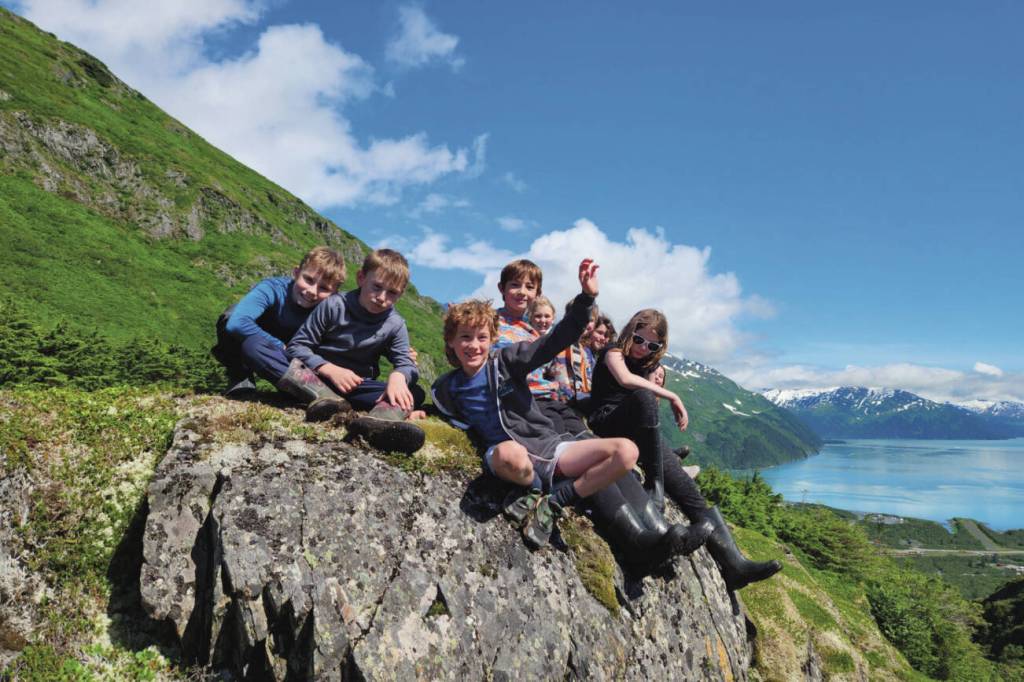
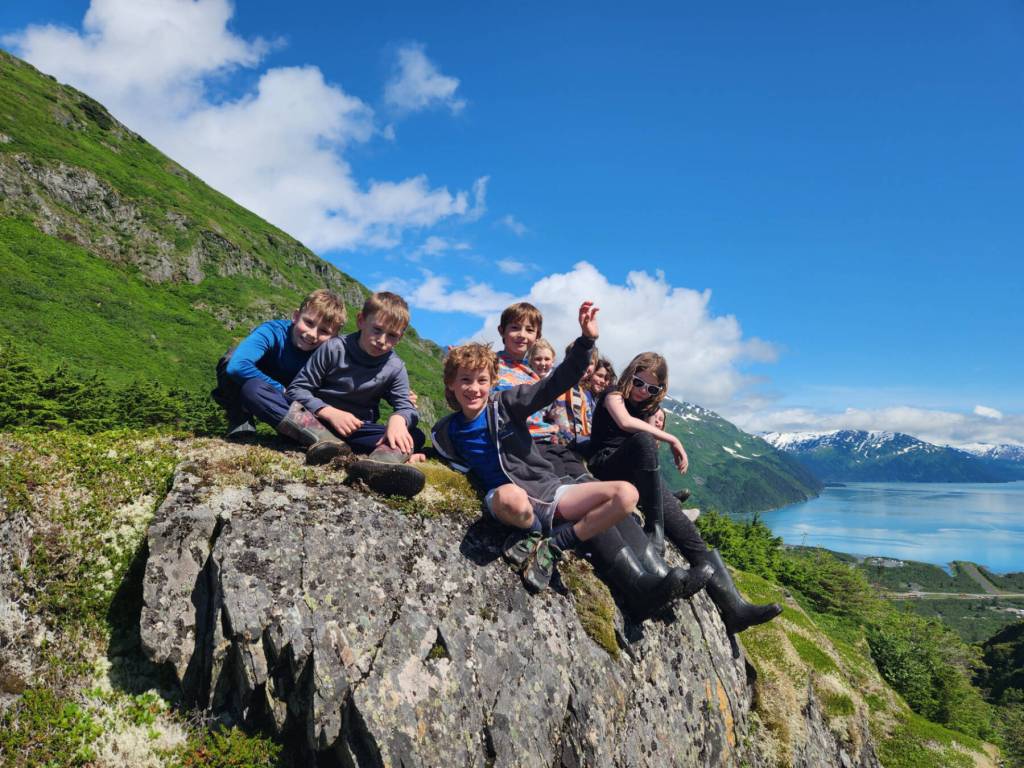
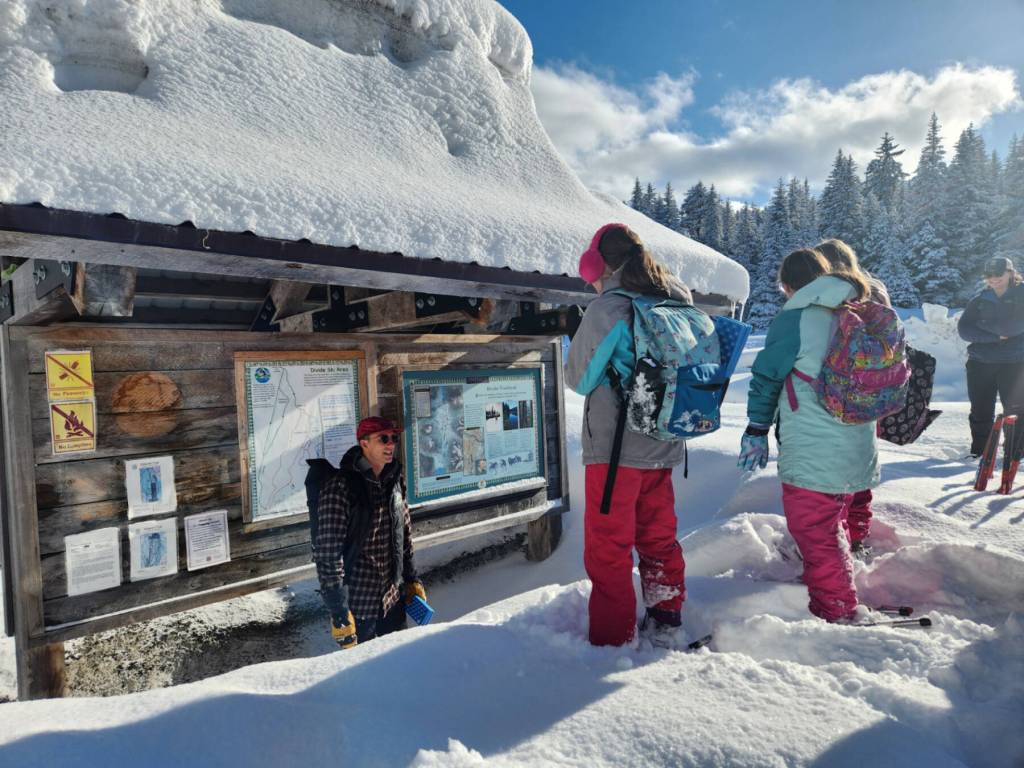
Kenai Mountains-Turnagain Arm National Heritage Area is known for its expansive program offerings for Alaska youth, including Alaska Outdoor School and SnowSchool, events like the Backcountry Film Festival and Mineshaft Grinder (a fundraiser for the K-12 school that serves Hope), and grant opportunities for projects that steward the natural, cultural, and historic resources of the heritage area.
Over the last 15 years and counting, the organization says it has invested more than $1.5 million into its operating region, which NPS describes as “the mountainous region of the Kenai Peninsula that runs north/south from the communities of Bird/Indian and Girdwood, through Moose Pass, to the City of Seward including Cooper Landing, Sunrise, and Hope to the west, and Portage, Whittier and the waters of Prince William Sound to the east.”
Blakeslee said in an interview with Homer News on Friday, March 21, that most of the area’s programs were created to grow with demand. While she says the demand is there, the ability to offer programs at low cost is diminishing; without federal subsidies, the families of children interested in participating would have to pay the extra costs, out of pocket instead.
“The programs themselves are designed to not be cost-prohibitive,” said Blakeslee. “They’re supposed to be accessible; they’re supposed to be low cost. We’re not in the business of making money. We’re a nonprofit that is supposed to benefit the public. But now we’re having to look at our revenue models in the future and decide whether or not we’re going to have to substantially increase program fees.”
Blakeslee said KMTA has been asked to rewrite and resubmit grants they were already selected for, planned on receiving, and, in some cases, had already spent money from. They’re not the only organization that’s been asked to do this, either.
“You’re sort of stuck in this process of rewriting grants that you already received, which is taking time away from being able to apply for new funding, and now we’re in this increasingly competitive funding landscape,” Blakeslee said. “Because all these nonprofits across the state are feeling the same stresses, and because our state is still reliant on federal funding for all sorts of services, including our nonprofit organizations, we’re all competing that much more for a very limited pool of private wealth.”
The impact of mass federal layoffs across departments has created tension among remaining federal staff and barriers to communication with outside organizations. Blakeslee said this can make it difficult to maintain partnerships between public and private entities, something she worries stems from fears of retaliation among federal staff members working in a quickly changing landscape.
“We’re very reliant on those public-private partnerships, and that includes all other federal employees, many of whom have now been laid off. Those that are remaining are being directed that they’re not allowed to take meetings with us or with their partners without lots and lots of layers of approval first,” Blakeslee said Friday. “A standard meeting you might have with a grant contact or your partner organization to talk about a project you’re working on now has to go through all these steps just to get approval to have a meeting. The remaining employees are sort of stuck and operating in limbo and not really able to even move the work forward.”
Blakeslee said she’s reached out to Alaska’s congressional delegation for help but received little in the way of a response.
“I’ve heard back from (Sen. Dan) Sullivan’s office, from (Rep. Nick) Begich’s office, but really just an acknowledgment that they received my letter, my plea for help,” said Blakeslee. “We provided a lot of information about the effectiveness of our organization, not just in terms of the intrinsic value of programs and services that we provide to communities, but also around the economic impact of our organization. We generate almost a three-to-one match for every federal dollar that we spend. We generated over a million dollars in non-federal matches with the limited appropriations we received. We have not received any appropriations for FY25 nor guidance on if we will receive any or how much that might be.”
Blakeslee noted that KMTA is over halfway through their fiscal year, which runs Oct. 1 through Sept. 30, 2025.
She said the only office that has been mildly receptive has been the office of Sen. Lisa Murkowski.
“When our funding first froze, I was able to speak with some of her (Murkowski’s) staffers, her director of education, her state director and a few of her staffers on the appropriations team. And I will say, I haven’t had a meeting since then, as things keep changing, but I would say that typically, I am more successful in getting a response from Sen. Murkowski’s office.”
For more information about the Kenai Mountains-Turnagain Arm National Heritage Area, visit kmtacorridor.org.