Judge blocks logging in the Tongass, for now
Published 1:15 pm Monday, September 23, 2019
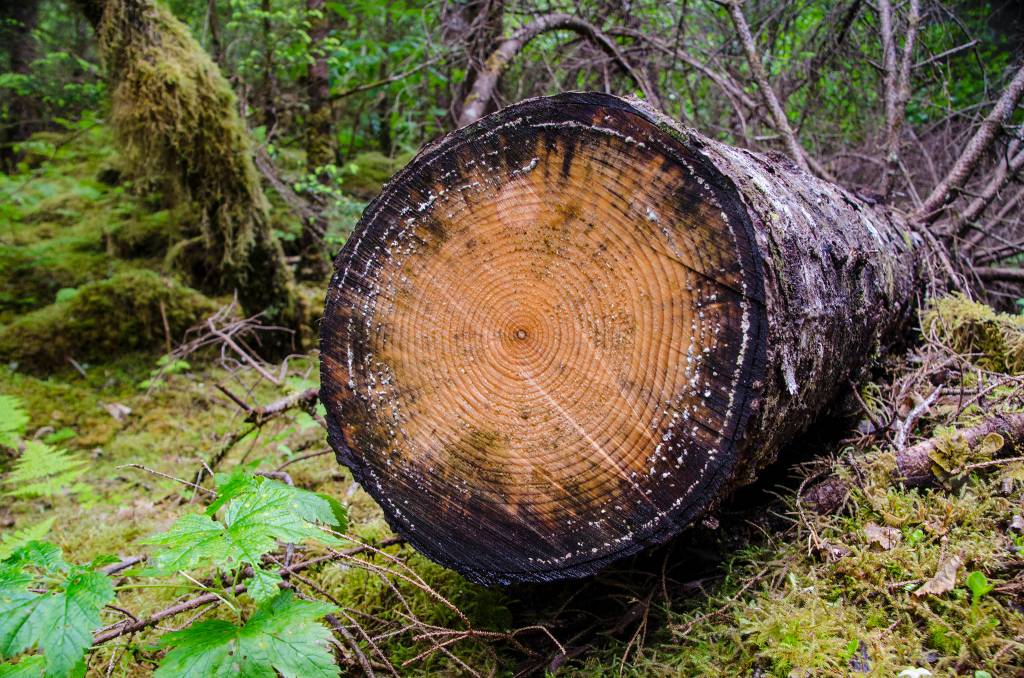


A federal judge ordered a preliminary injunction Monday halting the sale of nearly 1,200 acres of old-growth trees in the Tongass National Forest.
The U.S. Forest Service was planning to allow logging on 1,156 acres of land on Prince of Wales Island, according to the injunction, but a federal judge in Anchorage determined that, “the balance of harms tips sharply in Plaintiffs’ favor.”
The plaintiffs in this case are a number of environmental organizations including Southeast Alaska Conservation Council, Alaska Rainforest Defenders and the Sierra Club which are being represented by the law firm Earthjustice.
Those groups filed a complaint in May which argued that the Forest Service had failed to adequately produce environmental impact statements to the standards required under the National Environmental Protection Act.
The land in question is part of what the Forest Service calls the Price of Wales Landscape Level Analysis (POW LLA), which according to the project’s website, “is to improve forest ecosystem health … help support community resilience, and to use an integrated approach in meeting multiple resource objectives in order to provide economic development.”
However, plaintiffs in the case argued the Forest Service didn’t specify exactly where and when logging would take place, making any environmental impact report substandard.
One of the lawyers arguing the case for Earthjustice, Olivia Glasscock, told the Empire Monday that the Forest Service “didn’t provide site specific information to understand where logging would take place or what the impact would be to wildlife, to subsistence or various other resources.”
The Forest Service is supposed to issue what are called “unit cards” which display where logging will take place and where roads will be built. But that information was not provided to the public before the Forest Service made their decision to allow logging.
“They’re saying they don’t have to tell the public where exactly they’re going to log beforehand,” Glasscock said.
Dru Fenster, Public Affairs Specialist for the Forest Service Alaska Region said in an email Monday that the Forest Service, “has no information to share at this time since the matter is in litigation.”
On the POW LLA website, the Forest Service says, “the specific locations and methods will be determined during implementation based on defined conditions in the Final Decision and on activity cards.”
But according to Buck Lindekugal, grassroots attorney for the Southeast Alaska Conservation Council, that late disclosure makes public comment effectively meaningless.
“Without being able to specify the location and timing … people were shown maps without detail,” Lindekugal said. “If you don’t have specifics, you can’t participate meaningfully.”
The injunction is not a decision in the case. It’s a ruling which says that the judge at this time believes there is enough doubt about the Forest Service’s arguments that no logging should take place.
In her injunction, Ninth Circuit Court Judge Sharon Gleason agreed with the plaintiffs that the Forest Service failed to properly designate where logging would occur.
The Forest Service, “did not identify the specific sites where the harvest or road construction would occur,” she wrote.
Gleason noted the financial harm that would incur to the timber industry and the Forest Service, who claimed the profits for timber sales would fund other projects. However, “The preliminary injunction that Plaintiffs request would have a relatively short duration, intended to maintain the status quo only until the Court issues a decision on the merits,” she wrote, saying that she intends to release a decision by March 31, 2020.
Glasscock said the Forest Service’s lack of due diligence was part of a larger effort by the Trump administration and the Forest Service to open up the Tongass National Forest.
Early this year the Trump administration, with support from Gov. Mike Dunleavy, have expressed a desire to rollback protections on the Tongass in order to allow for expanded logging.
Environmentalist have argued that the Tongass serves as an important asset not just in Alaska’s ecosystem, but as a one of the largest carbon absorbing forests in the world.
• Contact reporter Peter Segall at 523-2228 or psegall@juneauempire.com.