Dead yellow cedar could be a viable timber product, study says
Published 3:00 am Monday, January 6, 2020
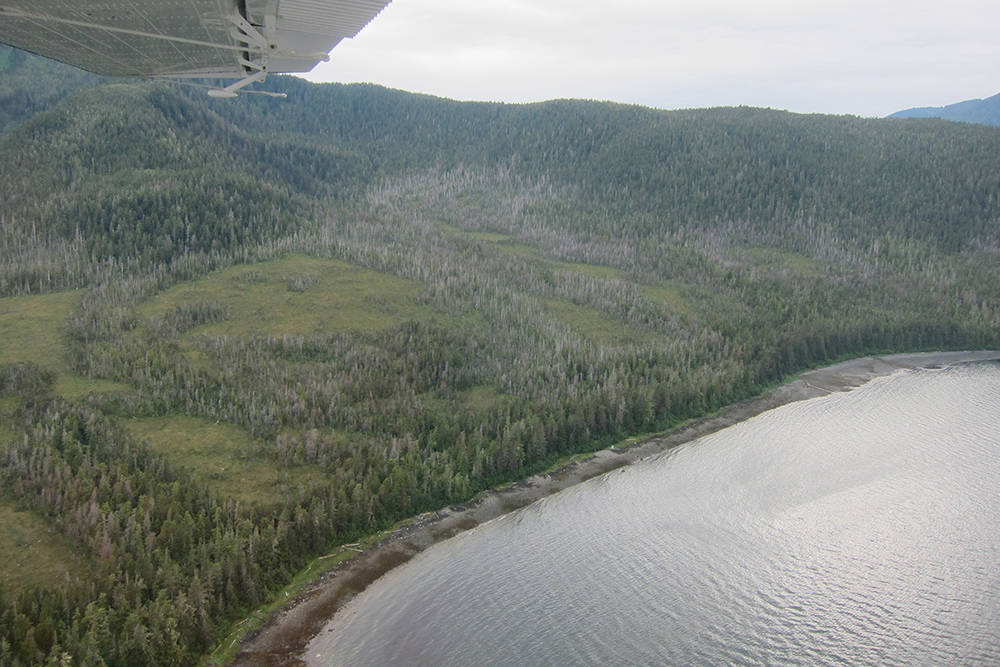
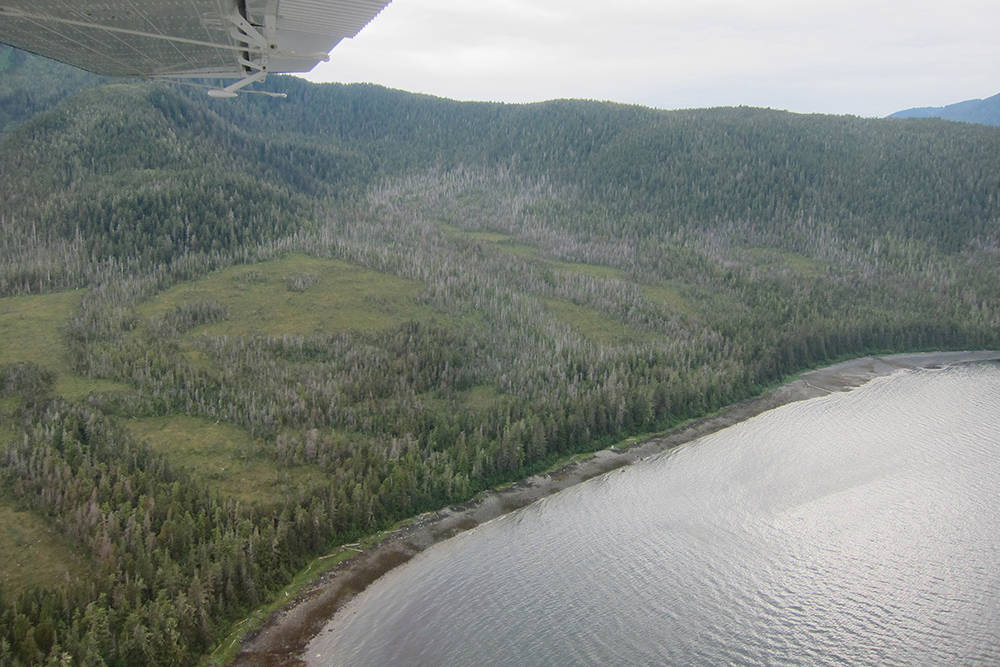

As warming temperatures in Southeast Alaska continue to kill off more and more yellow cedar, a group of researchers see an opportunity for logging the dead wood.
A new study from the Alaska Coastal Rainforest Center and the University of Alaska Southeast looked into the viability of harvesting the growing numbers of dead yellow cedar trees.
“We went into this project because we know there were these stands of dead wood,” said Allison Bidlack, director of the ACRC. “If you wait much later, you get past 30, 40 years, the wood properties start to degrade.”
Bidlack and her team wanted to look at whether harvesting these dead trees could be a profitable enterprise for small mill operators in Southeast Alaska.
The answer, according to the study, is a highly qualified yes. Dead cedar can still be a high enough quality to bring to market, but the main problem is accessing it, the study says.
“Yellow-cedar usually represents a small percentage of a timber stand’s total volume, many stands that look promising for salvage at first glance are actually made up of widely scattered trees and are not practical sites for efficient harvesting,” the study says.
There are a number of other impediments to harvesting cedar, such as equipment and mill processing, but the researchers believe the wood presents an economic opportunity.
Bidlack and her colleagues worked with the U.S. Forest Service and five mill operators in Southeast to determine the viability of dead yellow cedar harvest.
“They were or already had been working with dead yellow cedar,” Bidlack said. “They had had varying experience. The longer the tree’s been dead, the more difficult it can be to work with it. Most of them would like to work with it because it’s valuable.”
Yellow cedar is an attractive wood for lumber harvest because of its high resilience, according to Wes Tyler, co-owner of Icy Straits Lumber in Hoonah.
“It’s attractive to people in general because it’s so resistant to rot. You can use it for outdoor structures, picnic tables, posts,” Tyler said.
Tyler said he has harvested dead cedar in the past, and it is potentially viable for market, but echoed the study’s conclusion that reaching the wood was the most difficult part.
“It can be viable if you can get to it,” Tyler said. The problem, according to Tyler was finding the nearest access point, whether it’s by road or by water. “All that stuff (the trees) is very heavy, and requires expensive equipment,” Tyler said.
The easiest way to make the trees more accessible, Tyler said, was to build roads. Tyler supports fully exempting the Tongass National Forest from the Roadless Rule.
Owen Graham with the Alaska Foresters Association said he too had harvested dead cedars but it didn’t end up being profitable.
“I wouldn’t be interested,” Graham said about future dead cedar harvest. “We were clear cut logging, and there was dead yellow cedar in there and the Forest Service asked us to remove it.”
Graham said he was able to sell the wood locally but international customers, his typical cedar customers, weren’t interested. Graham did say he didn’t know how long the trees had been dead, which affects wood quality.
There are also a number of bureaucratic hurdles, such as land sales conducted by the Forest Service, which add costs to harvesting dead yellow cedar.
The study looked at six mills, listed as mills A-E. Determining the profitability for each mill is difficult because each employs different methods for harvest and processing.
“Cost factors among mills that lead to differences in revenue included logging, milling, and transportation,” the study says. “Logging costs were highest for Mill C since these trees were obtained using selective helicopter logging, transportation costs were highest for Mill D, as these logs were shipped to Ketchikan via barge.”
Researchers were surprised by differences in revenues among the mills, but feel that with some changes, and possibly training, mill owners could use dead cedar for extra revenue.
As climate change kills more trees, harvesting presents an opportunity for forest management as well, the study says.
“Our new climate reality driving yellow-cedar mortality across much of the Tongass,” the study concludes, “presents an opportunity for a new approach to forest management and a forest products industry in Southeast Alaska.”
• Contact reporter Peter Segall at 523-2228 or psegall@juneauempire.com.