
Three companies have filed claims in federal bankruptcy court seeking more than $2.6 million in unpaid bills owed by Cook Inlet Energy LLC.
Baker Hughes Oilfield Operations Inc., MI-SWACO, and Schlumberger Technology Corp. filed an involuntary bankruptcy petition against the Alaska-based subsidiary of Miller Energy Resources citing payment owed for goods, materials and services.
The companies filed with the U.S. Alaska Bankruptcy Court in Anchorage on Thursday, but a summons was not issued to Cook Inlet Energy until Friday according to court documents. It is unclear from the court filings where the unpaid work was performed.
No one from Cook Inlet Energy or Schlumberger returned calls for comment on Friday. A communications spokesperson from Baker Hughes said she would look into the matter.
It’s the latest in a series of financial blows for Miller Energy Resources, which was delisted from the New York Stock Exchange July 30 after its stock price fell, and stayed, below listing standards for market capitalization.
Presently, it is trading at 13 cents per share.
On Thursday, the U.S. Securities and Exchange Commission announced charges against two former Miller Energy executives along with an accountant who audited Miller’s finances.
The SEC alleges that the company’s former Chief Financial Officer Paul W. Boyd and Chief Executive Officer David Hall falsely inflated the values of the company’s Alaska assets by more than $400 million.
An accountant, Carlton Vogt, was also charged in connection with the case for his role in auditing the company and failing to notice irregularities or comply with accounting standards, according to the SEC order.
The company’s CEO David Hall resigned as a result of the charges and the company issued a response to the SEC’s notice of charges on Friday stating that it took the allegations seriously and is working with its Board of Directors to take action.
“The (SEC) elected to file its proceeding before an administrative law judge employed by the Commission itself,” Miller responded according to its press release. “Miller Energy intends to note its objection to this, preferring that the issues raised over the now five-year old (sic) valuation be heard in the more neutral forum of the federal courts.”
Additionally, in March, VAI Inc. won nearly $7 million from Miller Energy Resources over a contract dispute; Miller intends to appeal, according to its fourth quarter results report.
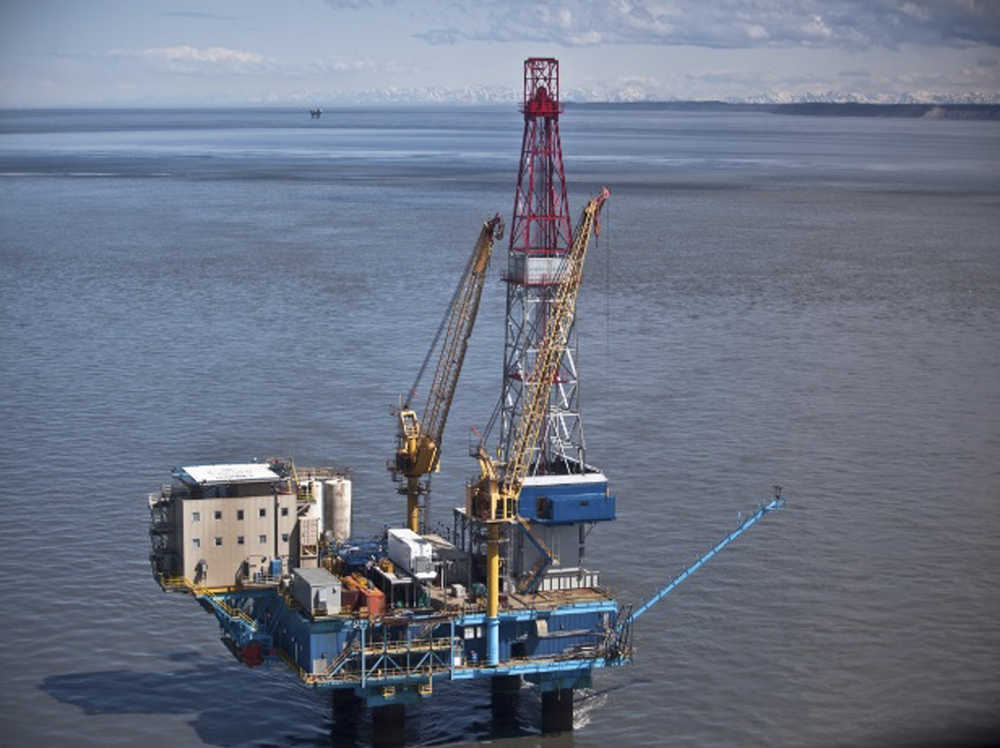
Houston-based Miller Energy Resources owns Cook Inlet Energy, or CIE, which has produced and explored primarily in Southcentral Alaska. Currently, CIE is developing the Redoubt Unit and the West McArthur River Unit on the west side of Cook Inlet and the North Fork Unit near Anchor Point.
In December 2014 it purchased a two-thirds stake in the oil-producing Badami Unit on the North Slope.
The company has benefitted heavily from Alaska’s tax credits program. In July, it told investors that it had recently received about $9.3 million in cash state tax credits and expected $27.2 million more by the end of August. It also told investors that it had applied for nearly $6 million more.
During a July 29 conference call with investors, Miller Energy’s new CEO Carl Giesler told investors that the company had to reduce the value of several of its assets by nearly $100 million, which contributed to its overall loss of $584 million for the fiscal year that ended April 30.
During the July 29 call, Giesler told investors that the company had just $2.9 million in cash on hand as of April 30, and $60.2 million currently.
Despite the struggles of its parent company, Cook Inlet Energy CEO Leland Tate said Thursday that business would continue as usual. He has yet to return a call for comment on the pending involuntary bankruptcy filed on Friday.
During the last quarter, Miller Energy added a new gas contract with an Alaskan utility for up to 12 million cubic feet per day, through March 2016 and a short-term sales agreement with ENSTAR, according to its July 29 call.
Miller Energy is technically in default on two of its lines of credit and in debt more than $183 million, according to the July 29 call.
Cook Inlet Energy has 21 days to respond to the petition.
Under federal bankruptcy laws, an involuntary bankruptcy filing against a debtor must be made by three or more creditors. An involuntary bankruptcy is essentially a complaint asking the court to place the debtor into bankruptcy.
If the court ultimately agrees with the creditors, a motion for relief is granted and the company is placed into bankruptcy and into the supervision of the bankruptcy court.
Reach Rashah McChesney at rashah.mcchesney@peninsulaclarion.com or follow her on Twitter @litmuslens
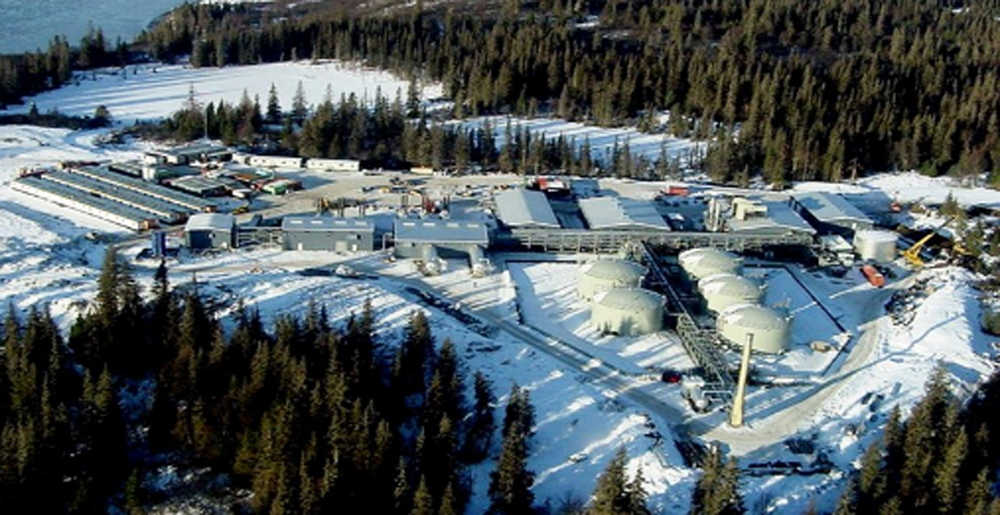
Photo/Miller Energy Miller Energy subsidiary Cook Inlet Energy operates this facility this facility – the Kustatan production facility – and other assets in Alaska for the Houston-based company. Three of its creditors filed for relief from debts they are owed by the company by petitioning for Cook Inlet Energy’s involuntary bankruptcy on Friday August 7, 2015. The company has 21 days to respond.
