Banking on ‘green’ for energy independence
Published 3:30 am Tuesday, April 13, 2021
With the aim of increasing the state’s energy independence, Gov. Mike Dunleavy introduced a bill last week that would create a so-called “green bank” to help fund sustainable energy projects in the state. Alaska has similar investment programs for other industries, Dunleavy said in an interview with the Empire, and this fund would help individuals and communities access sustainable energy technologies.
“This is a new approach to energy, a new approach to energy independence,” Dunleavy said. “It’s not a bad investment for the people.”
The bill would create an Alaska energy independence program and a fund within the Alaska Industrial Development and Export Authority, Dunleavy said, which would then be used to finance and develop sustainable energy projects in the state. The bill requests an initial $10 million investment of state money to start the fund.
Alaska’s size and remoteness have made it difficult for the private market to provide certain services, energy in particular, at a cost affordable to average people, Dunleavy said. The state has programs such as the Power Cost Equalization fund that subsidize electricity in rural areas due to the high cost of power.
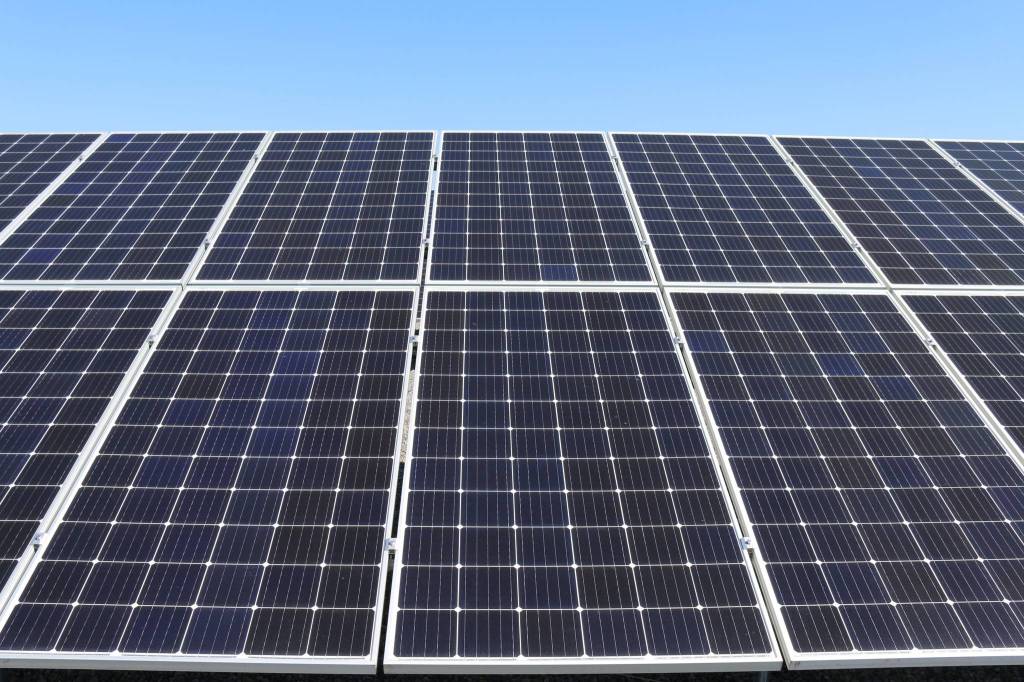
Sustainable energy technologies like wind and solar have become cheaper, Dunleavy said, but are still out of reach for the average homeowner or smaller communities. But governments all over the world have used various investment tools and incentives — commonly referred to as green banks — to help individuals or municipalities purchase sustainable energy technologies.
“This is an opportunity for Alaskans, for individual Alaskans, that has brought the cost of renewables down (in other places),” Dunleavy said.
The fund would need an initial $10 million to get started, the governor said, but in other places where green banks have been used, governments had seen private investments as high a $7-12 for every public dollar. Other states to have successfully used green banks include California, Connecticut, New York and New Jersey, according to the Renewable Energy Alaska Project, a nonprofit sustainable energy group.
Alaska’s initiative is modeled after programs nationwide, the governor’s office said in a news release, and if passed would make Alaska the 20th jurisdiction in the country to use a green bank.
[Governor says help coming for beleaguered tourism industry]
The idea has been discussed for several years, Dunleavy said, but there is currently federal money available to help finance such efforts. Alaska’s lone U.S. Representative, Don Young, a Republican, co-sponsored a national green bank bill last month, which according to the Coalition for Green Capital has the potential to create 5,000 jobs in Alaska. Young’s bill, known as the Clean Energy and Sustainability Accelerator Act, proposes $100 billion in funding nationally for state green banks, according to the congressional record.
The Biden Administration announced Monday a raft of proposals for infrastructure spending across the country with a partial focus on clean energy.
Green banks are investment funds with a specific set of goals, according to CGC, but still expect to be repaid, meaning they heavily scrutinize which projects they decide to invest in, said Morgan Neff, AIDEA’s chief investment officer. Most private banks have lending programs around homes or private property, Neff said, and aren’t familiar with niche projects like sustainable energy production. But Neff said AIDEA is already familiar with Alaska’s unique energy needs and can help make sustainable energy projects attractive to private investors.
“Green banks are designed to help facilitate an environmental need and have a fiscal impact,” Neff said.
Alaskans spend nearly $6 billion annually on energy, he said, and any reduction to that is going to make more of an impact.
In addition to the $10 million for the fund, a small operating budget for AIDEA would be necessary to run the program, Neff said, but the program is designed to be able to pay for itself.
“This allows folks to get financing for retrofitting, for communities to get financing for microgrids,” Dunleavy said. “This is a way for individuals to be more independent.”
Contact reporter Peter Segall at psegall@juneauempire.com. Follow him on Twitter at @SegallJnuEmpire.