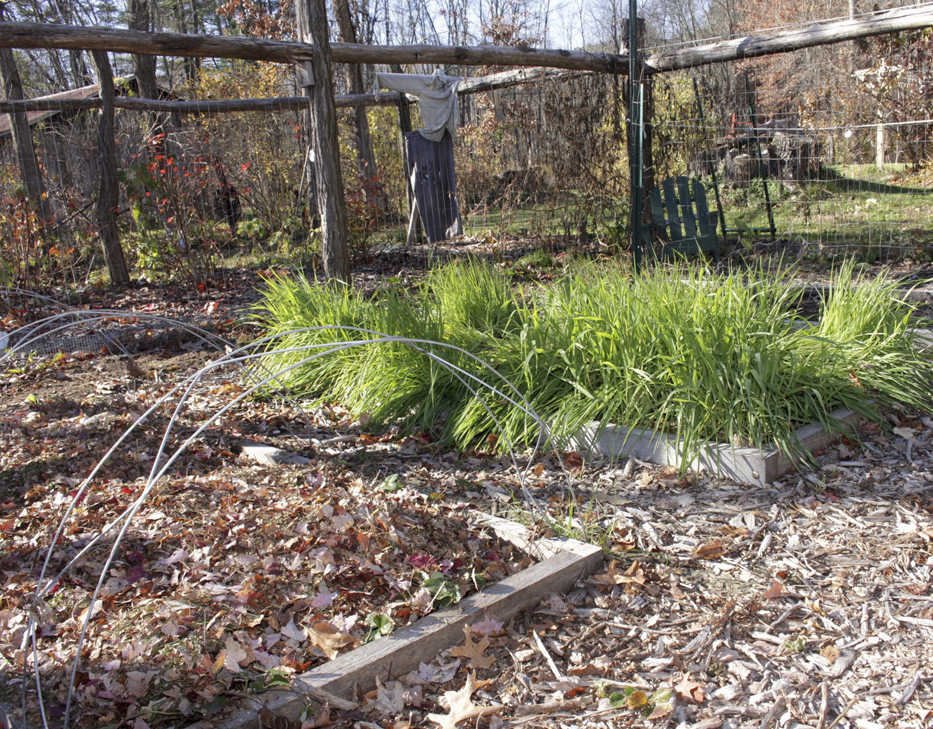
This undated photo shows vegetable beds readied for winter in Rosendale, N.Y. Blanketing the ground with a layer of mulch, autumn leaves in the foreground bed, or sowing a winter cover crop, as in the background bed, protects the surface layers from pounding rain and wide swings in temperature, as well as providing other benefits. (Lee Reich via AP)

This undated photo shows vegetable beds readied for winter in Rosendale, N.Y. Blanketing the ground with a layer of mulch, autumn leaves in the foreground bed, or sowing a winter cover crop, as in the background bed, protects the surface layers from pounding rain and wide swings in temperature, as well as providing other benefits. (Lee Reich via AP)

Soil needs some kind of protection for winter

Don’t leave your soil nude this winter. Or, at least don’t leave it nude and smooth. You don’t see Mother Nature cavorting around in this manner, and she’s always a good guide as to how to act in the garden.

In the months ahead, the ground will be pelted by rain, frozen by cold, and occasionally thawed as it’s blasted by sunlight. If the ground is bare, the rain will eat away at the surface, and the sun and cold will cause wide swings, daily swings, in temperatures. Roots do not thrive in such an environment. And even where annual flowers or vegetables grew, the soil remains a year-round home to myriad beneficial creatures, such as worms, fungi and beetles, who also abhor such conditions.

— Cover crops for clothing the ground.

One way to protect the soil in coming months is to sow seeds or plants that enjoy cool weather. Cover crops, as plants grown specifically to protect the soil are called, do more than just that. They also keep nutrients from washing out of the ground, smother late season weeds and pulverize the soil. A lush, green blanket also looks nicer than bare soil.

Plants typically used for cover crops include rye, oats, peas, and other grains and legumes. Legumes like peas and beans have the added benefit of enriching the ground with nitrogen for feeding the next season’s garden plants.

Come spring, cover crops need to be killed by tillage or repeated mowing to make way for garden plants.

— Till if you must, but not too much.

Except in southern regions, it’s too late now to get enough growth from a cover crop to be of benefit. But that’s no reason your ground should suffer neglect. Actually, if you did totally neglect your garden and it’s a sea of weeds, that’s not a bad way to leave it for winter. Of course, next spring, you’ll then have a big job of clearing those weeds and any offspring they procreated before winter set in.

So another option would be to till the soil. Wait! Don’t get out the rototiller to thoroughly churn everything up.

Better — and easier — is to turn over the ground just once or twice with a shovel or garden fork, then leave it rough. That rough surface will easily absorb rainfall, and as those large clods alternatively freeze and thaw over the winter, they’ll start to crumble apart. Come spring, just tickle the clods with the tines of your garden rake and they’ll finish crumbling apart to make a nice seedbed.

— Mulch also can clothe the ground.

Turning over the soil by tillage does discombobulate it and expose creatures living in it to cold temperatures and dry air, so let’s go back to clothing the soil. Mulch. A fluffy organic material such as autumn leaves, straw, compost or wood chips will insulate and protect the soil. These materials also increase the soil’s humus content to help plants feed and fight off pests next year.

There is one downside to covering the ground with any of these materials: Just as they insulate the soil in winter, they will similarly insulate it in spring, delaying its warming. Delayed warming, though, is only a problem when you have annual flowers or vegetables that you want to get growing as soon as possible. And even in this case, the mulch could just be hauled over to the compost pile or pulled back for a few weeks in spring until the soil warms, and then put back.

The best option for winter protection of soil where you’re growing annual flowers or vegetables is to mulch the ground with compost. Compost has all the benefits of other mulches, plus two more: It’s dark, so absorbs the sun’s heat in spring. And you can plant right in it, so there’s no need to wait for the ground underneath to warm up.

More in Life

Historic Elwell Lodge Guest Cabin is seen at its new spot near the Kenai National Wildlife Refuge’s Visitor Center. (USWS)
Around the peninsula

Local events and happenings coming soon.

Nián gāo is a traditional Lunar New Year treat enjoyed in China for over two thousand years. Photo by Tressa Dale/Peninsula Clarion
A Lunar New Year’s treat

This sweet, steamed rice cake is chewy, gooey and full of positivity.

This excerpt from a U.S. Geological Survey map shows the approximate location of Snug Harbor on lower Kenai Lake. It was in this area that William Weaver nearly drowned in 1910.
Ben Swesey: More to the story — Part 2

AUTHOR’S NOTE: Michigan’s hard-luck Swesey clan sprang into existence because of the… Continue reading

File
Minister’s Message: Rhythms and routines

Your habits are already forming you.

This dish is creamy, rich and comforting, and gets dinner time done fast. Photo by Tressa Dale/Peninsula Clarion
Full of mother’s love

This one-pot dish is creamy, rich and comforting, and can be ready in 30 minutes.

This screenshot from David Paulides’s “Missing 411” YouTube podcast shows the host beginning his talk about the disappearance of Ben Swesey and William Weaver.
Ben Swesey: More to the story — Part 1

More than a hundred years after Ben Swesey and Bill Weaver steered… Continue reading

Photo by Clark Fair
This 2025 image of the former grounds of the agricultural experiment station in Kenai contains no buildings left over from the Kenai Station days. The oldest building now, completed in the late 1930s, is the tallest structure in this photograph.
The experiment: Kenai becomes an agricultural test site — Part 8

Over the past 50 years or more, the City of Kenai has… Continue reading

File
Minister’s Message: So your life story can be better

Last month the Christmas story was displayed in nativity scenes, read about… Continue reading

These gyros make a super delicious and satisfying tofu dish. Photo by Tressa Dale/Peninsula Clarion
A new addition to the menu

Tofu gyros with homemade lentil wraps are so surprisingly satisfying and add extra fiber and protein to a meal.

Death notice: Marvin “Ted” Dale Smith

Marvin “Ted” Dale Smith passed on Dec. 27, 2025 in his home.… Continue reading

Photo courtesy of the 
Arness Family Collection
L. Keith McCullagh, pictured here aboard a ship in about 1915, was a U.S. Forest Service ranger charged with establishing a ranger station in Kenai, a task that led him to the agricultural experiment station there and into conflict with “Frenchy” Vian and his friends.
The experiment: Kenai becomes an agricultural test site — Part 7

AUTHOR’S NOTE: After the agricultural experiment station in Kenai closed May 1,… Continue reading

These treats are full of fiber and protein and contain less sugar than a Nutri-grain bar, so you can feel good about spoiling yourself a little. Photo by Tressa Dale/Peninsula Clarion
A treat for a new start

These cosmic brownies are a healthier, homemade version of the usual cafeteria currency.