
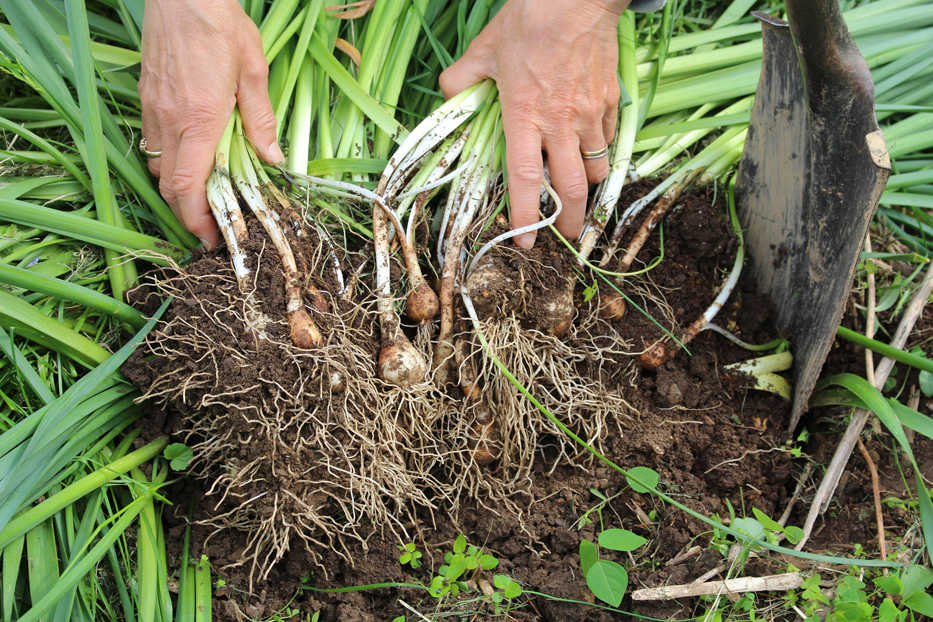
This undated photo shows flowering bulbs in New Paltz, N.Y. Over time, spring flowering bulbs, especially narcissuses like the ones shown here, can multiply to the point of becoming overcrowded, at which time they need to be dug up, separated, and replanted. (Lee Reich via AP)

This undated photo shows flowering bulbs in New Paltz, N.Y. Over time, spring flowering bulbs, especially narcissuses like the ones shown here, can multiply to the point of becoming overcrowded, at which time they need to be dug up, separated, and replanted. (Lee Reich via AP)

Plan and plant now for spring-flowering bulbs

It’s nearly that time of year when gardeners think of spring — of planting bulbs that are going to bloom then.

Bulbs are “pre-packaged” flowers, so a green thumb isn’t necessary to get those first season’s blossoms. Still, a few tips for buying and planting bulbs can make for a better show next spring and beyond.

The bigger the bulbs, the bigger next spring’s flowers.

Bulbs are usually sold as small, medium or top size, the measurement taken around the circumference where the bulb is fattest. Which measurements go with which size depends on the kind of bulb. Small tulips are 10 to 11 centimeters around, medium ones 11 to 12 centimeters, and anything larger is top size.

Naturally smaller bulbs include certain tulips, such as the charming waterlily tulip, as well as grape hyacinth, crocus and snow drop.

Over time, with good care, smaller bulbs will grow into larger ones, whose show will match that of the initially fatter bulbs. One way to compensate for smaller flowers would be to plant more of them, putting your money into buying more rather than fatter bulbs. Which brings us to …

More is better, for any kind of bulb. Forget about planting tulips in a single file ready to march like soldiers down the edge of your front path. Instead, plan for big dollops of color, massing bulbs in circular groups or, for bolder visual effect from fewer bulbs, triangular groupings with an apex directed to your vantage point.

Even though this coming spring’s flowers are already packaged inside bulbs, the more sunlight the plants bask in, the better will be the show they put on in years to come.

The spot where you plant bulbs doesn’t have to be bathed in sunlight all season — only until the bulbs’ leaves disappear. Those leaves disappear, fortuitously, at about the same time that emerging leaves of deciduous trees finally knit together to create cool shade.

Another consideration in siting spring bulbs is soil drainage; most abhor wet feet. The original home of tulips, narcissus, crocuses, and many other popular spring bulbs are the mountainsides of western Asia, on ground that is parched all summer. Holland is a good place to raise bulbs commercially because the long, cool, moist springs delay dormancy. In the long time before the bulbs’ leaves finally die back, the greenery has plenty of time to fuel the following season’s flower buds.

What about fertilizer? The traditional recommendation is to put bone meal into the bottom of the planting hole. Actually, a bulb does not need fertilizer to flower well its first season, only to flower well in subsequent seasons.

What these bulbs really need is any balanced fertilizer — including compost, the Cadillac of fertilizers — spread on the ground right after planting this fall or even in spring. Bone meal is not a particularly well balanced fertilizer.

Good growing conditions will get these bulbs multiplying, with younger bulbs budding off the mother bulb. Overcrowded bulbs won’t flower well, so they’ll eventually need to be dug up; a good time is when the foliage is dying down. They can then be replanted with sufficient elbow room.

And unless your yard is free of deer, plant types of bulbs that deer generally don’t like, such as ornamental onions, glory-of-the-snow, winter aconite, fritillaria, snowdrop, hyacinth, snowflake, squill and narcissus.

More in Life

File
Minister’s Message: Search me and know me

I have a brilliant friend who was a former archaeologist. She recalled… Continue reading

Sesame seed buns made from scratch elevate a meal. Photo by Tressa Dale/Peninsula Clarion
A taste of Americana

Like all great things familiar and traditional, these sesame seed buns were born of a woman’s labor.

This image is the only confirmed photograph of guide Ben Swesey discovered by the author. The photo, from John P. Holman’s 1933 hunting memoir, “Sheep and Bear Trails,” shows Swesey working to remove the cape from a Dall sheep ram shot by Holman in 1917.
Ben Swesey: More to the story — Part 3

AUTHOR’S NOTE: Danger was inherent in the job. Although his fellow hunting… Continue reading

Historic Elwell Lodge Guest Cabin is seen at its new spot near the Kenai National Wildlife Refuge’s Visitor Center. (USWS)
Around the peninsula

Local events and happenings coming soon.

Nián gāo is a traditional Lunar New Year treat enjoyed in China for over two thousand years. Photo by Tressa Dale/Peninsula Clarion
A Lunar New Year’s treat

This sweet, steamed rice cake is chewy, gooey and full of positivity.

This excerpt from a U.S. Geological Survey map shows the approximate location of Snug Harbor on lower Kenai Lake. It was in this area that William Weaver nearly drowned in 1910.
Ben Swesey: More to the story — Part 2

AUTHOR’S NOTE: Michigan’s hard-luck Swesey clan sprang into existence because of the… Continue reading

File
Minister’s Message: Rhythms and routines

Your habits are already forming you.

This screenshot from David Paulides’s “Missing 411” YouTube podcast shows the host beginning his talk about the disappearance of Ben Swesey and William Weaver.
Ben Swesey: More to the story — Part 1

More than a hundred years after Ben Swesey and Bill Weaver steered… Continue reading

This dish is creamy, rich and comforting, and gets dinner time done fast. Photo by Tressa Dale/Peninsula Clarion
Full of mother’s love

This one-pot dish is creamy, rich and comforting, and can be ready in 30 minutes.

Photo by Clark Fair
This 2025 image of the former grounds of the agricultural experiment station in Kenai contains no buildings left over from the Kenai Station days. The oldest building now, completed in the late 1930s, is the tallest structure in this photograph.
The experiment: Kenai becomes an agricultural test site — Part 8

Over the past 50 years or more, the City of Kenai has… Continue reading

File
Minister’s Message: So your life story can be better

Last month the Christmas story was displayed in nativity scenes, read about… Continue reading

These gyros make a super delicious and satisfying tofu dish. Photo by Tressa Dale/Peninsula Clarion
A new addition to the menu

Tofu gyros with homemade lentil wraps are so surprisingly satisfying and add extra fiber and protein to a meal.