Homer man goes it ‘Alone’
Published 10:30 pm Tuesday, May 24, 2022
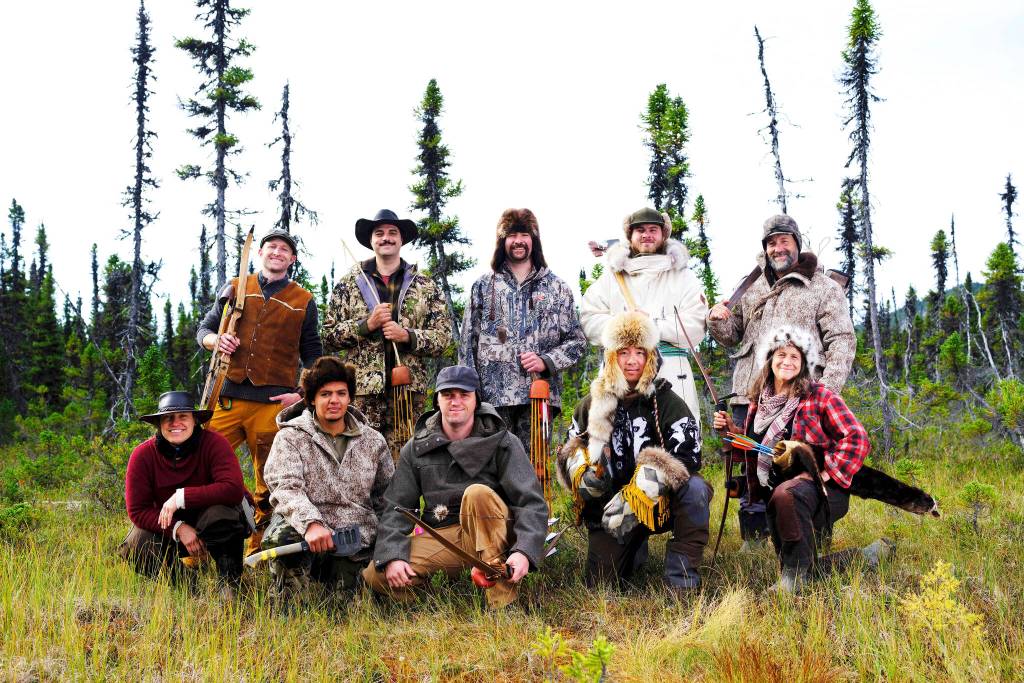
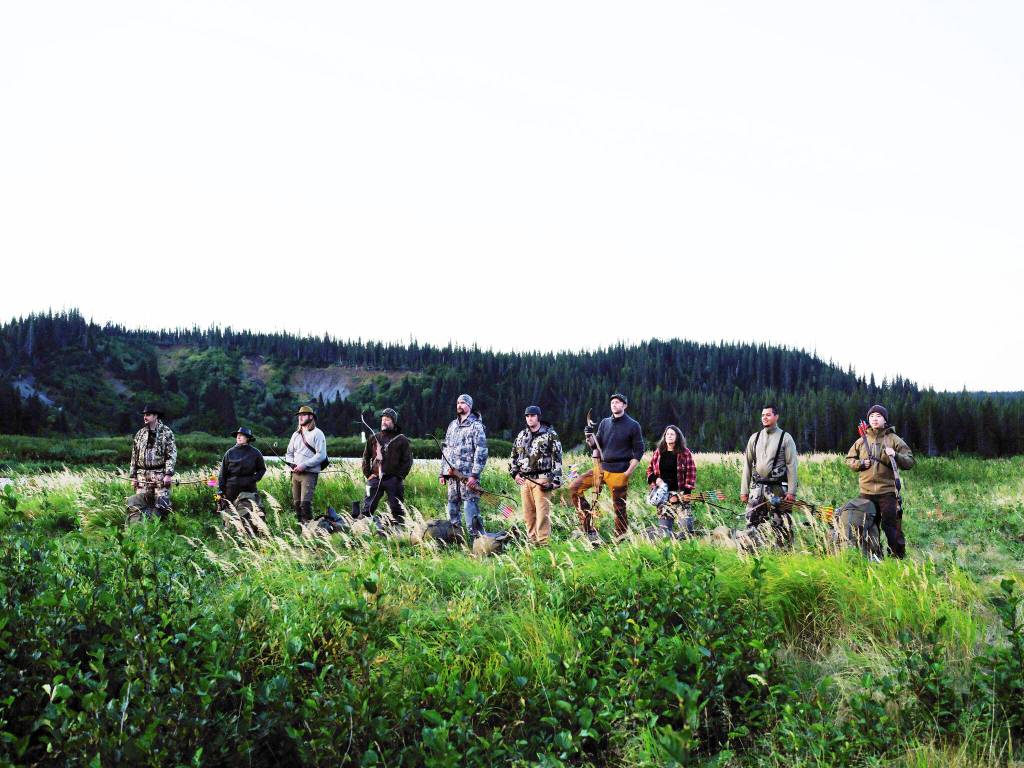
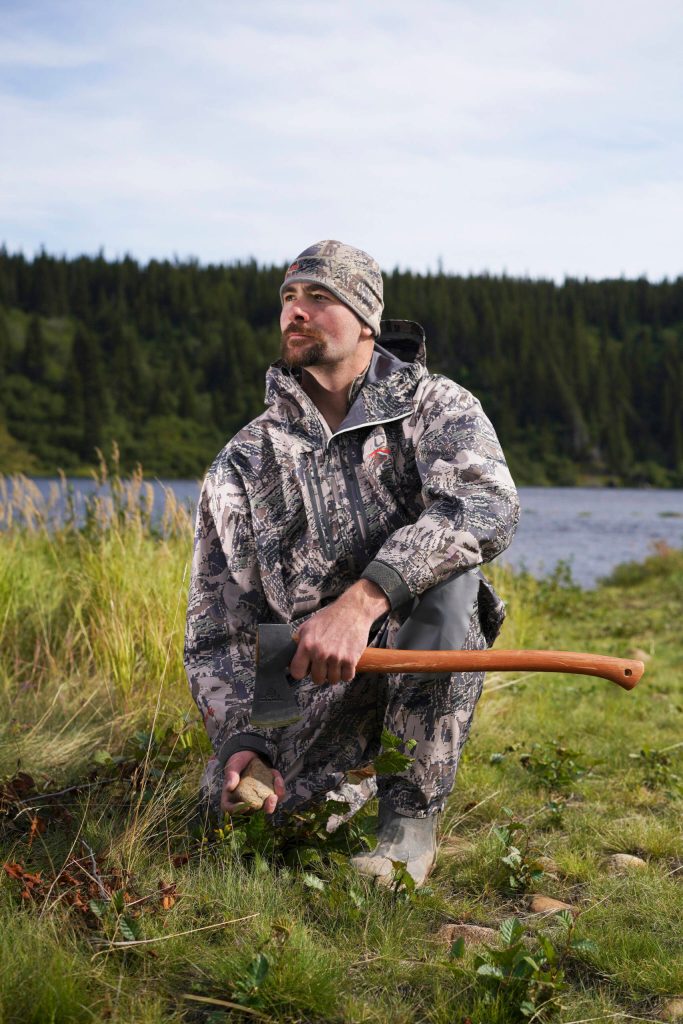
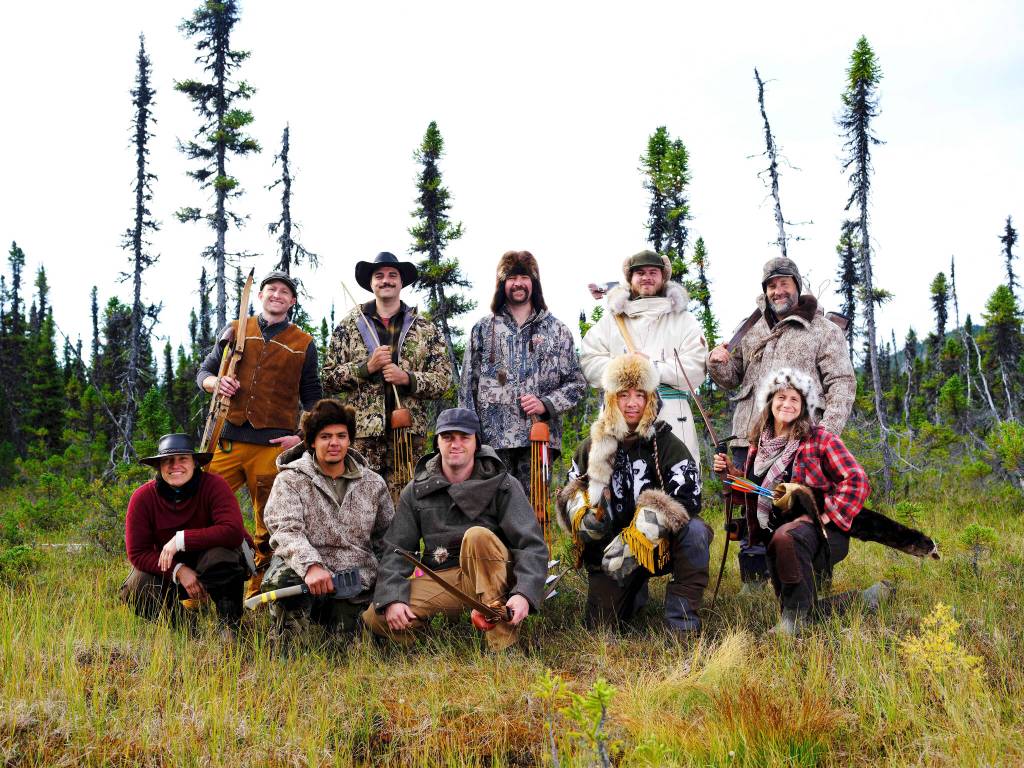


The History Channel’s extreme survival TV series, “Alone,” puts 10 people to the ultimate test: survive as long as you can with limited tools and gear in the most extreme environments on the earth. The $500,000 prize goes to the last person standing and who hasn’t been pulled out of the competition.
Participants get video cameras with lots of batteries and media and record their adventure. They can call for help if they no longer feel safe participating, and periodically check in to let show producers know they’re safe.
Under those parameters, a strong contestant would be an Alaskan, of course, and someone who might have these qualities:
• Grew up in a rural area hunting and fishing
• Moved to Alaska and lived in a 2004 Buick LeSabre through the winter
• Worked the docks in Homer day after day looking for a deckhand job
• Hasn’t eaten any meat but wild fish or game in 10 years
• Has taken 30 or 40 one-month wilderness or hunting trips, and
• Is affable, personable, polite and a little bit goofy.
In those respects, Alaska’s latest contestant on “Alone,” Terry Burns, 31, of Homer, checks all the boxes.
Season 9 of “Alone” starts Thursday, May 26, at 5 p.m. Alaska time, 9 p.m. Eastern time. The season runs 11 episodes, with the winner announced in the last episode. In Season 9, Burns joins fellow Alaskan Jacques Turcotte of Juneau. Another Homer resident, Mary Kate Green, competed in Season 2 starting in April 2016.
The Season 9 participants started their adventure last September. In theory, if anyone hangs in there long enough, it can go up to a year. For the latest series, the 10 people went to Labrador, Canada, with the blessing of the Nunatsiavut Inuit, said executive producer Ryan Pender.
Each participant can pick 10 items from a list of 40 items divided into categories like shelter, bedding, hunting and so on. Burns selected an ax, sleeping bag, bows and arrows, fishing line and hooks, Ferro rod (a fire-starting tool), paracord, a 2-quart pot, trapping wire, a multitool, and a cross-cut saw. They also can choose an entire wardrobe with various parameters, including boots and hats, that don’t count against their 10-item gear list. It’s up to contestants to select their own gear.
Burns grew up in rural Hurricane, West Virginia. After high school he worked installing plumbing and fire protection systems, putting in 100 or more weeks. Burns said he lives to hunt and fish, and tries to fish 300 days a year. He got tired of the rat race. The catalyst of totalling his truck in a 17-car pile up when he got hit by a semi-tractor trailer compelled him to move to Alaska. He drove up in February of 2011 in his grandmother’s old 2004 Buick, first getting a job caretaking a lodge in Cooper Landing. In April he came to Homer to find a job fishing.
“I walked the dock every single day, rain, shine,” he said. “I went to the boat yard. I went to the Gear Shed.”
He slept in the Buick with his 13 fishing rods. Because he didn’t have much money for fuel, he didn’t run the car heater.
“I fall asleep and wake up shivering,” Burns said. “And I’d run around the car until I warmed up, and then I’d get back in the car.”
Burns still lives in his vehicle, now a Chevrolet truck with a topper. When he goes into the wilderness, he has a really nice tent.
“I’ve got this real bad thing about settling down,” he said. “Yeah, it’s not natural or healthy, but I’d rather take the money that I would spend on anything else and put it toward hunting, fishing. I’m fine with camping in my truck.”
When he’s not fishing — or competing in reality TV shows — Burns goes into the woods for monthlong adventures. He’s especially fond of hunting caribou, and will drive up the Haul Road and hike off into the backcountry. One time he shot three caribou and spent 56 hours hauling meat — an experience that wore him out so much he took time off to recover.
During that time, while at a Homer friend’s house he happened to see an episode of “Alone” and got mesmerized. His friends told him he should apply to be on the show.
“They thought I’d do great,” Burns said. “‘This is the kind of stuff you do for fun.’”
At first he brushed aside the idea, but later decided, What the heck? He applied. Months passed and then the producers responded, wanting more information.
“And it just has snowballed from there,” Burns said.
After an initial interview, he got invited in June to what “Alone” calls boot camp, a chance for applicants to show off their skills and winnow the field further. Pender, the show’s executive producer, said about 25,000 to 30,000 people applied for Season 9.
Burns can’t talk about what happens over the season. He said he didn’t obsess over his tools, saying what matters more is knowing how to survive and the ability to improvise.
“I just love being out there,” he said. “So I’m smiling like a fool because I just enjoy it and, you know, some folks will struggle with the isolation. … I find something beautiful in it.”
Each contestant wears a satellite phone device, the yellow brick, that keeps them confined to about a 3- to 5-mile area. Burns said they can send set messages like “I’m OK” or “need help.” The producers periodically do medical check ups. Pender said restricting contestants to an area makes it easier to find them in the event of an emergency.
“‘Alone’ is about participants pushing themselves to the brink,” Pender wrote in an email. “… Participants know when to pull themselves out, but when they don’t, can’t or won’t make that choice, the call will be made to take them out of the experience and get them to a hospital to begin the road to recovery.”
In “Alone,” Burns said, “It’s a full-time job of harder work than most folks are accustomed.”
Without giving away too much, Burns said that because he already has been out in the wilderness so much, the experience didn’t affect him profoundly.
“It’s really visceral,” Burns said of the show. “… One thing that’s really interesting about the series is, you know, you get to see the human condition and what we go through.”
Reach Michael Armstrong at marmstrong@homernews.com.