Election 2020: A conversation with Alyse Galvin
Published 10:30 pm Monday, October 19, 2020
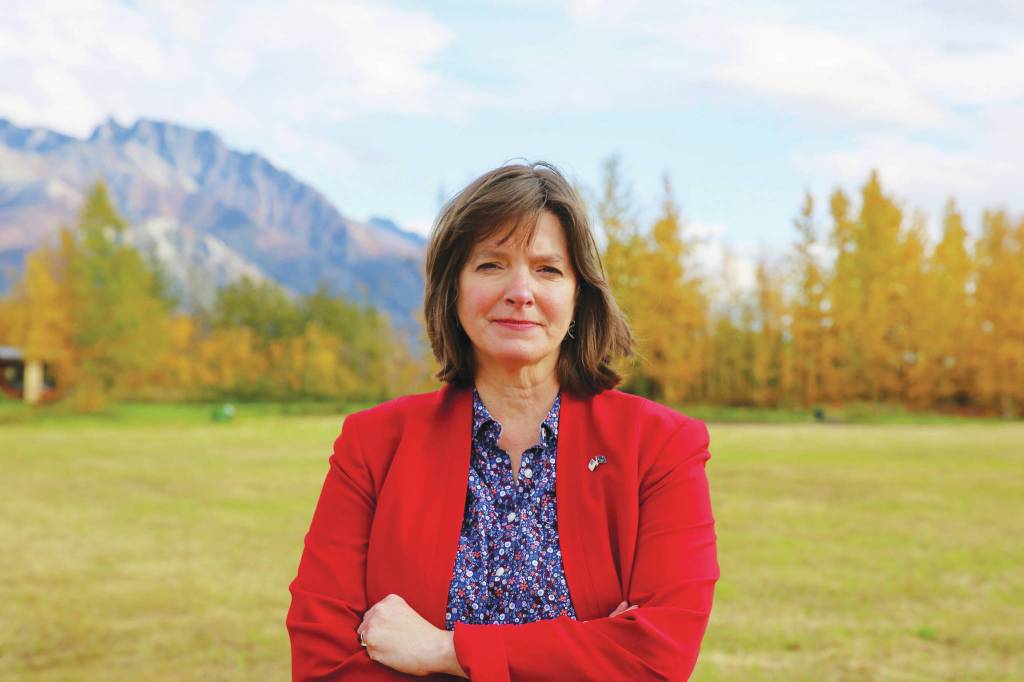
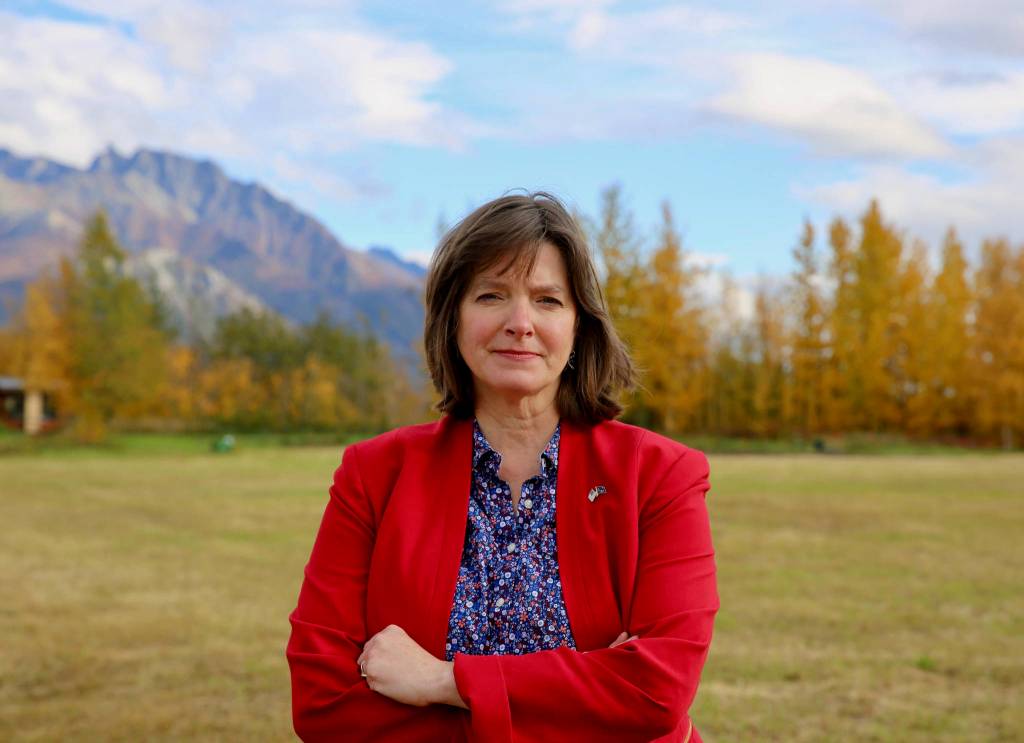


Alyse Galvin is running against Don Young for the U.S. House of Representatives. The Clarion spoke with Galvin via phone on Oct. 16. A Q&A with Young will run in the Clarion at a later date. This interview has been edited for length and clarity.
What would you say are your top legislative priorities?
Galvin: The first thing, assuming we’re going to get coronavirus conquered really soon, is to get us back to work. We absolutely need to get families to be able to take care of their own. That’s what I’m in this for. I’m running to fight fiercely for good jobs.
The second is health care. We need to drive the cost down and make sure that every Alaskan can navigate it and afford it.
And then the last piece is quality education, really thinking cradle-to-career, that is connected to the good jobs in Alaska, so that all of these jobs are Alaskans getting them first.
What are your plans for making health care more accessible in the state and across the country?
Galvin: In Alaska, in particular, we have a severe problem of the cost being too high, and there’s a few things causing that.
There’s some things we can do. Right now, our system is broken. It just doesn’t cover enough. It’s hard for Alaskans to find doctors and too expensive.
You know, I know I just had a conversation last week with a tire store owner who would like to expand his business, but right now, in some cases, he’s spending more money in health care than he is on wages. So we just kind of see his way. So there’s no question that health care is strangling businesses. It’s preventing our elders from leading lives of dignity and respect.
We need comprehensive and affordable health care and some of the things that we can do is to make sure that, first of all, we are increasing the Medicare reimbursement rate. That will make sure that we keep our primary care providers. Some of this is not having enough competition. We don’t have enough providers here to drive down the costs.
And I really believe again, this is back to education; we need to be growing our own nurses right now. We have a 30% hole of vacant positions in nursing … and Alaskans can fill those. We just need to make sure that we’re connecting our education system to those positions.
We also know that, you know, the health care system has gotten too complicated. It’s bureaucratic. It’s cumbersome. Kind of like the federal government. And we need to put in some legislation like allowing Medicare to bargain for lower prescription costs, that will very much lower the cost to each one of us.
Even my grandmother at one time was cutting her pills in half. It happens a lot up here. The prescription drug costs are just out of control. And it’s because, you know, unfortunately, those who are in Congress right now, they’ve taken too much money from corporate PACs. So, for example, you know, my opponent has taken over $300,000, from the health care industry. He has also repeatedly voted to take health care coverage away from thousands of Alaskans and instead voted for, you know, an insurance industry bill that increased premiums, while failing to reduce prescription prices.
That’s been a real big bone of contention here, because it’s really tough, I think, for people in Washington, D.C., to make the bold and courageous decisions that have to get made right now if they’re in somebody’s pocket. And that’s really, you know, what’s different about me, is that I’m not taking any corporate money at all, whereas more than half of Don Young’s money comes from PACs. More than half. And of his money that comes from individuals, half of it is from outsiders.
For me, I’m doing it differently. Ninety three percent of my dollars are from Alaskans. Of the 7%, it’s from people like educators in Alaska and teachers … and groups like that. It’s just a whole different mentality.
When 93% of my money is from people, it’s clear who I’m working for. I’m here doing this as a public servant. I haven’t been in Washington for 47 years constantly meeting with the lobbyists. I’m here in Alaska, having just raised my family here, and want to take care of the next generation to have a really great opportunity to live here. And I think that’s a big difference in terms of how we’re going to fight for things like sensible health care.
Is there anything that you would specifically like to see in a second Congressional stimulus package for Alaskans?
Galvin: Well, I think we really need to make sure we get our fair share, let me put it that way. The first one, Alaskans, I think I read, got the least amount of aid to small businesses in the whole nation. The least amount of support. We did not get our fair share.
So at the very least, we need to have somebody in there making sure that it’s distributed in an equitable and quick way. We’ve got to get our businesses back up. And in some cases, we know that schools need to purchase more supplies just to make it safe. There’s some things that we need to do and we need to have a champion in there fighting for it having listened to the local Alaskan state leaders and care providers to know what is going to get us to open up our economy again.
And Don Young missed that vote. He missed the first one. I’m sorry to say he was traveling from Washington to Alaska to a fundraiser and he missed the first CARES Act. I don’t know how we could have gotten the right amount if we didn’t have the legislator, even there. Our representative was not even present.
I’ll show up. And I think that’s really what Alaskans want to know, that I’ll be there as a fierce fighter. I’m able to make sure that I pay attention to every bill that passes through and see that Alaskans are taken care of and that we get our fair share.
Right now, I think what everybody is looking for is a chance to get back to work, get back to normalcy. Until we get a vaccination that helps us to completely open up and feel confident, we need to do every other thing possible to do that: listening to the care providers who still feel as though they don’t have the proper PPE; our schools need to have whatever it takes so that they can open up; our businesses, and, certainly, we know not everybody has equal access to these rapid tests.
I really believe we have some work to do. From the federal and state and local point of view, we’ve just got to make sure that this happens.
A major issue that is specific to Alaska is the Pebble Mine and how the global climate crisis is affecting coastal villages, waters, and salmon populations. Is there anything that the federal government should be doing to address the global climate crisis in Alaska or that you would be interested in addressing specifically?
Galvin: As a representative here in Alaska, the main thing is, we need to make sure that people in D.C. understand what we are experiencing here in Alaska. It’s important that we don’t have communities just falling into the water, which we have, and right now, we’re not getting enough support to move those communities, not nearly enough support to move them.
But we also have things that we’re experiencing — the acidification and warming, and all of that at twice what the Lower 48 is. We definitely need to appreciate that, and in terms of our needs, we know that we need more research to understand how it’s affecting our fisheries. There’s no question about it.
We do natural resource development here, and we do it well. Part of those natural resources are fishing. Some of it is mining; some of it’s oil and gas. It means that we need to be aggressive. It’s a profitable resource that we have going, but we also need to make sure that we have timely science-based review processes. We need to be clear about that.
When it comes to Pebble Mine — that’s a different sort of mine, that’s right next to another wonderful resource. It’s a good problem, in a way because we’ve got mining right next to fish, but the bad problem is that we have to make a choice in this case. Because the technology is not there to help protect us from our forever resource, our fisheries.
I oppose the Pebble Mine project. It’s too risky. We have not seen that the technology can really, it just hasn’t demonstrated that the current technology can overcome what could really take away our incredible economic driver, which is the salmon fishery in Bristol Bay.
I think that Alaska is a natural resource state and mining is a key part of our economy, however, I think it is really important to know, so are fisheries. It’s not just for those who are fishing commercially, but you know, we have port fishing this huge there and up-river, and then our subsistence fishing is also very important.
I’m really running to make sure that we can take care of our own, and that means we need to have those good jobs, but we need to balance and the decision-making and make sure that our jobs make sense for Alaskans, and that they’re able to help us keep the Alaska that we all love and enjoy and came here for.