Community to weigh in on Soldotna annexation
Published 9:30 pm Wednesday, September 4, 2019
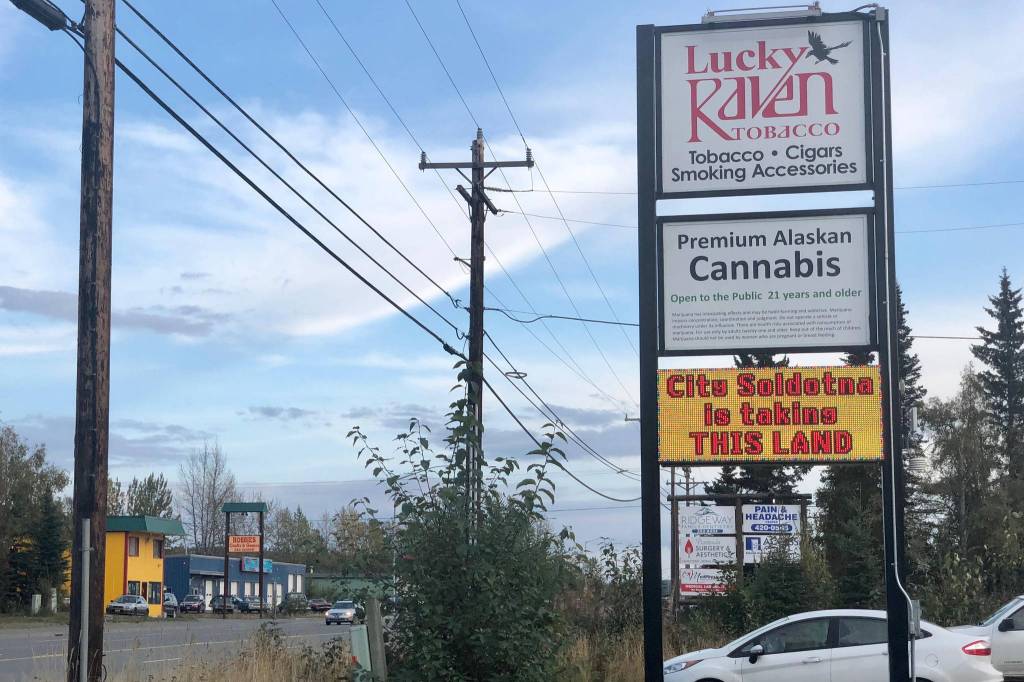
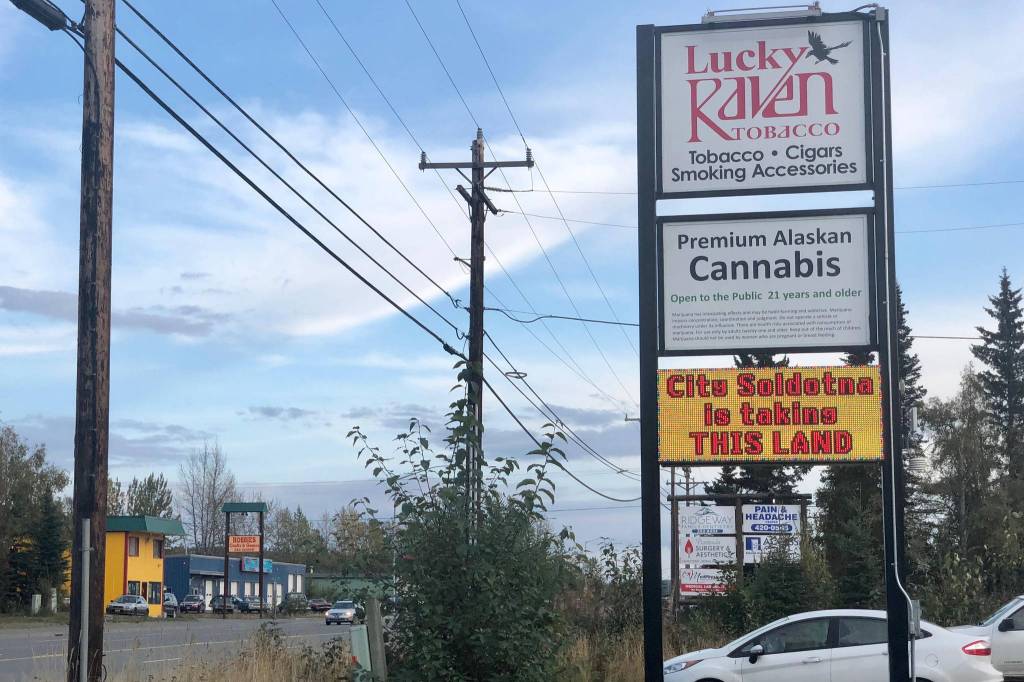


Residents will have an opportunity to share their thoughts and provide feedback on the city of Soldotna’s controversial petition to annex almost 4 square smiles adjacent to city boundaries. The city is holding a public hearing at 2 p.m., Saturday at Soldotna High School.
The petition, exceeding 300 pages, has been online for 30 days and residents, especially in impacted areas, are encouraged to provide Soldotna City Council feedback.
“I think it’s a really important opportunity for people, especially people who will be impacted, to participate,” Soldotna City Manager Stephanie Queen said. “I do hope if there are people in the areas being considered that they come and take the opportunity and speak directly to the council, because I know the council wants that feedback. They want to understand all of the issues so they can make the best decision.”
In June 2018, the Soldotna City Council passed a resolution to start drafting a petition to annex seven areas adjacent to city limits.
Soldotna’s comprehensive plans, dating back to the 1970s, all mention annexation as a critical community issue, worthy of further consideration, the petition said. In 2008, the city came close to moving forward with a proposal to modify its boundaries, but the effort was vetoed by then Mayor Dave Carey before the petition was sent to the Local Boundary Commission, the state body created by the Alaska constitution that reviews and decides on municipal establishments and alterations. In 2014, the city of Soldotna began gathering information about changing its boundaries. In 2018, the Kenai Peninsula Borough voted to oppose Soldotna’s efforts to annex adjacent areas.
In the petition, the city said they’re hoping to annex nearby areas as a way to respond to growth and development and to more accurately align the city’s corporate boundaries with the community that has developed since the city’s incorporation in 1960.
“This is critical to ensure the long-term fiscal sustainability of the municipality, so the City can plan for and deliver essential services for City and area residents into the future,” the petition said.
Soldotna is one of the most densely populated mid-sized communities in the state, with about 585 residents per square mile, according to the petition. The density is causing development to be pushed outside of, but still close to the city, where land is more readily available, the petition claims.
“Growth adjacent to the City threatens to undermine the City’s tax base, and also limits the City’s ability to effectively plan for the expansion of services to (for example water and sewer utilities) in areas where they are requested,” the petition said.
The three census designated places immediately outside city limits grew 39% from 2000 to 2017, while the city grew in population 15.5%, according to Alaska Department of Labor and Workforce Development data.
According to the petition, the city offers services not offered by the borough, including parks and recreation, a library, animal control, water and waste water utilities, comprehensive zoning, economic development incentives, local police protection and building code review and inspections for commercial and residential construction.
“An adjustment to the Soldotna city limits is necessary, to provide equity among businesses and residents who receive municipal services, and those who are collecting and remitting taxes that enable the municipality to pay for the services,” the petition said.
Through annexation, Soldotna will have the opportunity to glean millions in tax revenue from additional businesses and residents.
In its annexation petition, the city of Soldotna said annexation could benefit residents by giving them a voice in a city government and lowering property tax rates. Residents in Soldotna pay 8.06 mills, or 0.9 mills less than the tax rate paid by borough residents (8.96 mills) within territory proposed for annexation, according to the petition.
Businesses inside city limits compete with shops and retailers located outside of the boundaries. Those inside city limits are subject to 3% borough sales tax and an additional 3% sales tax for the city, a total of 6% sales tax.
This additional sales tax increase is concerning to many residents who have businesses in areas proposed for annexation, especially along the highly commercialized portion of K-Beach Road where Ravin Swan runs her 25-year-old business GAMAS Designs. The design business was originally in city limits, but Swan said it was important for her to get property for outside of the city.
“I have very strong competition with the internet and 3% means a lot to me,” Swan said. “I’ve looked into the pros and cons and have tried to keep an open mind but I cannot see one pro about being in the city of Soldotna.”
Michael Modrell, manager at the Alaska Ammo on K-Beach, said the store has business to lose if annexation occurs.
“Not having city taxes is a big part of why people buy guns from us over Sportsman’s,” Modrell said. “We have nothing to gain and business to lose if or when the annex goes through.”
Sales tax is less of a concern for Dave Standerfer, owner of Standerfer Stoneworks, because most of his work surpasses the borough’s sales tax cap of $500. However, transitioning to city water and sewer isn’t an option, he said.
“If city water came in, I would move to Kasilof or somewhere else,” he said. “I use water for cutting and could not afford to do it.”
The petition said the commercial growth along Kalifornsky Beach Road area poses perhaps the most significant threat to the city’s tax base, due to the availability of land for development, lack of zoning and local building enforcement and close proximity to the high-traffic area of Soldotna’s downtown.
The petition contains a transition plan that describes how the city would integrate their services into the proposed areas. The plan also outlines several items concerned residents have brought up to the city over the last several years, Queen said, including whether or not the city’s zoning areas would be appropriate in some of the proposed areas.
“We want to protect people’s existing ways of life and the rural lifestyles in these areas,” Queen said. “We want to let people know we’re aware many of the city standards that may not be appropriate in some of those areas and we’d be working with them to come up with something that was a better fit.”
Both Swan and Standerfer — who are members of a larger local group, Borough Residents Against Annexation — said they were disapointed the city chose to not hold a vote, and instead opt for the legislative route.
“It’s forced,” Standerfer said. “I’d have no problem if a vote of the people didn’t go my way, but I didn’t get a chance to be a part of it.”
State law allows municipalities to expand their boundaries through the legislative review process or through voter approval. The legislative process requires municipalities to send a petition to the Local Boundary Commission, and from there the Local Boundary Commission may present proposed changes to the Legislature during the first 10 days of any regular session. Unless the recommendation is denied, any changes will be approved 45 days after the initial presentation or at the end of the session, whichever comes first.
“From our knowledge of large city annexations, it would be uncommon to go through a vote process,” Queen said. “It seems the more traditional method for a large annexation like this is the legislative review method.”
The proposed annexation area includes 3.78 square miles and would increase the city of Soldotna to approximately 11.15 square miles. The city is home to an estimated 4,317 people and the annexation territory is home to an estimated population 392 people, according to the petition. Assessed value of taxable property in the areas proposed for annexation is estimated at $112,519,100, the petition said. Projected value of taxable sales within the proposed areas is approximately $53 million, according to the petition. At a rate of 3%, projected annual city sales tax revenues in the proposed areas will be $1,590,183, the petition said.
No decisions will be made at the hearing. A resolution authorizing the city to submit the petition to the Local Boundary Commission is on the Sept. 12 Soldotna City Council agenda. If the city council passes the resolution, the Local Boundary Commission will initiate their own review and public hearing process, which can take up to a year, Queen said. Queen encourages any community members who have questions to reach out to the city. Written comments can be submitted to the city by mail or email at cityclerk@soldotna.org, at any point up until the end of the Saturday hearing.