Opinion: The incompetence of unacknowledged conflicts of interest
Published 3:00 am Sunday, November 17, 2019
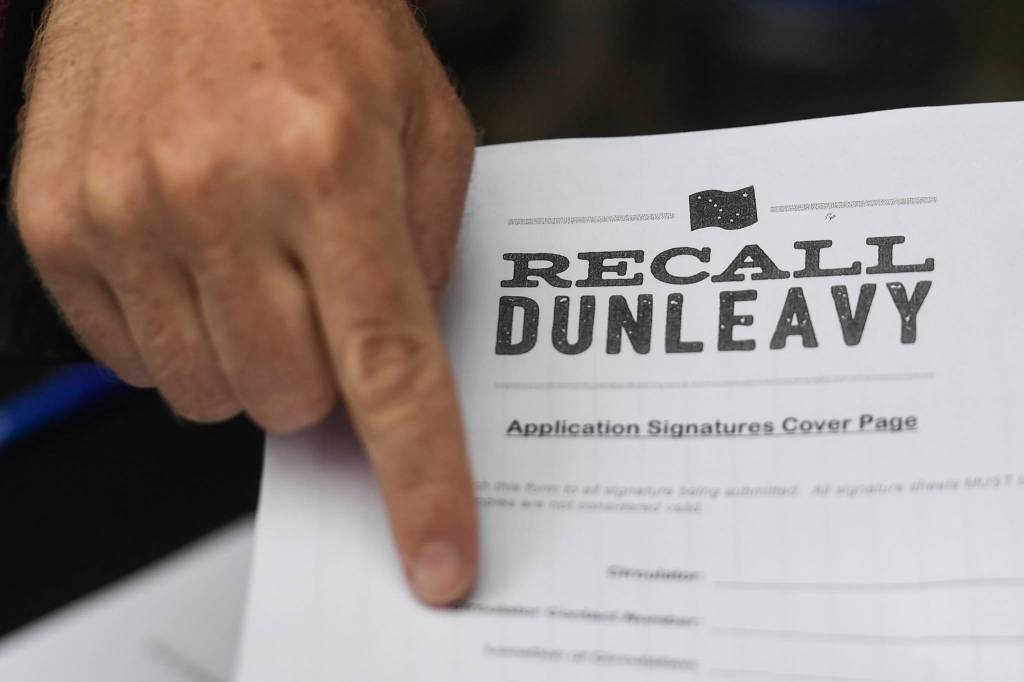
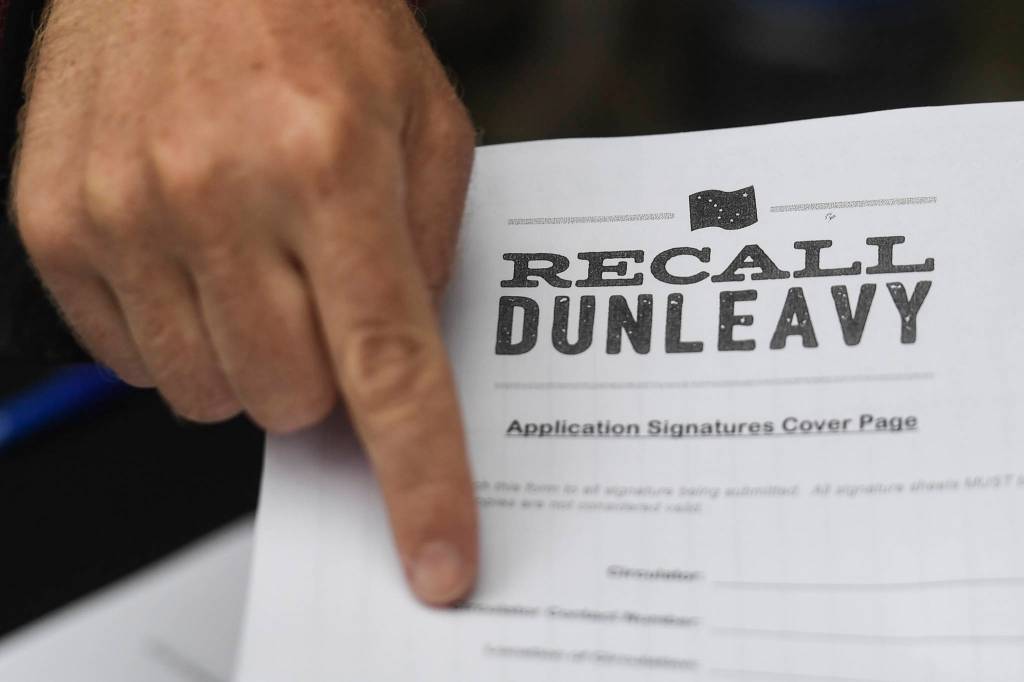


The application to recall Gov. Mike Dunleavy alleged “Neglect of Duties, Incompetence, and/or Lack of Fitness” in four specific actions.
In his advice to the director of elections, Attorney General Kevin Clarkson dismissed them as factually and legally insufficient. But the fact that Clarkson even participated in the legal analysis offers yet another example of the administration’s incompetence.
Clarkson defined incompetency as “a substantial lack of sufficient knowledge, skills, or professional judgment required to perform substantive duties of the office.” That’s a reasonable interpretation if applied to the common workforce. But I think it’s fair to say that there isn’t a governor in America who can perform all their official duties without a staff of qualified advisors. Therefore, the competency of a governor should be measured by his or her commitment to seek sound advice and the judgment used in applying it.
Enter Clarkson, who as attorney general serves as the legal advisor for the governor and administration officials. That includes Lt. Gov. Kevin Meyer, who oversees the Division of Elections, and its director.
As the state’s top attorney, Clarkson should have recognized what Dermot Cole describe as an “inescapable conflict of interest.”
Clarkson was appointed to his position by Dunleavy. As Cole points out, it’s conceivable he’d lose his job if the recall is successful. But it’s also conceivable Dunleavy might have considered firing him if the application had been accepted. And fact that Meyer would become governor if Dunleavy is recalled is yet another potential conflict.
My professional understanding of this comes from the National Society of Professional Engineers’ Code of Ethics. It requires engineers to “disclose all known or potential conflicts of interest that could influence or appear to influence their judgment or the quality of their services.”
Such requirements apply to all government employees.
The Alaska Executive Branch Ethics Act states “a fair and open government requires that executive branch public officers conduct the public’s business in a manner that preserves the integrity of the governmental process and avoids conflicts of interest.” Under “Misuse of Official Position,” the statute lists taking action “in order to affect a matter in which the public officer has a personal or financial interest.”
In his capacity as attorney general, it’s Clarkson’s duty to review all determinations related to alleged conflicts of interest. Unless the target of the complaint is the governor, lieutenant governor or the attorney general himself. In those cases, he’s supposed to refer it to the personnel board who “shall retain independent counsel who shall act in the place of the attorney general”.
That’s what Clarkson should have done with the recall application. Instead, by failing to recognize acting on it posed at least the appearance of conflicts of interests, he along with Dunleavy and Meyer have displayed a deficiency in their professional judgment that I believe meets the definition of incompetence.
However, this argument shouldn’t matter to the Superior Court judge who will issue the first ruling on the legal sufficiency of the recall application. Or to the Alaska Supreme Court justices likely to hear the appeal after that. They should follow the precedent established in the 1984 recall of members elected to the Bering Strait School Board.
The justices in that case concluded that “statutes relating to the recall, like those relating to the initiative and referendum, should be liberally construed so that `the people [are] permitted to vote and express their will.’” They further stated that the “purposes of recall” are not “well served if artificial technical hurdles are unnecessarily created by the judiciary.”
That’s what Clarkson wants from the court. And if he prevails, the ability to recall any elected official will be put beyond the reach of the people.
Such a ruling won’t seem fair to Cordova residents who blame Dunleavy for the loss of winter ferry service, or to others who are upset with less state services.
Taken separately, that small segment of the population wouldn’t be enough to initiate a recall process. But the wide range of negative impacts from this administration’s reckless budget cuts seems to have created plenty of evidence for people across the state to question the competency and fitness for Dunleavy to remain in Alaska’s highest office.
• Rich Moniak is a Juneau resident and retired civil engineer with more than 25 years of experience working in the public sector. My Turns and Letters to the Editor represent the view of the author, not the view of the Juneau Empire.