Koch: Managing the budget and changing a culture
Published 4:30 am Tuesday, August 9, 2016
My number one priority is to work diligently to chart a path to fiscal sustainability for the State of Alaska. The first component of developing a sustainable budget is the adoption of law that establishes a spending cap, with a formula which limits the growth of government into the future.
This year, before the Governor’s vetoes, the unrestricted general fund (UGF) expenditures for the operating and capital budgets were $4.26 billion and $100 million, respectively. In order to fund those expenditures it was necessary to use approximately $3.2 billion from the Constitutional Budget Reserve (CBR), which contained approximately $7 billion.
The CBR is one of the States saving accounts. The other, the Permanent Fund Earnings Reserve also contains approximately $7 billion.
It takes few mathematical skills to quickly determine that using our savings at the rate utilized this year that we are on a path to quickly extinguishing Alaska’s savings accounts.
A combination of expenditure reductions, and increased revenues, are required to put our State on a sustainable fiscal path.
From the first day I declared my candidacy I have stressed the need for a Spending cap as the first step towards a comprehensive budget plan. Taking this year as a beginning point, a spending cap of approximately $3.5 – $3.8 billion of UGF should be enacted in law. The Governor’s vetoes eliminated approximately $500 million from the budget passed by the Legislature. So to work towards a UGF reduction as I suggest is certainly an achievable goal. A component of the law that would establish a spending cap would also include a formula that allows for reasonable growth, such as, an allowable maximum of 2 percent per year increase. By adding this tool to the budget expenditure process, the Legislature and the Alaskans, will know the budget trajectory over time and be able to develop a budget revenue plan to meet the needs of Alaskans.
I do not support business as usual where each year, where anticipated revenues are estimated and spending plans are developed based on the estimated price of oil, and the process begins anew each year.
In developing a spending cap, the Legislature needs to work diligently to understand the purpose for every dollar of State expenditures. This should occur through the Finance Committee process. Legislative sub-committees are established to study and make budget recommendations for each Department in State Government. The goal should be to fully understand each Department’s budgets and achieve a 10%-15% reduction in overall expenditures. It will not be easy, and the Legislature should enlist the assistance of Alaskans in this process to determine where reductions are acceptable.
Only when budget reductions and a spending cap are in place, should the Legislature begin to explore new revenue sources. The Legislature should not, and I stress, should not begin the process with new taxes, new fees, or re-structuring the Permanent Fund Earnings Reserve.
Each of the new revenue streams the Governor introduced as a component of his FY17 budget should ultimately merit consideration, but not until the majority of Alaskans believe that the necessary services provided by Government are delivered in a fiscally responsible and efficient manner, and a sustainable budget plan is developed, beginning with a statutory spending cap.
The State of Alaska is not at the precipice of a fiscal cliff. We have a cash-flow problem. Fortunately we have the tools in the tool-box to chart a fiscally responsible path. It simply requires the leadership, courage, and diligence to open the tool-box and put the tools to work.
Over the past three decades a culture has developed in Juneau where compromises have been forged with funding. Funding for programs, and funding for capital expenditures, in fact it occurred again this past year, even though the budget passed by the Legislature relied on the use of $3.2 billion from the CBR. Cuts had been made to the operating budget, which were restored in-whole, or in part, in order to attain the 75% majority required to utilize funding from the CBR.
This culture must change. Legislators must begin to work together, the majority and minority, to forge compromise which is in the best interest of Alaska and Alaskans. We no longer have the luxury of trading funding for programs and capital expenditures, for votes.
As your Representative for House District 30, I will be one of sixty Legislators, I cannot guarantee outcomes. I can guarantee I will be the hardest working Legislator in Juneau protecting the interests of District 30 and the State of Alaska.
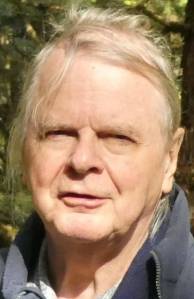
Rick Koch is the city manager of Kenai and a Republican candidate for Alaska House District 30.