Don’t let the abundance of snow fool you; Alaskans should prepare for wildfire season
Published 10:30 pm Wednesday, May 10, 2023


As Alaskans eagerly anticipate the delights of the approaching summer, they also worry about the upcoming wildfire season — and rightly so. Last summer’s 590 wildfires burned more than 3.1 million acres in Alaska, about 41% of the total acreage burned in the U.S. It ranks seventh among the number of acres burned in an Alaska fire season.
Much of that acreage — 1.2 million acres — was in Southwest Alaska, an area that has not generally had big fire seasons. The 2022 season more than doubled the area burned in that region since the 1950s.
It was also an early fire season. Despite widespread heavy snowpack across much of the state, more than 1 million acres burned before summer solstice.
Plus, the 2022 season impacted Alaskans across the state, from the voluntary relocations at St. Mary’s to widespread unhealthy air quality from smoke. Most tragically, we lost Doug Ritchie, a helicopter pilot supporting firefighters on the Clear Fire near Anderson.
The intensity of the 2022 Alaska fire season and the trend in increased fire activity in the state over the past few decades coincide with our rapidly changing climate. From 2003 to 2022 wildfires in Alaska burned more than 32 million acres, more than 2.6 times as many acres as burned from 1963-1982 and more than double the acres burned from 1983-2002.
As Alaska’s climate changes, the hot, dry and windy weather conditions that raise fire danger are becoming more frequent, starting earlier in the year, and ending later. When human activity sparks an ignition, a wildfire can quickly spread and endanger people and property. Despite this year’s late snowpack and cooler spring temperatures, dead grass and brush easily ignite once they’ve been exposed and dried in the sun.
Alaskans know we need to prevent and prepare for wildfires across the state and throughout the season —from the time the snow melts until it falls again. During Wildland Fire Prevention and Preparedness Week (May 7-13), it’s time to remind people of key ways to protect each other and our communities from wildfire dangers.
1. Alaska’s fire season is longer
On average, Alaska’s snowpack now melts two weeks earlier than it did in the late 1990s. This trend has led to an earlier start to fire season. Starting April 1, residents are required to get a Division of Forestry & Fire Protection burn permit = (https://dnr.alaska.gov/burn) and follow its guidelines for burning yard debris, using a burn barrel or burning off lawns on state, municipal or private lands.
2. Human-caused fires are more costly and life-threatening
People cause approximately 60% of Alaska’s wildfires. Those human-caused fires tend to occur closer to communities, threaten lives and property, and may require more resources to control than lightning-caused fires that tend to be more remote. Preventing these accidental ignitions is the most effective way to control wildfire costs and limit the damage wildfires can cause. Be vigilant with anything that can spark a fire, including equipment like chain saws and off-road vehicles, burn barrels, barbecues, ashes, and campfires — especially in dry and windy weather. Burn permits are required for residential burn barrels and small debris burns from April 1 to Aug. 31 each year and can be obtained from https://dnr.alaska.gov/burn or picked up from any DOF area office and local fire departments. These permits contain helpful resources and information to ensure you are following safe burning guidelines and have appropriate equipment. In April 2023, even with our lingering snow, there were already 17 human-caused fires as of Monday morning, many of which were caused by escaped campfires and burn barrels.
3. Fuel breaks protect homes and communities
Another proven way to protect Alaska communities from wildfires and save money is by constructing fuel breaks between populated areas and wildlands. A fuel break is a gap in vegetation that acts as a barrier to slow or stop the spread of wildfire. Federal, state, Tribal and local agencies and communities are working together to create fuel breaks that reduce flammable vegetation and enable firefighters to work more safely near communities. Fuel breaks helped firefighters protect nearby communities from recent Alaska wildfires, including the Funny River Fire in 2014 and the Shovel Creek and McKinley fires in 2019. Homeowners who follow FIREWISE guidelines on the DOF website can help this effort by preparing their property before a wildfire occurs. When adequately prepared, a house can withstand a wildfire even without intervention by firefighters who may need to travel a great distance to respond.
4. Smoky days are increasing across Alaska
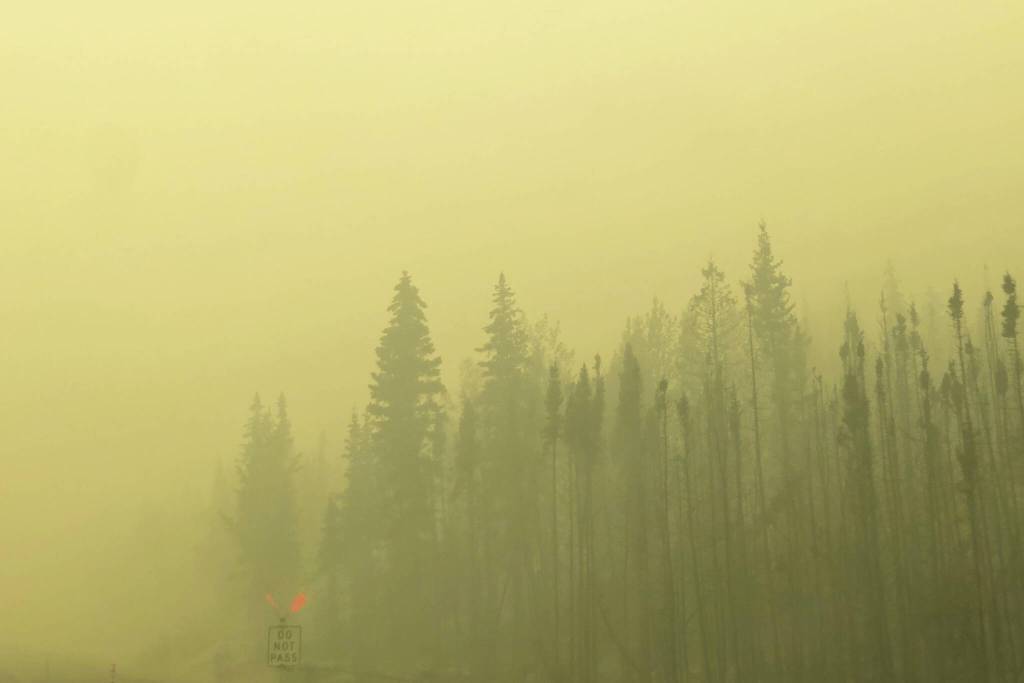
During active wildfire seasons like 2022, smoke particulates can dominate air pollution across wide areas of the state. Smoke can limit visibility so much that air travel is not possible, and poses a significant health hazard, especially to children, the elderly, and those with existing heart and lung conditions. Learn how to reduce your exposure to smoke.
More information about how Alaska’s fire seasons are changing is available in a recent report from University of Alaska Fairbanks International Arctic Research Center and the Alaska Fire Science Consortium called Alaska’s Changing Wildfire Environment.
Norm McDonald is the chief of Fire and Aviation for the Alaska Division of Forestry & Fire Protection. Kent Slaughter is the manager of the Bureau of Land Management Alaska Fire Service. Tyler Anderson leads Fire Operations for the U.S. Forest Service in Alaska.