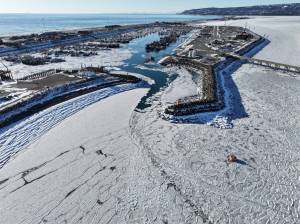
Seward shore power project moves into preliminary design phase
Published 10:30 am Monday, December 8, 2025

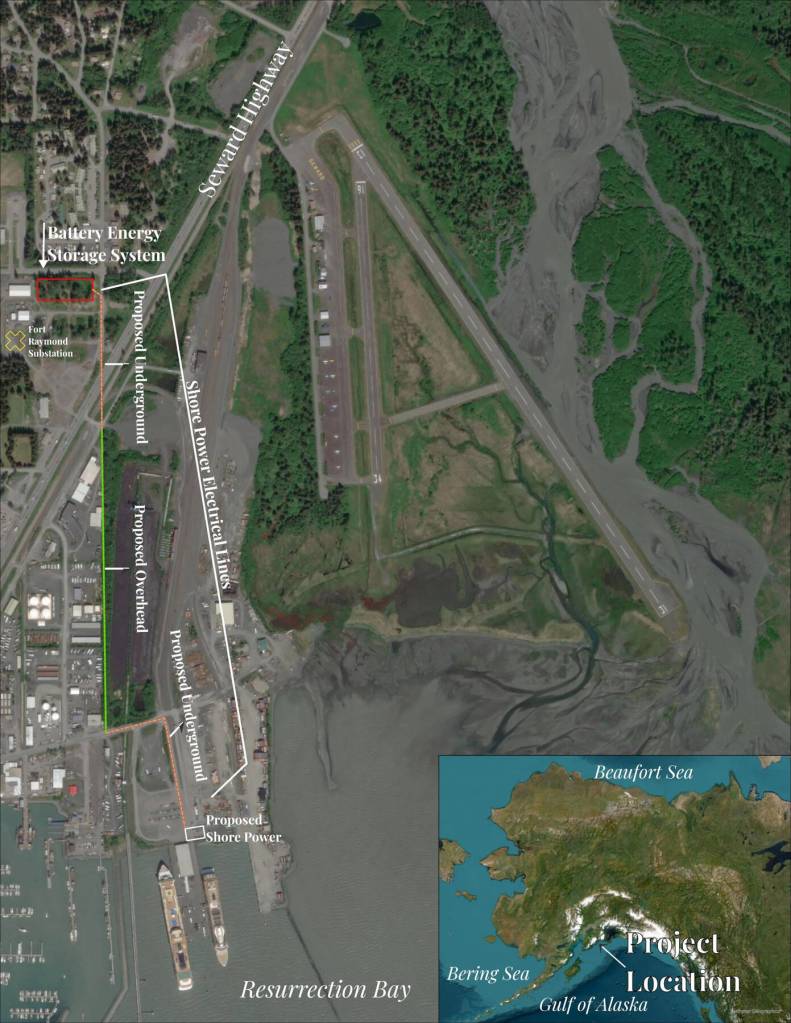

Seward City Manager Kat Sorenson said during an assembly meeting last Tuesday, Dec. 2, that the Port of Seward Vessel Shore Power Implementation Project is moving into its preliminary design phase. The project is expected to be fully operational in 2027.
Dock renovations to support the project are already underway. The Alaska Railroad, which owns and operates the two-berth cruise ship terminal at the head of Resurrection Bay, is working with The Seward Company, a real estate developer focusing primarily on improving cruise port infrastructure, to renovate the dock. Sorensen said construction will be completed in time for 2026 cruises.
A $45.7 million grant Seward received from the Environmental Protection Agency’s Clean Ports Program last year is funding the shore power project and dock renovation. That grant covers 90% of the project’s expenses, and The Seward Company is paying for the rest; the project uses no taxpayer dollars.
When cruise ships arrive in Seward, they run diesel engines while docked. Since Seward is a turnaround port, ships are docked for anywhere from 8-12 hours before continuing to Anchorage. The shore power project will greatly reduce air toxins and greenhouse gas emissions by offering an electric alternative, and Sorensen said Seward plans to pass legislation requiring the ships to plug in once the infrastructure is in place.
“A fun fact is that one ship inside the cruise ship terminal plugged in uses the same amount of power as our entire community in one day,” she said.
When two cruise ships are docked, Seward’s electricity usage will double, adding a large power consumer to the Midwest Energy Association, which is municipally owned. Right now, there isn’t enough power in Seward to meet the ships’ demands, so the shore power project will install twelve megawatt battery energy storage systems. According to the Seward Shore Power website, “BESS planning and design started in late summer 2025 and is ongoing.”
Sorensen said these systems can act as a backup power grid rather than relying exclusively on the four generators the city utilizes during power outages.
“We often see power outages between Anchorage — where we purchase our power — and Seward,” she said. “This battery energy storage system will be able to be tuned up so that our community still has power if that transmission is broken in the middle of winter.”
Because the EPA grant expires at the end of 2028, the project must be completed by then. Sorensen said the city is expecting ships to be able to plug in during the 2027 tourism season.
In the meantime, Sorensen said she expects the project to create jobs by partnering with the Alaska Vocational Technical Center to train “homegrown employees” as the project progresses from the preliminary design phase to construction. She said the city is beginning to create a workforce development plan.
“We included a portion of these funds to create a workforce development program at AVTEC for students from around the state to come and learn how to service this equipment and this infrastructure,” she said.
Folks can stay up to date on the project by subscribing to the Seward City Manager newsletter Sorensen sends out every two weeks. The next presentation will take place during the Seward City Council meeting on Jan. 12 at 7 p.m.
For more information, including answers to frequently asked questions, visit sewardshorepower.com.