Senate not shying away from PFD debate
Published 3:00 am Sunday, April 14, 2019
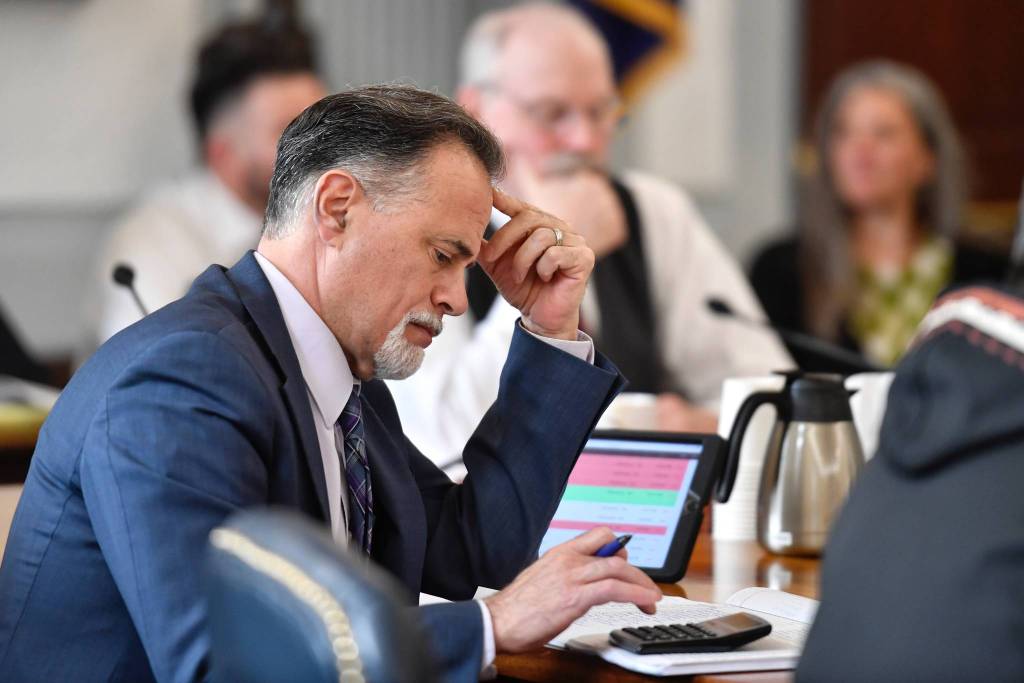
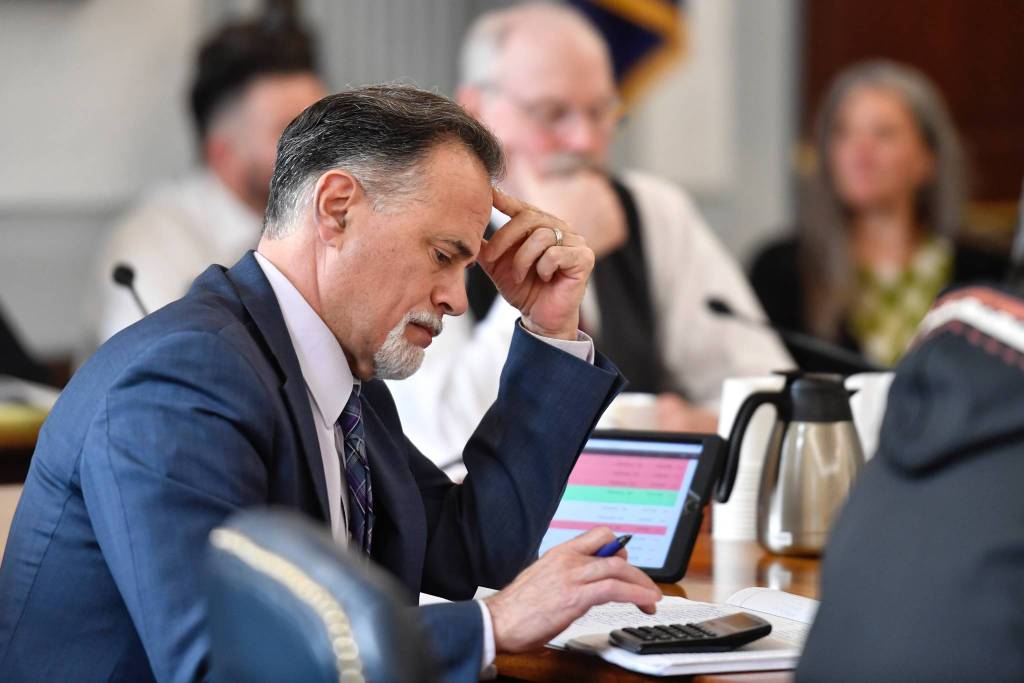
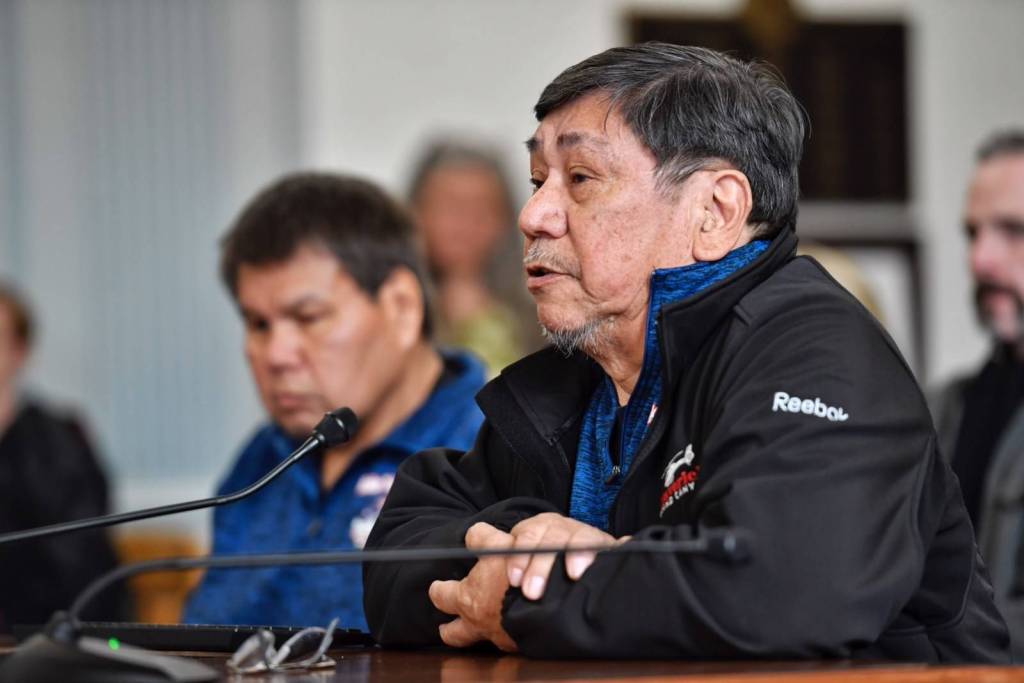

During the Alaska House of Representatives budget process, the issue of how the Permanent Fund Dividend fits into the budget hung over legislators like a raincloud threatening to burst. During the Senate’s budget process, the downpour might begin.
On Thursday, the House passed its operating budget, featuring about $250 million in cuts but not including any decision about whether the PFD should be used to pay for state government again. According to Senate leaders, the Senate will at least take a shot at figuring out how much the state can afford to pay its residents the annual oil wealth check payout and how much should pay for government services.
Senate Majority Leader Mia Costello, R-Anchorage, said she was disappointed in the House’s lack of action on addressing the PFD and said the Senate is looking to place conversations about the PFD among its top priorities during the budget process.
“It looks like the House put the dividend last, it’s their last priority by not funding (the PFD),” Costello said in an interview Friday, “and the governor has placed the dividend first. The Senate will prioritize the dividend along with public safety and health care and transportation and these important state priorities.”
Gov. Mike Dunleavy campaigned on the promise that residents should keep the full PFD and none should go toward funding state government. He promised to give people a full PFD that would be around $3,000, plus back payments to make up for the portions of their PFD they didn’t get under former Gov. Bill Walker. To make this possible, while also trying to erase a $1.6 billion difference between the state’s spending and revenues and without introducing new taxes, his budget proposal slashed funding to many state services deemed essential. Many concerned residents responded with outcry and outrage, and many Alaskans are grappling with the choice between a sizeable PFD and robust state services.
[Alaskans weigh cost of protecting PFDs]
Many legislators are looking to pursue a balance between PFDs and using Permanent Fund earnings to help fund government. Under Walker, the Legislature began reducing PFDs to help fund state government for the first time since the fund was set up in the 1970s. Senate Bill 26, which passed last year, allows the Legislature to pull from the earnings reserve to fund state government.
Senators have already been looking at ways to protect the PFD. Earlier this month, Anchorage Republican Sen. Natasha von Imhof, co-chair of the Senate Finance Committee, introduced Senate Bill 103, which would affect the way the Legislature spends the money it takes from the Permanent Fund’s earnings reserve. SB 26, passed last year, set a percentage that the Legislature can take from the earnings reserve, but didn’t set in stone how that money can be distributed between state spending and dividends.
Von Imhof’s bill would impose a 50-50 split between spending and dividends. In a statement issued when the bill was proposed, von Imhof said the bill is meant to start a conversation, and that it might not end up as a 50-50 split when the bill is finished. The intent of the bill, she asserted, is to establish a consistency in the way the money is distributed.
During a Friday press conference, Rep. Neal Foster, D-Nome and co-chair of the House Finance Committee, said the PFD would probably be about $1,284 if the House’s budget goes through as is. He said the PFD would be around $2,300 if von Imhof’s legislation passes as is.
Foster said in Friday’s press conference morning that members of the House wanted to get the budget out of the way before tackling the PFD. Costello said the Senate’s process will likely be different.
“I think what you’re going to see come out of the Senate is the dividend in the operating budget itself,” Costello said.
Von Imhof told reporters during a Friday morning press availability that the PFD would “most likely (be) within the budget itself.”
Senate Minority Leader Tom Begich, D-Anchorage, was surprised to hear that.
“It’s not my understanding that the dividend would be in the operating budget,” Begich said in an interview Friday, “and were I in the Senate Majority, I would caution against doing that. I think that would stand to place at risk a fairly well-thought-out budget process.”
[Opinion: The grasshopper, the ant and the PFD]
Foster said now that the House is done with its budget, they will start examining the PFD as well as the governor’s proposed crime bills. Speaker of the House Bryce Edgmon, I-Dillingham, has spoken this week about how large and difficult the decision around the PFD will be.
During a Thursday press conference, House Minority members including Rep. Delena Johnson, R-Palmer, were critical of the Majority’s decision to delay the debate on the PFD.
“When you talk about a budget in Alaska that doesn’t have any kind of mention at all about the PFD in it, I guess I would say that’s the most glaring omission I can even imagine,” Johnson said.
Senate Finance subcommittee meetings are expected to wrap up this coming week, Begich said. He and Costello agreed that the process has gone smoothly so far, and both pointed out that members of the Senate Minority have been serving as chairs of the subcommittees, which is a little unusual. Begich said he appreciated that, and Costello said this has paved the way for a diversity of viewpoints to be represented in the process.
• Contact reporter Alex McCarthy at amccarthy@juneauempire.com. Follow him on Twitter at @akmccarthy.