Medicaid expansion could be months away
Published 5:32 am Monday, December 15, 2014
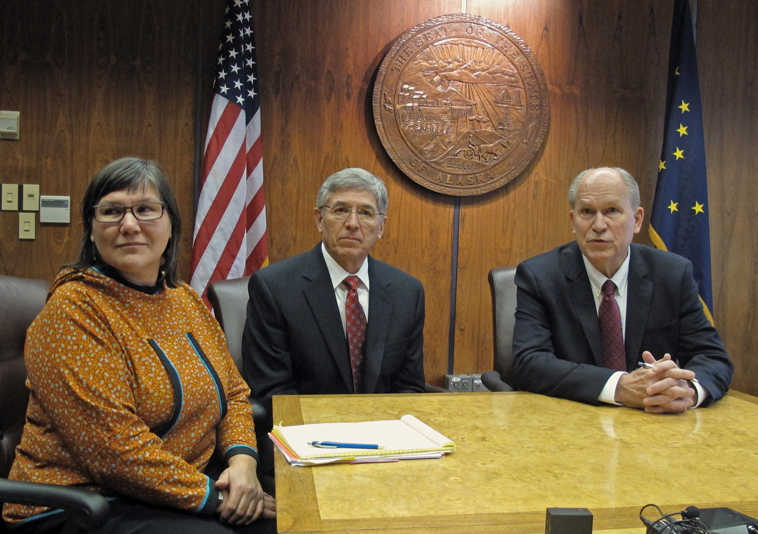
JUNEAU — State health commissioner Valerie Davidson said it could be July before the state is in a position to begin enrolling Alaskans under expanded Medicaid coverage.
Davidson said issues need to be worked out with a Medicaid eligibility system as well as with a Medicaid payment system that has been plagued by problems since going live in 2013. Both are being converted from one technology system to another, she said.
“We want to make sure that we are successful on day one. And in order to do that, we have to have systems that are capable of accepting new Medicaid expansion enrollees,” Davidson said in an interview with The Associated Press. “So we’re thinking probably we’ll be ready in July.”
The state in September filed an administrative complaint against the vendor it had hired to implement the new Medicaid payment system. That matter is pending.
As of earlier this month, there were about 230 defects in the system, down from nearly 870 last December, but some of those were resulting in claims not being paid or not being paid correctly, Davidson said. In addition to working out the payment issues, the state expects to get a corrective plan from the vendor by the end of this week that it will then review for possible approval, she said.
To accept expanded coverage, Gov. Bill Walker’s administration also will need legislative approval to receive and spend accompanying federal dollars, she said. For states that have opted for expansion, the federal government is expected to cover the cost through 2016 and the bulk of the cost indefinitely, with the states contributing.
The new legislative session is scheduled to start Jan. 20.
Walker, who took office Dec. 1, campaigned on expanding Medicaid coverage, something his predecessor, former Gov. Sean Parnell, resisted, citing concerns with costs and whether the feds would uphold their end of the bargain. Medicaid has been a major driver of the state’s operating budget, and the state is looking to rein in spending amid plunging oil prices and projected multibillion-dollar budget deficits.
Democratic lawmakers earlier this year supported legislation that would have the state accept coverage for those up to 138 percent of the federal poverty line provided the federal match did not fall below 90 percent. The bill never gained traction.
Davidson said reform is needed to ensure the Medicaid system is sustainable and looks forward to working with legislators toward that end. But she also sees expanded coverage as a catalyst for meaningful reform and as an investment in Alaska’s future. Medicaid is a program that helps cover health care cost for lower-income people. Through 2020, expanded coverage could help about 40,000 Alaskans, she said.
When people ask her if she’s worried about the federal government continuing to provide expected funding, she tells them there are no guarantees in life.
“That said, as a state we continue to improve roads, we continue to improve runways and the reason we do so is because, in order to grow business in our state, in order to grow the economy, we have to invest in that infrastructure in order to make those things happen,” Davidson said. “But we also need to think about investing in the health care of Alaskans as another important infrastructure investment, because we want Alaskans to be as productive as possible. And they can’t work, they can’t hunt, they can’t fish unless they’re healthy.”
The federal-state match rate after 2016 will be comparable to that for roads or other transportation projects, she said.
A Medicaid Reform Advisory Group was created by Parnell to look at possible changes to the Medicaid system. Davidson said she was trying to find information on what the group was working on.