‘It just feels very surreal’: a Q&A with Southeast’s recent Caldecott Medal winner
Published 2:30 am Wednesday, January 27, 2021
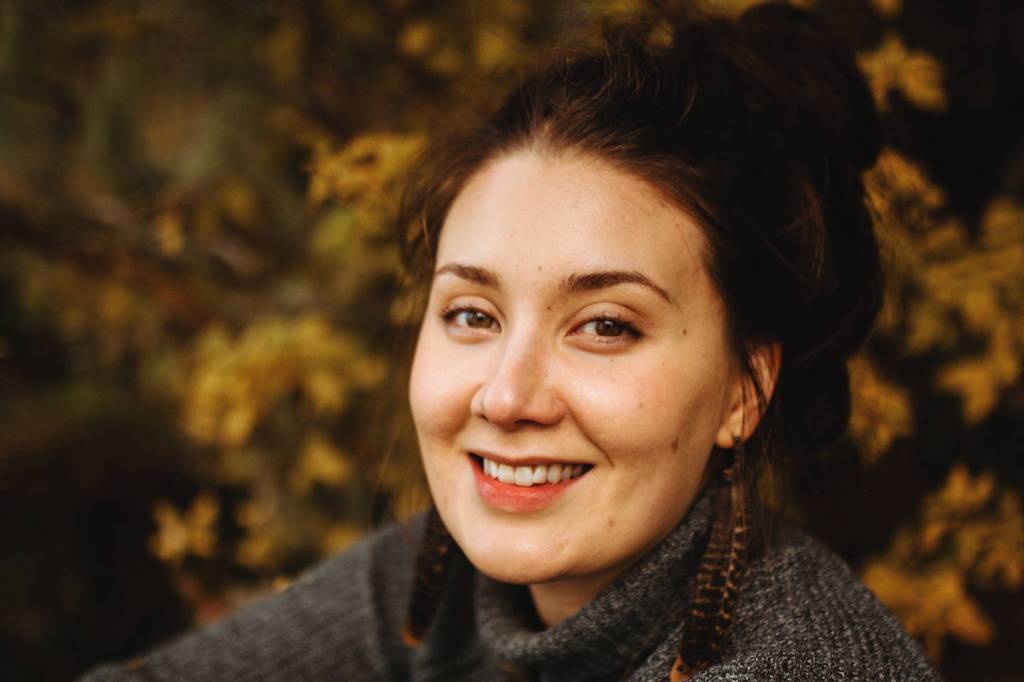
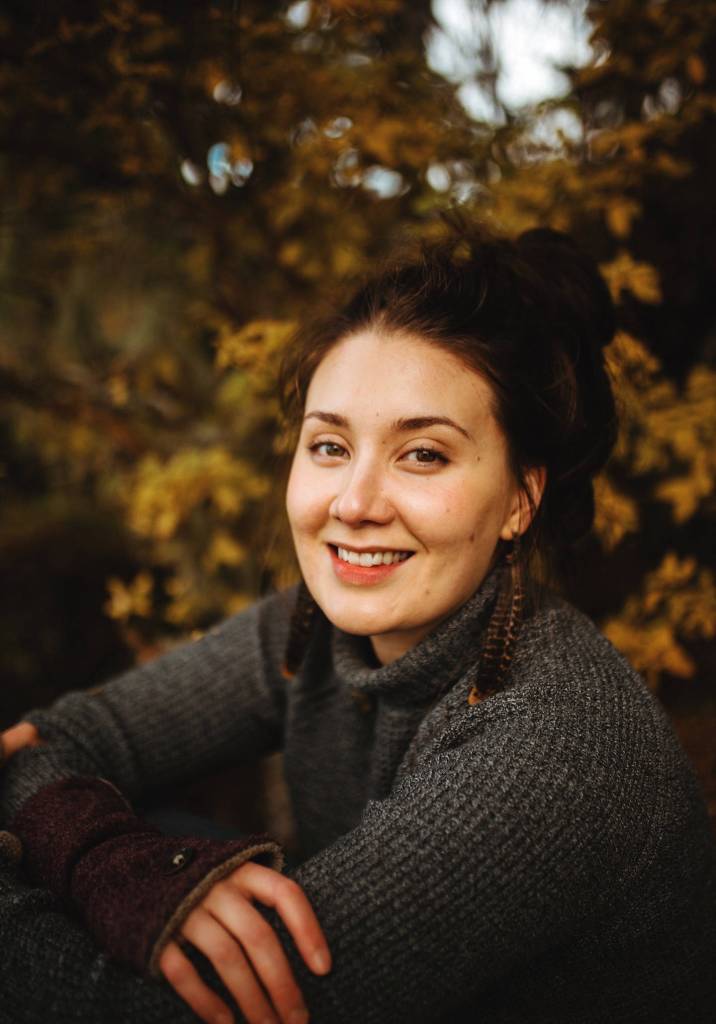
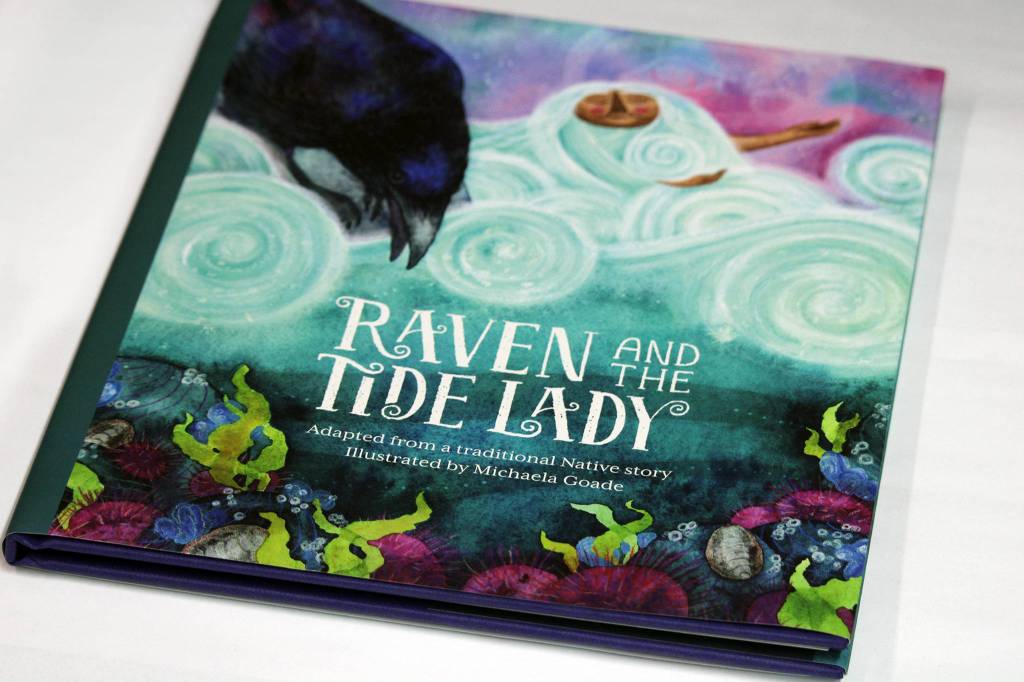


Homegrown artist Michaela Goade is having quite the start to her 2021.
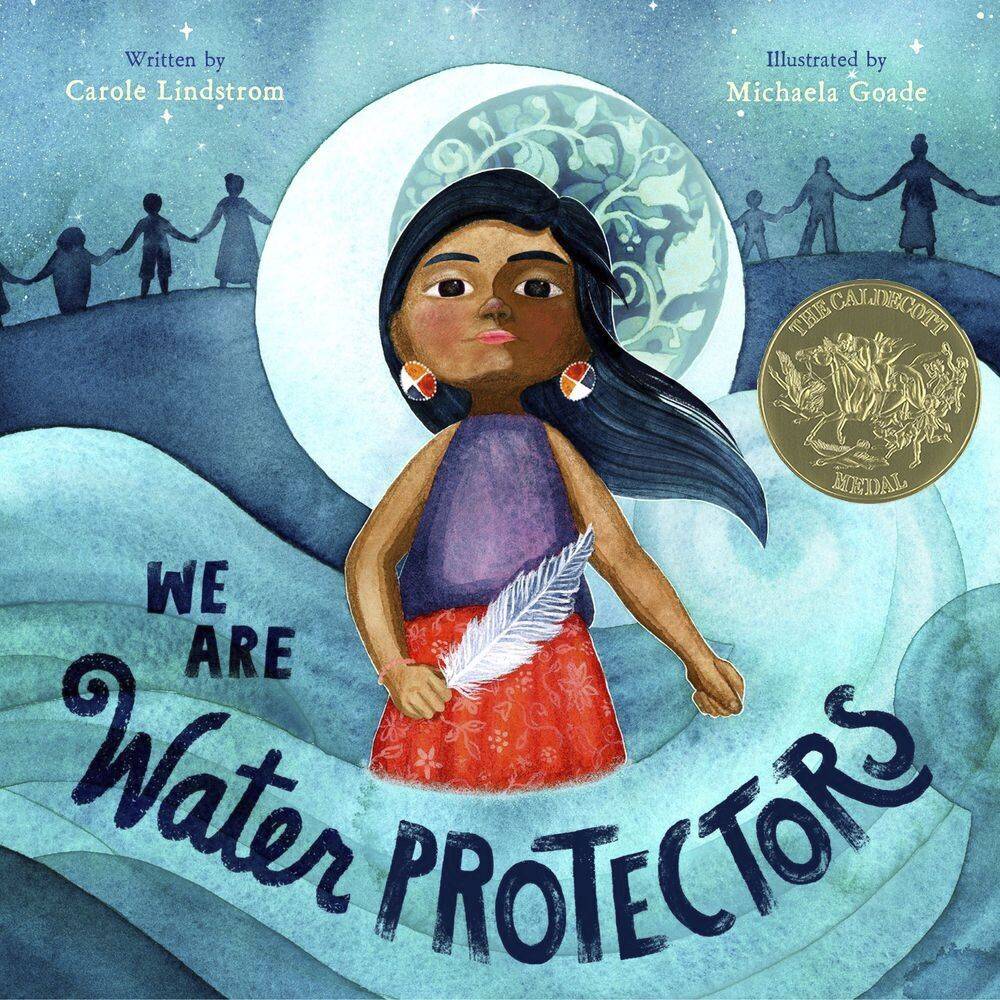
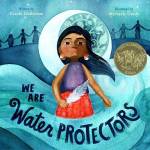
Rising to the spotlight just before the new year for her Google Doodle featuring Elizabeth Peratrovich, Goade again shot to national prominence this week when the book “We Are Water Protectors” won Randolph Caldecott Medal, making Goade the first Native American or Alaska Native to win the award.
Goade created the illustrations for the book. The manuscript, written in 2018 by Carole Lindstrom, is about Native American protesters fighting the construction of the Dakota Access Pipeline. Goade’s art was meant to evoke a higher sense of things, Goade said in an interview with the Empire.
Goade also took the time to chat about her recent prominent projects.
The interview has been edited for length and clarity
So how does it feel, winning a Caldecott Medal?
It just feels very surreal. It’s been described to me as the Oscars of the children’s literature world, which is a very niche thing. It’s the award for the most distinguished picture book: It recognizes the art specifically. It’s very much a celebration for my friend the author as well, Carole.
A Caldecott doesn’t come from nowhere. How long did this take to come to fruition?
I first received the manuscript from my literary agent back in 2018. That’s how publishing works. There’s long pipelines, long timelines. As timely as ever it feels this year. With picture book process, you spend a lot of time brainstorming and thinking about the visual narrative before you ever began painting. There’s a lot of research to do.
I wanted to make the Standing Rock Water Protectors proud. The painting process itself took about three to four months of intense painting; basically doing nothing else. I pulled all-nighters. I don’t know if people understand how crazy and time consuming these beautiful little books can be.
Initially, we had trips planned to Standing Rock and the reservation and we were going to meet a lot of people that the book is about. We’re still going to do it; it’s been delayed.
It was embraced all around. It was amazing to see how Carole’s message and my art resonated with people. It felt really uplifted.
Is it weird illustrating real, living folks that are out there right now?
I haven’t worked on many nonfiction books. It’s a unique book in that it’s not strictly nonfiction, but it sort of is. It was initially a challenge: The nature of the story was so moving that I had lots of opportunities to explore spiritual or cosmic themes within a literal story.
There was definitely heart and this anchor for this book, and it was Standing Rock.
You’re living in Sitka now. Are you from Juneau originally?
I’m from Juneau. I grew up there. We lived in this most beautiful little community out there in this most tucked away spot. My studio was by the ocean, in the forest and it was peaceful. I was really able to dive into this book.
As we know in Southeast Alaska, the ocean is ever-changing. It’s never one color. It’s got a spirit all of its own.
I worked in watercolor, which reflected this book even more. I didn’t want to distract from the Water Protectors themselves. I wanted to show the community and the humanity and the diversity of this historic gathering. It was powerful.
As far as I understand, you’re the first Alaska Native or Native American to pick off a Caldecott. What would you say to others striving to follow?
I feel honored to be recognized in that way. I think it’s also really important to recognize that I am the first, in 2021, and recognize that fact alone. Indigenous children can see this and have their identities valued and honored and hope that they’re inspired. That’s something I try to hold on to.
I might be the first but I will definitely not be the last.
Could you tell us a little bit about the Doodle?
I don’t really know, but I know that they contacted me in August last year. They said, we’d love for you to a Doodle if you can, and here’s the details. Once they told me, it was really exciting. We have a distant family relation with her (Elizabeth Peratrovich). We all grew up hearing about her here in the Southeast.
It was pretty straightforward. Here’s the subject. They didn’t really give me a ton of art direction. They just left it up to me. We narrowed it down to the final sketch, did a few revision rounds, and then got started painting.
I think the presidential election and debates were moving targets and that shifted things a bit.
The actual creation of the final product took about a week of painting after final revisions and fine tuning. Each project is like a whole other problem to solve. It’s never the same. Each book is a whole unique animal.
So each new project is a new thing? It’s just not an industrial process for you?
With every book, there’s a forest of self-doubt and anxiety that you have to get lost in and figure your way out. Every book has never come super smoothly or easily for me. Because if it was easy, I wouldn’t want to keep coming back to it. Having that challenge and that motivation to keep improving and keep making things better is what keeps a lot of folks going.
I learn so much with each book. When I started with picture books, I was working with Sealaska Heritage Institute in Juneau. That’s where I learned about how to illustrate. Each book has taught me so many new things. With Water Protectors, I learned so much about painting and new techniques.
Have you always worked on children’s picture books?
I went to school for graphic design and marketing. I wanted to do something for the arts. I worked as a graphic designer in Anchorage for a couple of years. Eventually I couldn’t ignore the pull of home in Southeast Alaska the more creativity.
I just wanted to work on picture books but had no idea how. Fortunately SHI was starting their Baby Raven Reads program. I quit my job and put in my proposal.
I’d grown up involved in the arts and painting and drawing but I’d never used watercolors before or learned about illustration specifically. I feel really grateful for all the opportunities I’ve had and I’m really looking forward to seeing where it takes me.
And watercolors have always been your vector?
I started with watercolors. That’s what I’m most comfortable with. Early on I was painting so much mountains and water and oceans and rain, everything we’re so familiar with.
I’m actually trying to figure out how I can make my own watercolors from the region. That would really combine my love of foraging and nature with the art.
What’s next?
I’m about to begin paintings for my next book. It’ll be my own book, my first book as an author-illustrator. I have a book coming out in April. Having the Caldecott now and having a book come out now, “I Sang You Down from the Stars,” written by (Cree and Trinidadian author) Tasha Spillett-Sumner.
It celebrates the loving bond from a mother and new child from a Native perspective. It celebrates our connection to land and culture. I also think it has universal appeal. It was fun to work on something a little different. At the core, there’s a lot of similar themes. Land is central to identity, and especially central to Native identity.
Looking to get a copy?
Goade recommended going through Native-owned establishments such as Birchbark Books and Red Planet Books and Comics, or through Bookshop.org. The book is also listed as on backorder at Hearthside Books in Juneau.
Contact reporter Michael S. Lockett at 757- 621-1197 or mlockett@juneauempire.com.