Homer council puts brakes on some Jet Ski action
Published 10:30 pm Monday, April 26, 2021
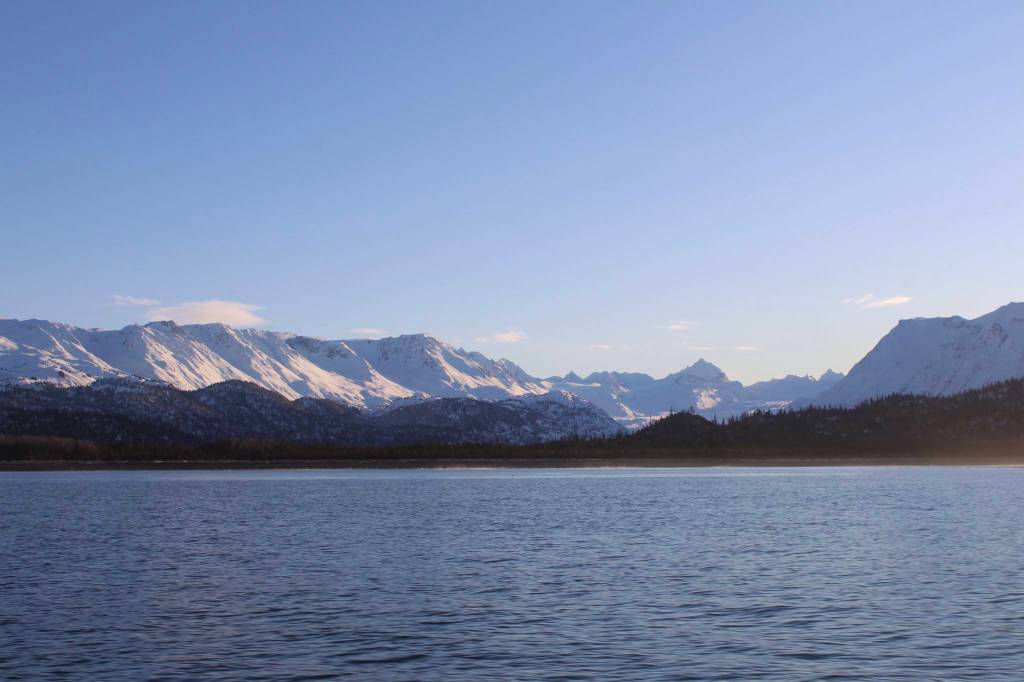
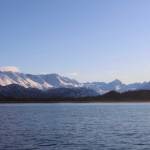

The Homer City Council this week took further action to limit the way personal watercraft can be used in part of Kachemak Bay.
During a city council meeting on Monday, they voted to prohibit the launch of personal watercraft, commonly referred to as Jet Skis, from city-owned beaches and to introduce legislation that would reduce the city’s no-wake zone and prohibit the use of motorized vessels in some areas.
The legislation is a response to the repeal of a regulation banning the use of personal watercraft in the Fox River and Kachemak Bay Critical Habitat Areas by the Alaska Department of Fish and Game last December. ADF&G made the decision to repeal the regulation after Gov. Mike Dunleavy encouraged state departments to purge “overburdensome regulations” preventing people from enjoying Alaska. Use of personal watercraft remain prohibited in Kachemak Bay State Park and Kachemak Bay State Wilderness Park.
Those in opposition to the use of personal watercraft in Kachemak Bay say the vehicles may disturb wildlife and critical habitats. Those in favor say it will increase public access to critical habitat waters and that modern Jet Ski models are less damaging to the environment than older models.
“Jet Ski” is a registered trademark of Kawasaki, but is commonly used to describe personal watercraft, a type of boat in which the rider sits on top and steers it with handlebars like a motorcycle. Legislation usually refers to such vehicles as personal water craft, or PWCs.
The Homer City Council considered two pieces of legislation aimed at restricting personal watercraft use in Kachemak Bay. The first, an ordinance introduced at the council’s April 12 meeting, amends Homer City Code to prevent the launching, landing or retrieving of motorized watercraft from city-owned beaches except for “official business use.” City beaches extend from the area below Baycrest Hill to Bishop’s Beach, around the Homer Spit and along the Kachemak Drive beach at Mud Bay to Miller’s Landing.
Patricia Cue, who testified in support of the legislation prohibiting personal watercraft launch from city beaches, said she first saw a Jet Ski being used in Kachemak Bay during the Winter King Salmon Tournament while driving on the Homer Spit. Cue said she could tell it was a Jet Ski because of how fast it was moving.
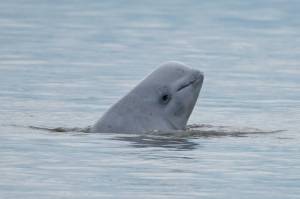
“Nothing would have been able to escape the path of the Jet Ski moving at that high rate of speed,” Cue said. “Marine mammals, such as sea otters, whales, dolphins and seabirds as well as swimmers, surfers and other people recreating in the water are in danger from these vehicles.”
The ordinance was adopted unanimously.
The second piece of legislation considered by the council Monday is sponsored by council member Rachel Lord and would extend the no-wake zone throughout city tidelands, close Louie’s Lagoon on the Spit and the entrance to Beluga Slough to motorized vehicles and authorize up to $2,000 to be used for regulation changes related to motorized vessels.
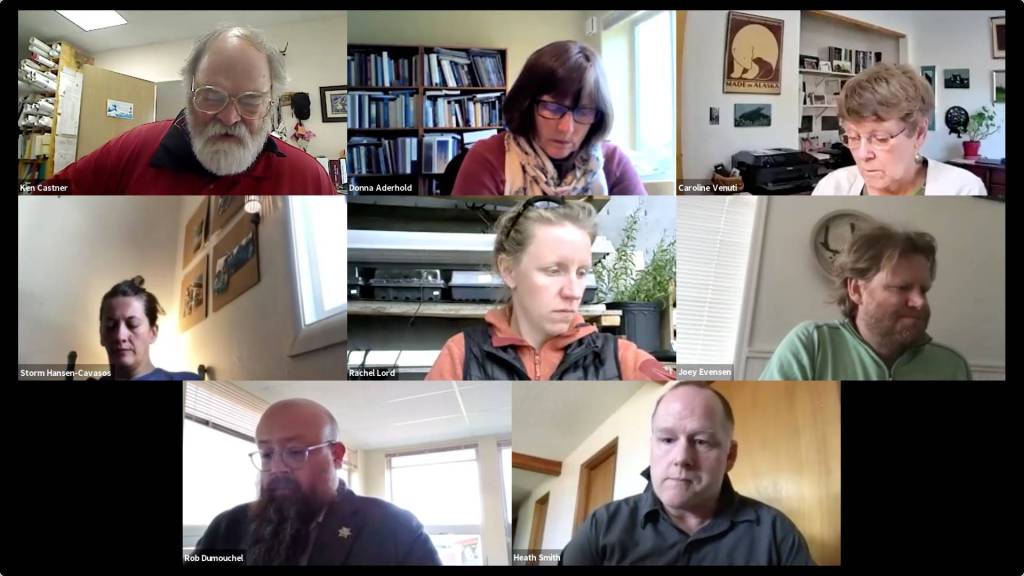
The council discussed the ordinance during a Committee of the Whole meeting, which immediately preceded Monday’s regular council meeting. Homer Mayor Ken Castner said during that meeting that while he is “totally against” the way Gov. Mike Dunleavy has handled the issue of personal watercraft in Kachemak Bay and supports closing the lagoons, he has a problem with extending the city’s no-wake zone, which he said may not be enforceable.
“The wave action on the Spit is much more rigorous than any wake that could come in there,” Castner said. “… It seems to make a law that’s not enforceable and … that doesn’t even really comparatively do any damage compared to what we naturally have there.”
When ADF&G repealed the personal watercraft ban in the critical habitat zones, Rick Green, a special assistant to ADF&G Commissioner Doug Vincent-Lang, said that the regulations would include a 100-yard no-wake zone for the Fox River Critical Habitat Area. He said in December 2019 that other no-wake zones could be added if the need arose.
Lord said enforceability is “definitely a challenge,” but that the measure is similar to other no-wake zones in the city and that the legislation will be reviewed by other city committees before approval.
“I think it’s good governance in the sense that, short of doing nothing, it’s the least restrictive path towards a proactive assessment of potential problems,” Lord said. “The problem really isn’t on a crazy windy day or when the tide’s rushing in and all that, it’s on a day like today where it’s super lovely out and people might be paddleboarding or … walking along the shore … and people are out in Jet Skis wave hopping and zooming around in circles for hours on end.”
Council member Joey Evensen said he thinks Mariner Park Slough, the Nick Dudiak Fishing Lagoon and Mud Bay should be added to the legislation.
The council voted in favor of introducing the legislation after several members of the public testified in support.
Rika Mouw, who testified in support, called the ordinance a “simple and elegant way” to slow down all motorized traffic without pointing fingers at a specific user group.
“I think that this is a really elegant way of just slowing all traffic down and minding that there is wildlife out there in the middle of Mud Bay — otters, seals, birds, you name it,” Mouw said. “… I fully support moving this through to either commissions for their input and hope it comes through.”
A public hearing on the ordinance will be held during the council’s May 10 meeting, which Lord said was meant to allow time for the legislation to be reviewed by other city commissions, including the Homer Planning Commission, the Port and Harbor Commission and the Parks and Recreation Commission as well as by city administration including the city’s legal staff.
The council’s Monday night can be viewed on the city’s website at www.cityofhomer-ak.gov.
Reach reporter Ashlyn O’Hara at ashlyn.ohara@cmg-northwest2.go-vip.net/peninsulaclarion.