Windy Wagner: Breath of fresh air or just a blowhard? (Part 3)
Published 10:30 pm Friday, July 28, 2023
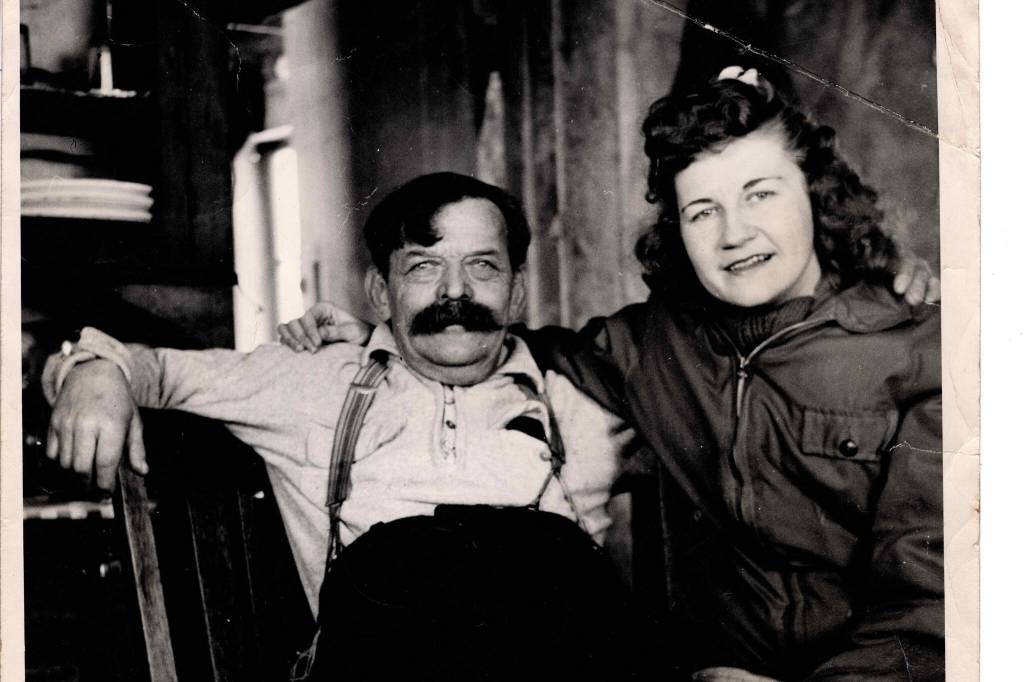
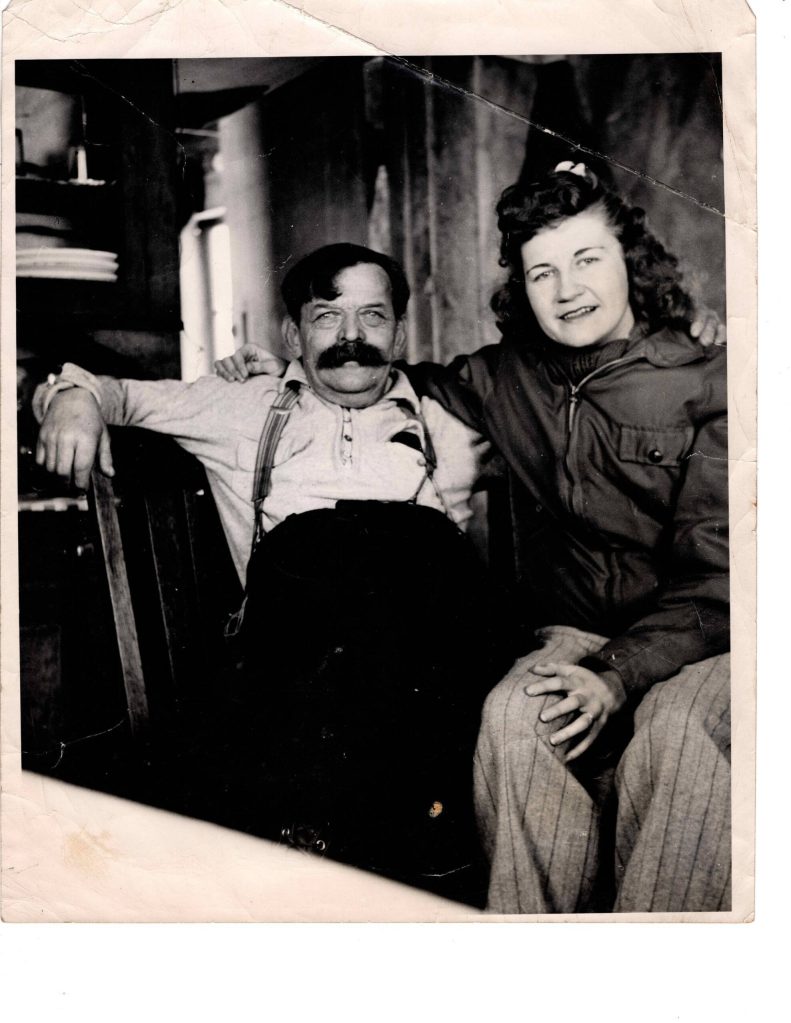
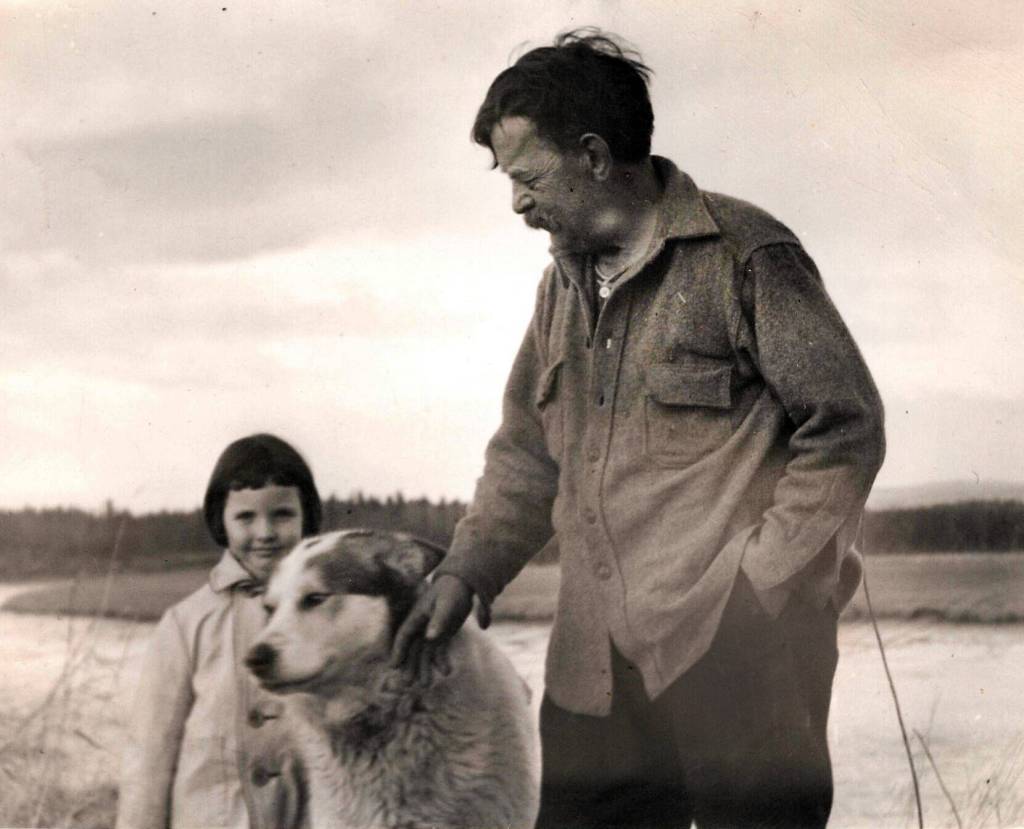

AUTHOR’S NOTE: The last third of Charles Wagner’s memorable life involved occasional run-ins with the law and, later, declining health. Still, the trapper and former licensed hunting guide was an integral part of his community and the owner of a larger-than-life personality. This is the conclusion of a three-part story about the life of the man most people knew as “Windy.”
Starting in the decade after his time as a licensed hunting guide — a time during which he had sworn an oath to uphold the state’s rules and regulations — Charles “Windy” Wagner began to run afoul of the law from time to time.
In August 1928, game warden Charles L. Cadwallader, acting on information from hunting guide Al Hardy, reported that he had traveled to Kenai, had arrested Wagner for a game violation and had gotten a quick conviction.
In December 1929, on Fourth Avenue in Seward, Wagner argued with Bill Patterson over a fox skin. During the argument, Patterson was knocked unconscious when, it was asserted by witnesses, his head came in contact with pavement. Wagner spent a night in jail. The next morning, the city magistrate fined him $50, plus court costs.
In February 1944, Wagner pleaded guilty to setting traps on Swanson Creek prior to the beginning of the beaver-trapping season, setting traps within 25 feet of a beaver house, and trapping a beaver the day before the season opened. He surrendered the beaver pelt and was fined $150.
Around this same time, Wagner’s home, which he had purchased for $200 in 1920, began declining in value. The 1940 U.S. Census reported that the structure was worth only $100.
Homesteader Rusty Lancashire recalled traveling downriver with her children to Windy’s place in the summer of 1950 because Wagner had promised to get her some salmon to build up the family’s food stores. Lancashire and her three daughters stayed in his guest room, she wrote to relatives Outside, referring to it as “one none of you would care to sleep in.”
“I took off our shirts and laid them under our faces,” she said, “to have a sorta clean place to lay our heads. I hated having the children sleep in such dirt—but we needed winter fish.”
The 73-year-old Wagner, always willing to help out neighbors and friends, had no luck on that occasion but ultimately came through for Lancashire. “About 10 days later — around 6 a.m.,” she wrote, “there was much jangling at (my) door, and in walked Windy.” His gift was five five-gallon cans full of fish.
Despite the filth in his house and the increasing unreliability of his body, Wagner continued to feed his visitors, provide them with warm shelter, and regale them with the tales that Lancashire — an adept storyteller in her own right — classified as “a little on the shady side.”
Kasilof old-timers Dolly Christl and Dolly Gerberg said that in the mid-1940s, when nurses Vera Liebel and Mary Douglas Barnsley wanted to build a cabin of their own on the shore of Tustumena Lake, Wagner helped them cut the logs and drag them down to the construction site.
In January 1948, when one of his neighbors, Ethen Cunningham, was gunned down by another neighbor, William Frank, it was Wagner who sent his friend Jimmy Minano to fetch the marshal while he persuaded Frank to surrender his .30-30 rifle and wait peaceably in Wagner’s home for the authorities to arrive.
Declining Years
By the late 1940s or early 1950s, Wagner was suffering from heart problems. He decided he needed to leave the Kenai Peninsula and go somewhere he could be closer to regular medical care and have fewer responsibilities. He told the census taker in April 1950 that he hadn’t worked for pay at all in the previous year. In fact, he said, he was unable to work.
In April 1951, Windy sold his home and property to Hank Knackstedt, with one proviso: He insisted that Knackstedt give some small portion of Wagner’s land to Jimmy Minano. Knackstedt agreed and later gave Wagner’s friend a small parcel on the riverfront.
With his Kenai estate thus taken care of, Windy Wagner packed his bags and moved to the Pioneer Home in Sitka, where he remained for nearly four years and became a member of the Sitka Elks Lodge.
In 1955, Wagner moved to Tenakee Springs on Chichagof Island. The record is unclear, but it is believed that he moved there to take advantage of the area’s natural, healing waters.
It was also about this time that he traveled to Juneau, where a doctor began treating him for myocarditis, an inflammation of the middle muscular layer of the heart wall. Myocarditis can weaken the heart’s ability to pump blood.
At 11:30 p.m. on Jan. 12, 1958 — two days after his 81st birthday — Charles A. “Windy” Wagner succumbed to his heart condition at St. Anne’s Hospital in Juneau. Considered indigent at the time of his death, he had been living in a Juneau apartment building called Ferryway Rooms.
Wagner’s funeral service in Juneau three days later was held at the Carter Chapel and guided by Elks Club rituals. He was interred in the Elks Rest plot of Evergreen Cemetery. Because of his indigent status, his Pansy Lamb-style casket and all other funeral expenses ($255) were paid for by the city’s Welfare Department.
If a marker was placed upon his grave at the time, it is no longer apparent at the cemetery today, although the existence of his grave is noted on a digital map on the City of Juneau’s website. In June 2023, Ben Patterson of the city’s parks department probed the gravesite and checked it with a metal detector but found no trace of a buried or disintegrated marker.
Patterson said it is likely that either no marker was placed on the grave or that the marker was made from a wooden plank or some other, non-durable material. Only a smooth patch of grass remains.
Five years after Wagner’s death, Will Troyer, then manager of the Kenai National Moose Range, in an effort to administratively organize the myriad bodies of water of the western Kenai Peninsula, named a small lake near the southern tip of Tustumena Lake after Wagner.
Perhaps unknown to Troyer, old-timers in the area had already named that particular body of water: King Lake, a moniker dating back to the time of renowned trapper (and friend of Wagner’s) Andrew Berg, who had had a trapline shelter in that location.
Nevertheless, in 1963 Windy Lake was born. And Charles Wagner received his marker after all.