These plants are the next best thing to chocolate
Published 12:25 am Friday, February 7, 2014
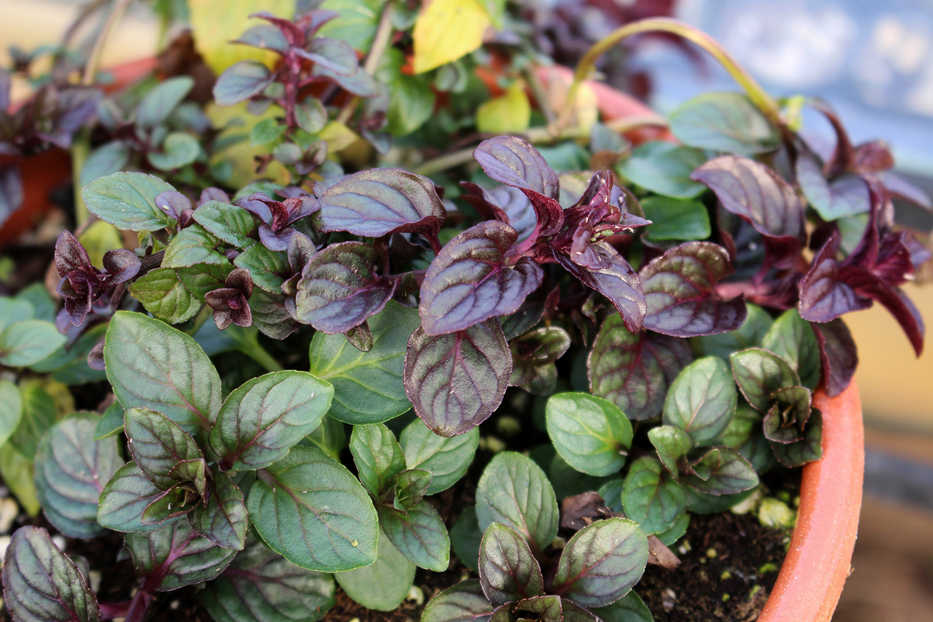
With Valentine’s Day coming up, thoughts naturally turn to chocolate. How nice it would be for gardeners to give their beloved a living, growing, chocolate expression of affection.
Alas, chocolate, native to steamy equatorial lowlands, is not usually productive when grown as a houseplant. Even if you could get the football-sized pods dangling from the trunk of a chocolate tree, fairly intricate processing is needed before you’d have something worth sinking your teeth into.
But there are some chocolate-y alternatives:
A number of plants — Chocolate Ruffles coral bells, Chocolate Cake gladiola and Sweet Chocolate pepper, for example — have chocolate-y looking leaves or fruits. Let’s shy away from them, though, because their chocolate is only skin deep.
Plants with chocolate-y aromas offer instant gratification more akin to Hershey’s Kisses. For an affair on shaky ground and needing a quick horticultural chocolate fix, I suggest a peppermint geranium plant. Peppermint geranium makes a nice houseplant for a sunny windowsill, and, in spring, feathery white blossoms add to the sensual pleasure. OK, it’s not chocolate, but there is that common association of peppermint and chocolate.
The Chocolate Mint variety of peppermint is another plant that shares its aroma as soon as it is in hand. Close your eyes and this one’s a stand-in for a Peppermint Patty. I’m not sure there’s really any chocolate in that peppermint-y aroma; perhaps it’s the chocolate-y hue of the leaves and the power of suggestion. Chocolate Mint, like other mints, is easy to grow and multiply. Mints do become scraggly indoors, so plan on eventually planting chocolate mint outdoors in a sunny garden bed.
Wax plant (Hoya carnosa) is an easy-to-grow houseplant with a genuine, sweet, chocolate-y aroma, though it might require some patience. The aroma comes from the flowers, which are not borne continuously. Still, if you and that special person can stand the wait, just hold hands and admire the way the fleshy leaves twist around in their waxy smoothness. The pure chocolate aroma is worth waiting for.
Other plants could cement a romance with the smell of chocolate in the months and years ahead. Despite its name, summer snowflake offers up its fragrance — admittedly slight and, to some noses, just sweet rather than chocolate-y — in spring. The “snowflake” part of the name is apt, however, for this bulb’s nodding blooms are indeed snowflake white, much like those of another bulb, snowdrops, except larger.
Summer brings chocolate-y scents from two annual flowers: chocolate cosmos and birds’ eyes. This cosmos has dark, almost black blossoms. Chocolate cosmos grows from a fat tuber, which you lift in the fall and replant each spring, just as you do dahlias. Birds’ eyes (Gilia tricolor) was once a popular half-hardy annual, loved for its profusion of creamy white flowers, which have dark brown throats and petals edged in purple blush. The chocolate scent is there, but slight.
Chocolate daisy (Berlandiera lyrata) is a perennial flower that is strong in scent and tough in disposition. And the plant’s also pretty, displaying characteristic daisy heads of yellow petals around green eyes for weeks and weeks through summer. Cut some blossoms, plunk them into a vase of water, and I guarantee your lover will be looking for hidden chocolate bars or “Kisses.”
Chocolate also wafts from a perennial vine. Crossvine (Akebia quinata), also known as five-leaf akebia, is native south of Virginia but root-hardy much further north. Grown in full sun, this vine covers itself with brown or reddish-brown trumpet-shaped blooms that blare out a mocha scent for a few weeks each spring. The flowers are followed by sausage-shaped, violet fruits that split lengthwise when ripe to reveal a jellied pulp — interesting and edible, but not even a hint of chocolate.
Caution: In some regions, akebia is listed as an invasive plant. Contact your local department of environmental conservation or cooperative extension office to find out if this is so in your area.
So between long-lived vines like akebia and an annual like birds’ eyes, the plant world abounds with chocolate-y aromas even if you can’t accommodate the real thing. Inhale to your hearts’ content; no one ever got fat or sick from too much of this kind of chocolate.