Alaska Power Company suing luxury lodge over public access to recreation site
Published 3:30 am Friday, May 29, 2026
A dispute over a small strip of land is threatening to carry big costs to a group of Alaska electric customers.
The Alaska Power Company (APC) has filed a civil suit against a luxury tourist lodge situated near Glacier Bay National Park.
The company contends that the owners of the Bear Track Inn are blocking public access to an easement to an area used for recreation in Gustavus, Alaska.
And that lack of access puts APC at risk of losing its license from the Federal Energy Regulatory Commission (FERC) for the Falls Creek Hydroelectric Project, “which would result in the need to generate electricity from diesel fuel at a much higher cost to the public,” according to documents filed May 20 in Juneau Superior Court.
When notified of the legal filing by the Juneau Empire, the Inn’s owners said they were disappointed APC is willing to waste ratepayers’ money filing suit over this matter and unwilling to consider reasonable alternatives.
An emailed statement from Michelle and David Olney said the FERC license requires APC to provide a gate at the intersection of Rink Creek Road and the spur road that leads to the Falls Creek Project, and to provide for parking outside that gate.
“The license always contemplated public pedestrian and bicycle access only beyond that gate, which has always been permitted in order to reach the recreational trails on the project site itself. What the FERC license never contemplated was public vehicular access beyond Rink Creek Road.”
The couple cites several incidents of vandalism, unsafe driving, illegal hunting, and trespass by people driving on the road in recent years. The Onleys state that APC initially agreed to provide the gate but decided against it after a management change.
“It is in that context that we provided our own gate and parking outside that gate, permitting people to park and walk or bicycle up the spur road.”
They say this adds about a half mile to the trip to the Falls Creek Project trails, and is what was always required by the FERC license.
“While we believe that APC is, in fact, in violation of its FERC license for not providing the gate and parking, its suit against us will not correct that violation,” said the Onleys.
The court documents state a Sept. 12, 2009 agreement granted public access to the easement, which was signed by Jane Olney in her capacity as president of Bear Track Inn and trustee of the Olney Trust, and Gustavus Electric Company, the predecessor of APC.
The suit contends there was no issue with access to the the easement until David and Michelle Olney took over as owners and operators of the Bear Track Inn.
“Sometime in 2023, Defendants David Olney and Michelle Olney began confronting members of the public recreating in the area, attempting to limit public access through signs and online information,” according to the court filing that further alleges direct verbal confrontations and installing blockages on the road.
The lawsuit contends the defendants constructed a barrier around September 2025, blocking public vehicle access FERC required the company to provide and maintain. APC claims it has been unsuccessful in numerous attempts to work out an agreement with the defendants and FERC has found APC in violation of its license for failure to assure public vehicular access to the parking area.
APC says it had originally planned for the access road to cross through the middle of the Bear Track Inn property, which was the most direct and cost-effective route for the project. However, the route required in the agreement with Jane Olney imposed substantial additional costs, according to the filing, citing a longer road; larger investment in transmission facilities; construction through more difficult terrain; and increased ongoing operations and maintenance activities.
A letter from Gustavus Electric Company president Richard Levitt says the concessions added about $2 million in costs to the project, which would be borne by the ratepayers.
The court document says as a result of the defendants’ breach of the agreement, APC is threatened with the loss of its public utility license for the Falls Creek Hydroelectric Project.
The civil suit is seeking for the defendants to be prohibited from obstructing public vehicular access to the parking area. The suit also seeks a judgment for compensatory damages of not less than $100,000, the exact amount to be proven at trial, as well as an award of the costs, disbursements, and attorney’s fees incurred by the plaintiff.
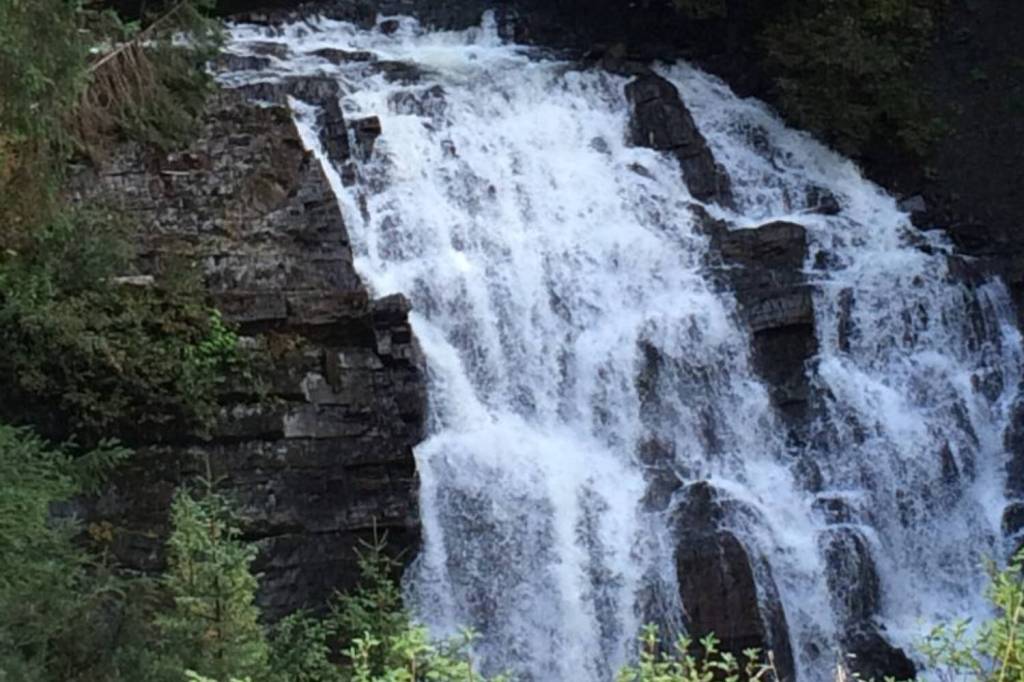
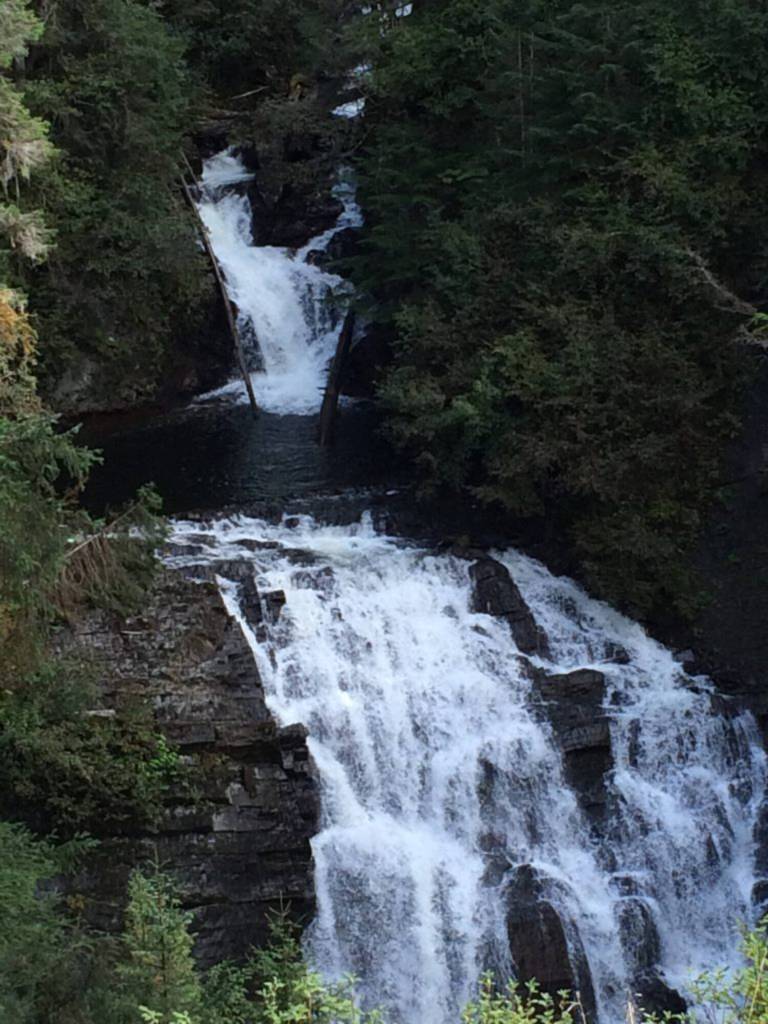
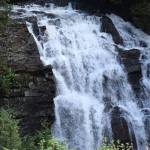
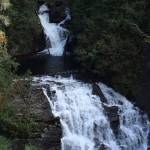
The 800-kilowatt Falls Creek Hydroelectric Project is located approximately five miles east of Gustavus, a town with a population of 655 in the 2020 census, and uses a portion of the flow and head of Falls Creek to generate electricity.
The water is diverted through a pipeline 9,700 feet to a powerhouse that contains a single-unit turbine and generator. To get the power out, a transmission line is buried for 6.4 miles to the nearby community. This project displaces approximately 300,000 gallons of diesel fuel annually.
As mitigation for constructing this project, recreation is allowed on project lands as well as providing access to National park lands and wilderness areas around the project.
None of the allegations have been proven in court.