Moose-vehicle collisions on track with average for peninsula
Published 7:45 pm Wednesday, January 25, 2017
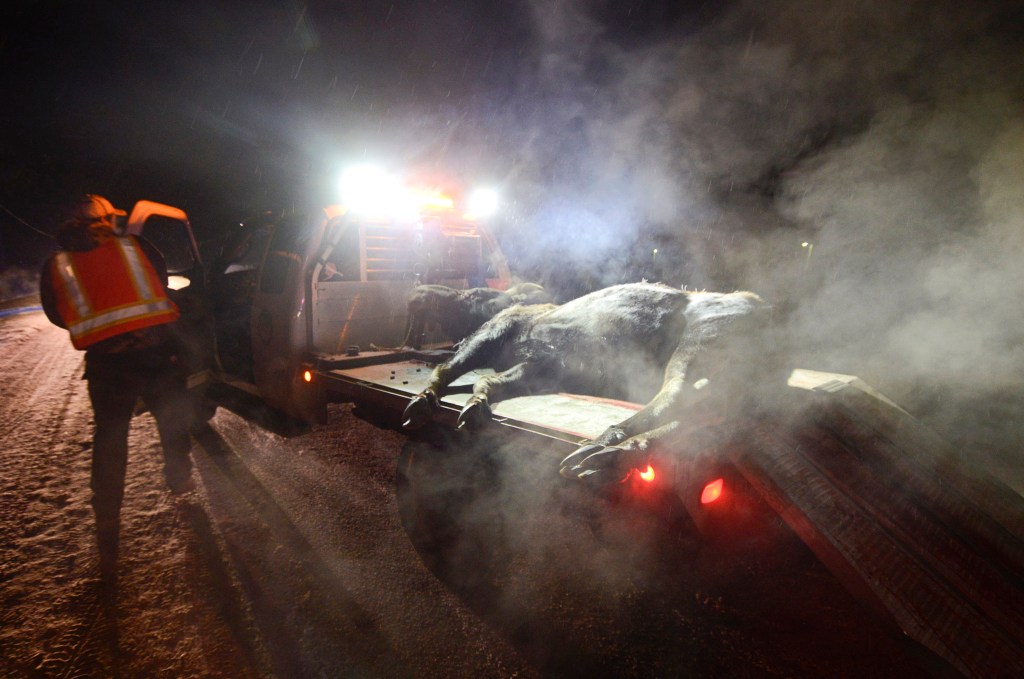
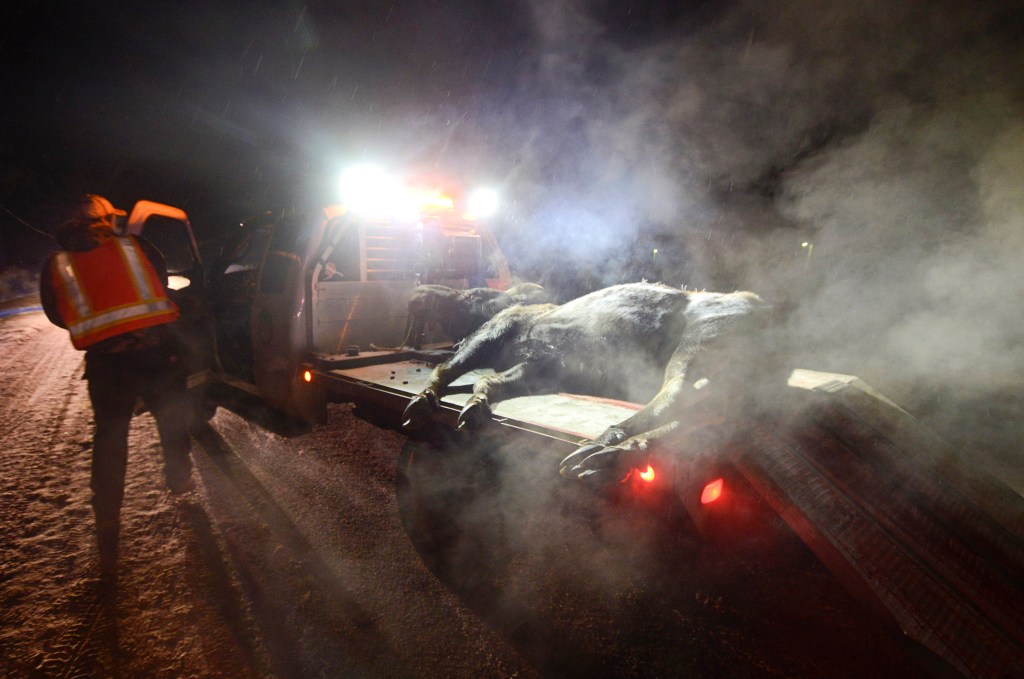


One of the Kenai Peninsula’s most iconic animals for hunting and viewing is also the one of the most accident prone.
About 250 moose are killed on Kenai Peninsula roads each year, according to the Alaska Department of Fish and Game website, and experts say this year is shaping up to be much the same.
Last year, 239 moose were hit and killed by vehicles, said Larry Lewis, a fish and wildlife technician in Fish and Game’s Soldotna office. The year is on track to be average in terms of the number of moose killed by vehicles, Lewis said.
From July 1, 2016 through the end of December, Fish and Game has recorded 153 moose that were hit, reported and recovered, according to Lewis and Jeff Selinger, the area wildlife management biologist for Fish and Game in Soldotna. That breaks down to 14 moose in Game Management Unit 7, 63 moose in 15A, 37 moose in 15B and 39 of them in 15C, Selinger said. The count resets every July 1.
“The vast majority of those wind up going to charities,” Selinger said, though some that are too damaged by a vehicle accident can’t always be salvaged.
It’s important to understand that these numbers are not representative of all the moose that get hit by vehicles on the peninsula, Selinger and Lewis said. Sometimes moose are hit and reported to Alaska State Troopers, but manage to walk away and aren’t recovered. Other times they are hit and not reported at all, they said.
If the peninsula continues to get heavy snowfall, the current tally could rise, said Jessica Ilse, a wildlife biologist with the U.S. Forest Service for the Chugach National Forest.
The snow the peninsula has gotten so far this winter has been a “mixed blessing,” Lewis said. More snow makes it easier to see moose along the road because they stand out against the white backdrop, but also makes it harder for moose to forage and sends them closer to areas where snow is cleared, like driveways and highways, Lewis and Ilse said.
“They like the path of least resistance as much as we do,” Lewis said.
Weather patterns are just one of the factors that play into how many moose are hit and killed each year. Ambient light has an effect on drivers’ ability to see them, Lewis said. The overall moose population should also be considered, Selinger said.
During the 2016 moose hunting season, 10 moose were taken in Game Management Unit 7, while 43 were taken in 15A, 20 were taken in 15B and 211 moose were harvested in 15C, Selinger said. These numbers include some illegal harvests, he said, but only those that ended up going to human consumption through charity donations.
Another factor in the number of moose road kills each year is the calving season, Selinger said. Most people think winter sees the highest spike in moose-vehicle collisions, Lewis said, but many don’t realize that there is also a huge spike in June, which can be attributed to calves.Young moose tend to be on the roads a lot and are often hit, Selinger and Lewis said.
“If you see one moose, be aware there might be another one around and be very, very careful of that,” Lewis said of calving season.
Moose aren’t just tricky to spot because their dark coats blend in with the night, Ilse said.
“Their fur doesn’t reflect the light from your headlights,” she said.
Neither do their eyes. This, compared to the way other animals like deer reflect light with their fur and eyes, makes it more difficult to see moose until motorists are right on top of them, she said.
Lewis and Ilse suggest slowing down and driving according to the weather and road conditions to avoid hitting moose. Ilse pointed out that moose tend to return to spots they have been sighted previously. If moose are known to cross the highway regularly in a particular area, drivers ought to take care to remember those spots and slow down pre-emptively, she said.
All collisions with moose should be reported to the Alaska State Troopers, 907-262-4453.
Reach Megan Pacer at megan.pacer@peninsulaclarion. com.