Planting the seeds of tradition
Published 6:32 am Friday, January 26, 2018
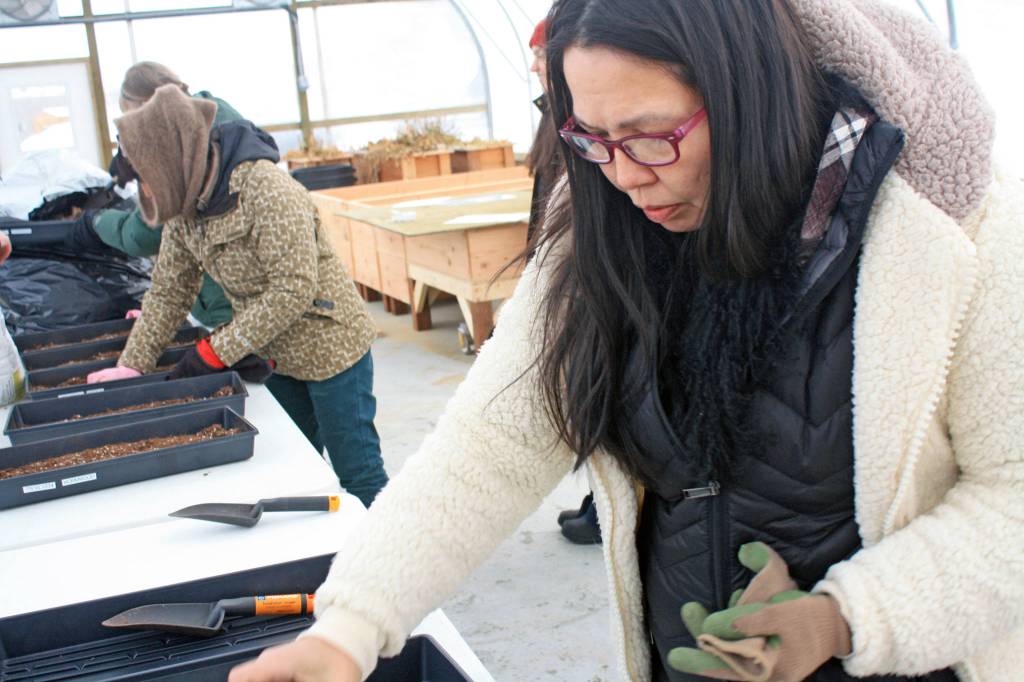
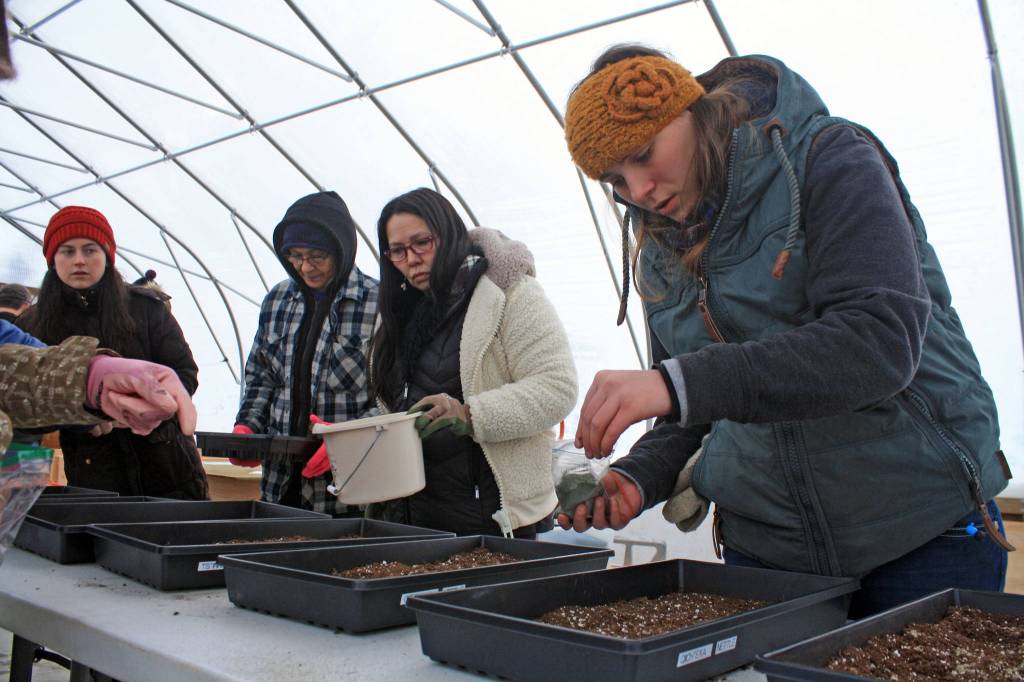

Along the sides of bluffs, on beaches and down roads — even tangled up in your own garden — are ingredients that have long been used by the Kenaitze people to make medicines, teas, tools and meals. The know-how for growing and harvesting these plants, however, is being lost in an ever urbanizing world, Tia Holley, a wellness consultant at the Dena’ina Wellness Center, said.
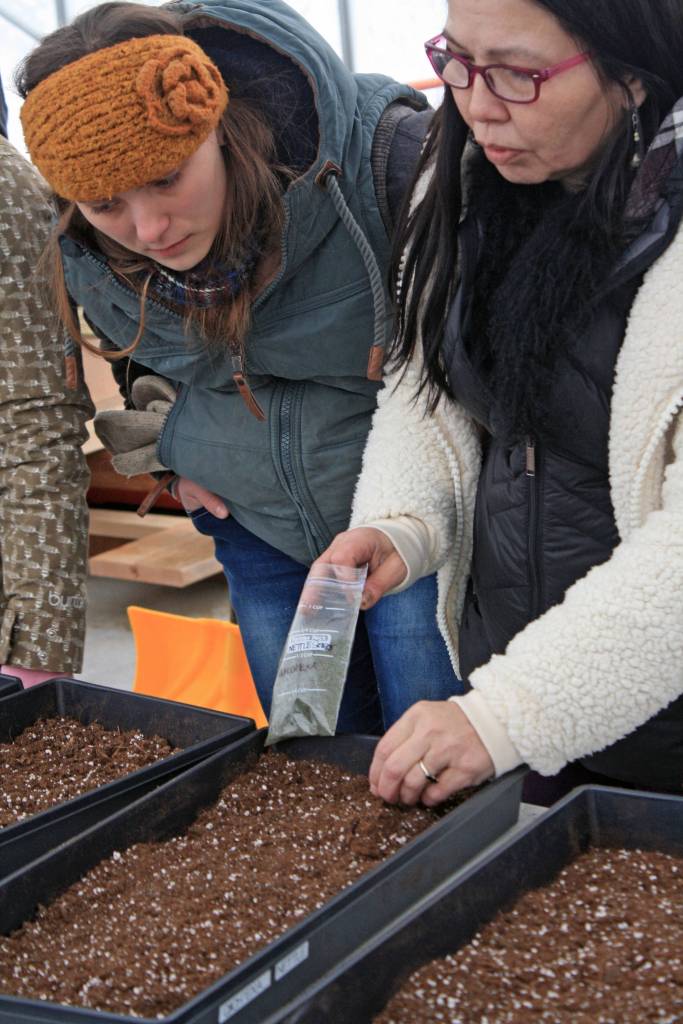
On Thursday, Holley guided a dozen members of the community through a hands-on demonstration of how to use traditional techniques to germinate seeds gathered locally, and explained some of the nutritional and healing properties of the plants. For example, ts’elveni, also known as wormwood or artemisia, has anti-inflammatory properties, and can be used as a poultice to help with skin problems or aches and pains. Qitch’exa, or stinging nettle, can also be used medicinally, and is also used to make teas, rope or can be added to soups.
Participants gathered inside the Dena’ina Wellness Center greenhouse and poured sand and dirt into shallow planters, then scattered the seeds of a half dozen local plants on top. Once the seeds had been placed on the loose soil, they took the planters outside and covered them with snow. The snow will help insulate the seeds as they grow, keeping them moist and preventing them from blowing away.
Jasmine Koster, a member of the Kenaitze Tribe, brought wild chive and bluebell seeds she had gathered in the wild last year. Koster has been working on a Dena’ina language revitalization project and shared a story written in Dena’ina about gathering and planting the seeds.
“I wanted to capture the essence of what we’re working on, so that we will know in the future what we did today,” Koster said.
Koster said she was raised around plants — her grandmother taught her how to garden — and wants to keep that knowledge alive for the next generation.
“It’s important to know where your food comes from and have an understanding of nutrition and biology — understanding how all the living things are growing and where they come from and how plants and animals are connected,” Koster said.
Once they begin growing, some of the seedlings will be transferred to taller planters, so elders can harvest and share their knowledge with younger generations.
“It’s vital to get that information and teach the youth that the plants that we can gather for food and medicine are really important,” Holley said.
Reach Erin Thompson at erin.thompson@peninsulaclrion.com.