Fire season begins, burn permits now required
Published 5:52 am Wednesday, April 1, 2015
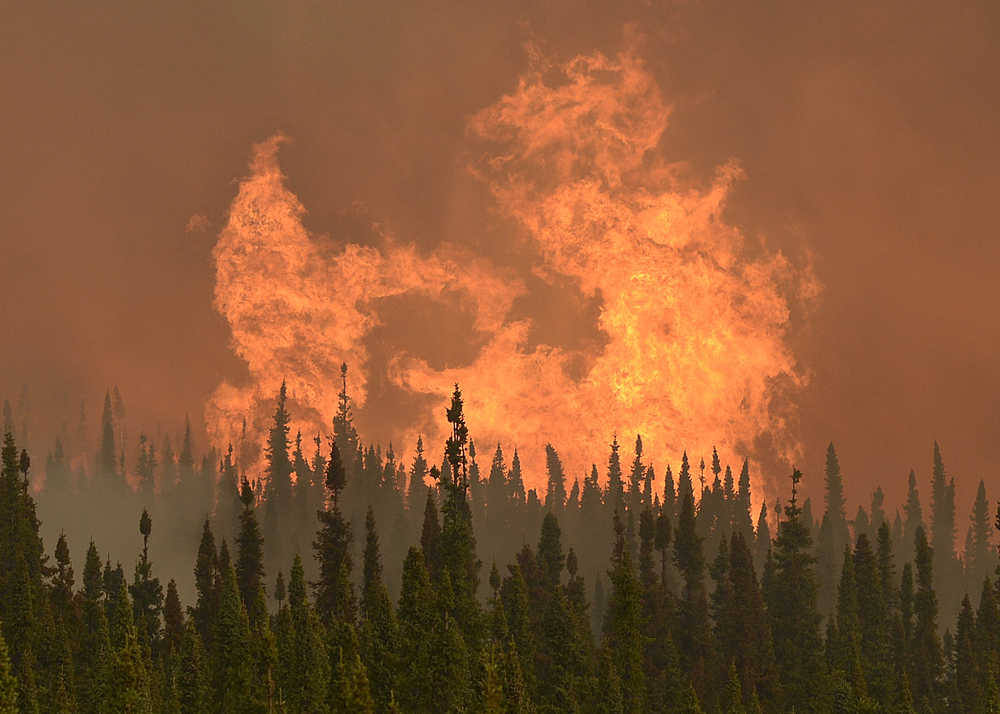
Following the start of Alaska’s official fire season on Wednesday, outdoor fire-starters will need permission to burn from state authorities. Burn permits, issued by the state Division of Forestry and valid for one year, are now required.
Permit holders will be allowed to light piles of debris up to four feet high and 10 feet in diameter, as well as one-acre fields with grass up to four inches high, on days when burning is allowed.
Burning larger piles or fields will require an inspection from Forestry Staff.
The free permits can be applied for online or in-person at a Division of Forestry office. In addition to the state permits, Kenai, Homer, Seward, and Kodiak require municipal burn permits for fires within city limits, which can be applied for at local fire stations.
Although the state permit is necessary only in summer, Kenai’s burn permit is required year-round.
The permits require holders to call a Division of Forestry information hotline or visit the Division’s website before burning in order to verify that the day is open for burning. Kenai permits also require holders to notify the Kenai fire department prior to a burn.
According to a press release from the Department of Forestry, 343 of the 393 wildfires reported in Alaska in 2014 were human-caused, including the Funny River fire that consumed approximately 200,000 acres of forest on the Kenai Peninsula. Kenai Fire Chief Jeff Tucker said that the permits make fire-users more conscious of their responsibilities.
“It’s more a proactive thing,” Tucker said. “It’s not a manner of penalizing folks, but a manner of making them aware.”
Campfires for cooking and warming do not require a burn permit. Neither do trash fires contained in barrels following the state’s approved design — covered with a metal screen and located on a 10-foot-diameter circle of cleared ground.
Burn permits will be required until August 31, although the fire season — and the permit requirement — may be extended through September if conditions are dry.
Reach Ben Boettger at ben.boettger@cmg-northwest2.go-vip.net/peninsulaclarion