
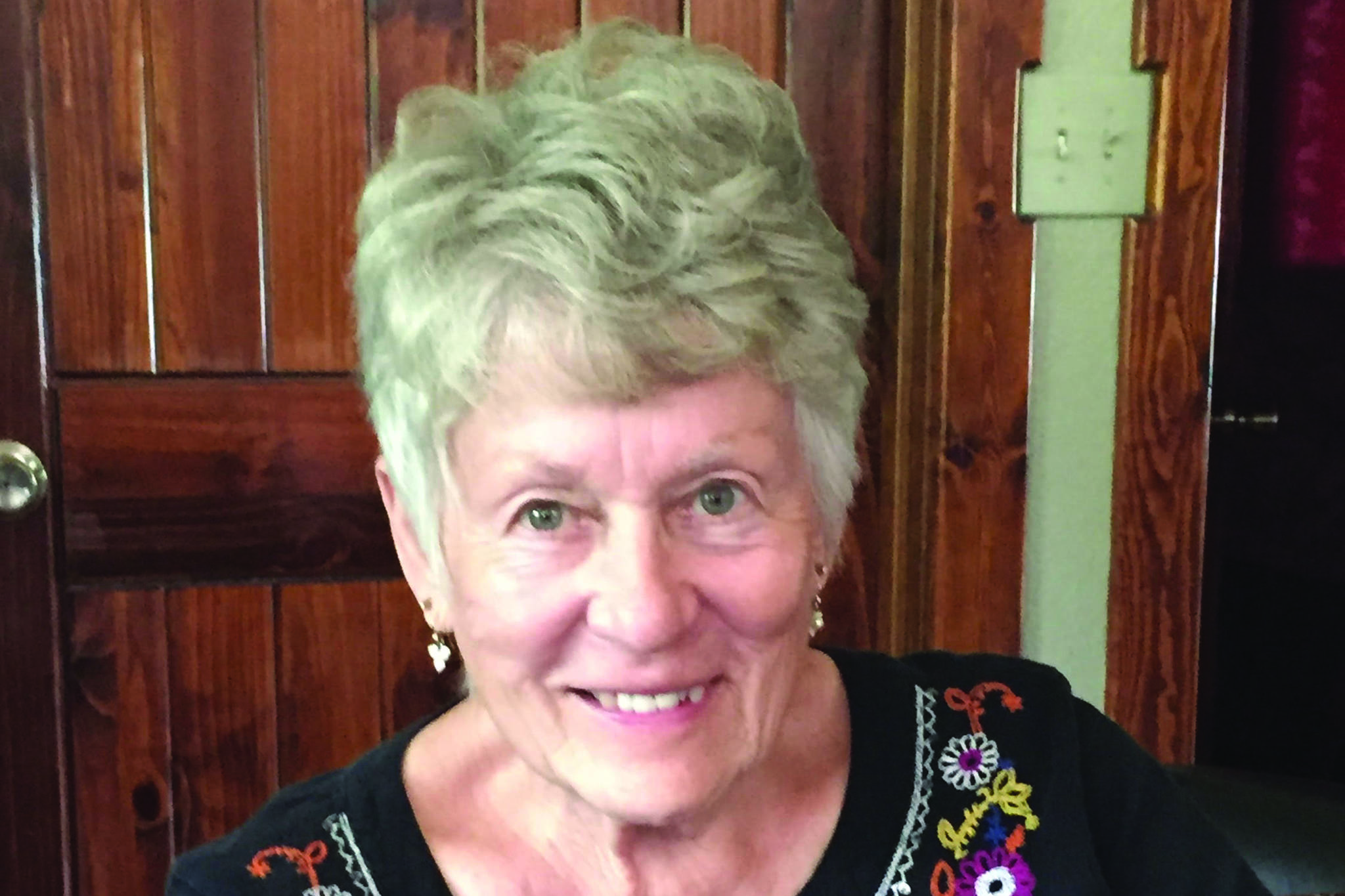
John Melvin McClure — “Grandpa John” and “Mr. McClure” in church — was born Feb. 15, 1914 in Kansas. Here are some memories I would like to share.
The first memory of his birthday was when I was about 10 years old in grade school at Cactus Hill Observatory District 101. We were studying American history and it happened to be Lincoln’s birthday, and of course we studied Washington’s birthday also. Knowing my mom was planning a birthday party for Dad on the 15th, and that she was making plans on what kind of cake she was going to bake, I spoke up in class.
“My dad is famous too, his birthday is the 15th.”
In my eyes he was just as important as the presidents. The teacher, Mr. Dean, never said a word. He was a kind man, so he just smiled.
When I told my dad that two presidents’ birthdays were close to his, he answered, “Of course, just famous people have birthdays in February.”
From then on I knew my dad was even more famous than I already thought!
He also has a granddaughter Kaylie Noble born on the 9th, grandsons Justin Bivens, born on the 12th, and Justin’s little brother Cody Bivens born on the 13th. Grandsons Ean McClure and Mitchell McClure also mark birthdays in February, on the 18th and the 20th, respectively. There are more grandsons and granddaughters whom my father equally loved, but he thought the February grandsons were as special as he was.
Dad worked hard on the farm and so did Mom. Dad turned his irrigation farm into a ranch and started building a herd of Shorthorn cattle, a breed of short stocky cattle originally from Scotland.
I just recently saw a program on RFDTV about Shorthorn Association and that Shorthorns were the No. 1 beef cattle in America. Dad started his Shorthorn herd in the 1950s and he would be so very proud now!
Soon the farm he worked so hard on became Shamrock Shorthorn Ranch. I painted the large, wooden shamrock-shaped sign.
I remember dad and my brother Sonny (now John Jr.) putting the sign on an iron stake with a swivel so the wind would not tear it up. Dad was so proud when it was finally finished. He stood back with pride, surveying his accomplishments. He eventually bought another farm and two ranches and became a true cattle rancher.
Dad worked closely with the “Aggies,” the Colorado Agriculture College in Fort Collins.
He landscaped the fields for more effective watering of the crops. He had a big dam built in the pasture so that he had a lake to water the fields and the cows. I am not sure of this but I think the lake turned out to be alkali water and was not usable.
Dad won top honors in the statewide soil conservation. He also took top honors for raising sugar beets.
Our family resided on that farm-ranch for 25 years, until 1955 when hail and bad weather ruined all the crops and damaged numerous buildings and equipment. This forced dad into retirement.
But then he purchased the John Deere dealership for northern Colorado, southern Wyoming and western Nebraska. It was very successful and Dad continued to see his farmer, rancher friends and told the amazing stories and funny jokes. He was very relaxed and happy and did not have to work so hard. He eventually developed the John Deere store into a large successful business.
This is one of the fond memories of our dad. Many more run around in my head. Create memories — you will be happy recalling them the rest of your life.
HALIBUT ENCHILADAS
1 can chopped chilies
½ green pepper — chopped
1 medium onion — chopped
1 pint of sour cream
2 cups cooked, flaked halibut — cooled
1 dozen flour tortillas
Mix the first five ingredients and roll the mixture into the tortillas. Place in and oiled 9 x 13 baking dish.
Pour over the top:
1 can tomato soup
Mixed with:
1 can mild enchilada sauce — red or green
Pour over tortillas in dish and top with grated cheddar cheese.
Bake at 375 F for 20 to 30 minutes.
NOTE: Add jalapenos if you want.
This is the best recipe to make ahead and refrigerate until about an hour before you want to serve it. I serve refried beans and a green salad with it.
HALIBUT HONEY-MUSTARD FINGERS
Partially thaw halibut fillets. Trim and cut into ½ x 2 inch strips. Set aside to thaw and drain. Prepare the honey-mustard dressing. Recipe says to prepare this the day before so the sauce can blend.
In a small bowl:
½ cup honey
¼ cup Dijon or mustard of your choice. I prefer the regular yellow mustard.
Stir and set aside with lid on — refrigerate.
In a medium bowl:
1 cup flour
½ teaspoon garlic salt
¼ teaspoon black pepper
Fluff with fork.
In a pie plate, pour:
¾ cup canned milk
Heat ¼ inch of oil in large skillet.* Heat to medium. Dip halibut fingers in milk and roll in the flour salt mixture. Place on waxed paper and finish dipping and rolling.
Place fish in hot oil a few at a time — do not overcrowd. Fry, turning once to brown both sides until nicely browned, about 2 minutes on each side. Place on towel-lined paper plate to drain. Finish frying. Place fish on platter lined with lettuce leaves. Drizzle honey-mustard over top of halibut fingers. Serve with napkins and a smile. OR serve honey-mustard as a dip. Another dip would be 2 tablespoons soy sauce mixed with ½ cup ketchup.
*NOTE you can use a deep fat fryer-goes faster.
ANGEL FOOD PINEAPPLE DESSERT
So simple, so fast, so good.
In a bowl:
1 package angel food cake mix
1 big can crushed pineapple
1 cup water
Mix and pour into a 9 x 13 dish and bake as the directions on the package. This is so simple and so good.
• By Ann “Grannie Annie” Berg
